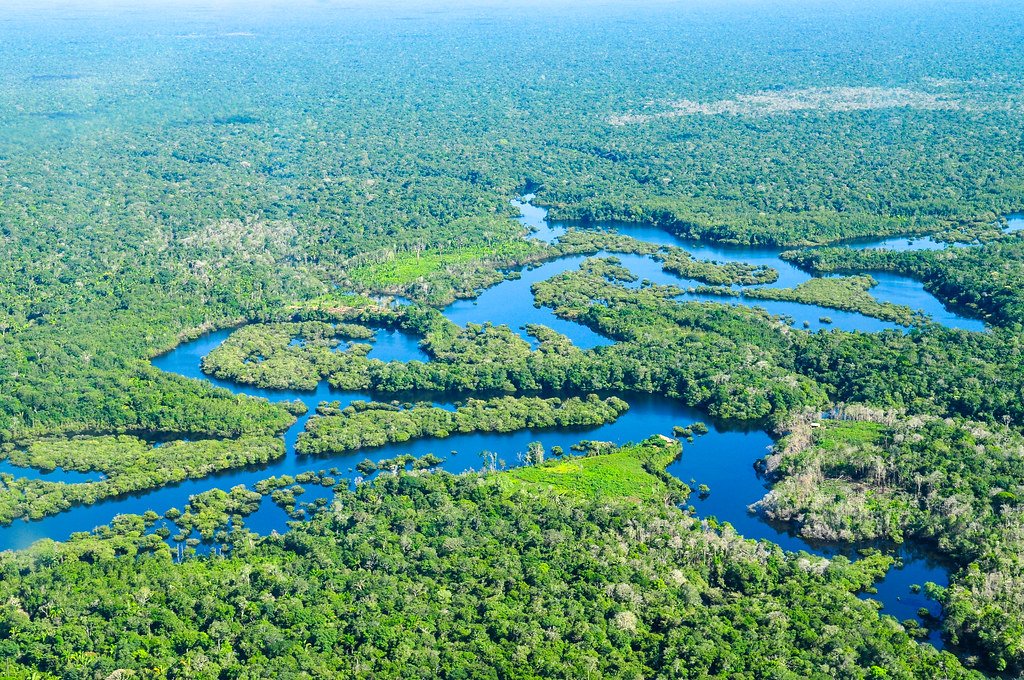
Travel often presents challenges that test not only physical endurance but also mental strength and adaptability. My journey into the Brazilian Amazon rainforest was a vivid example of this. The Amazon is the largest rainforest on Earth, teeming with life, mystery, and danger. While it promises breathtaking sights and unforgettable experiences, navigating this dense and unpredictable jungle also revealed critical lessons about survival, resilience, and respect for nature.
Preparing for the Amazon: Expectations vs. Reality
Before stepping into the rainforest, I spent weeks preparing. I researched local wildlife, packed lightweight but durable clothing, mosquito repellent, a water purification system, and survival gear. I expected a challenging yet manageable adventure.
Reality, however, was far more demanding. The Amazon’s dense vegetation, high humidity, and labyrinth of rivers and streams quickly became overwhelming. Even simple tasks, like walking through muddy trails or crossing streams, required caution and concentration. Preparation was essential, but I soon learned that flexibility and the ability to adapt to unforeseen circumstances were even more crucial.
Physical and Mental Challenges
The jungle environment tested my physical limits daily. Long hikes through uneven terrain, intense heat, and heavy rainfall made every step exhausting. My body ached from carrying supplies, and the constant humidity sapped my energy. Dehydration, insects, and the threat of encountering dangerous wildlife were ever-present reminders of the jungle’s harshness.
Mentally, the challenges were equally significant. The rainforest is vast and disorienting, with paths that often seem indistinguishable. The constant sounds of insects, birds, and distant animals created an atmosphere that was both enchanting and intimidating. I learned that mental endurance is as important as physical fitness. Staying calm, alert, and focused is vital when navigating such a complex ecosystem.
Learning Survival Skills from Locals
One of the most valuable aspects of my journey was learning from local guides and indigenous communities. These individuals have mastered the rainforest over generations. They taught me practical survival skills such as identifying edible plants, sourcing clean water, reading river currents, and understanding animal behavior.
Through these lessons, I realized that survival in the Amazon is not just about endurance—it is about observation, respect, and knowledge. The jungle rewards those who approach it with humility and attentiveness. This experience reinforced a universal travel lesson: challenges become opportunities when approached with openness and a willingness to learn.
Facing Extreme Weather Conditions
The Amazon’s weather is unpredictable. Torrential rainstorms can transform trails into rivers, while sudden heat waves can deplete energy quickly. During my journey, I encountered both extremes. I had to seek shelter quickly during a downpour and ration water and energy during periods of extreme humidity.
This taught me the importance of preparation paired with adaptability. Even the best-laid plans can be disrupted by nature, and success depends on the ability to stay calm, think critically, and adjust strategies. Travel challenges often mirror life challenges: they require patience, resourcefulness, and resilience.
Interactions with Wildlife
The Amazon is home to countless species, from brightly colored birds to jaguars and venomous snakes. While the jungle is beautiful, it is also unforgiving. Encounters with insects, snakes, and other creatures reminded me to respect the environment and follow guidance from experienced locals.
These interactions reinforced a key lesson: survival is about awareness and cautious respect. Understanding the ecosystem and coexisting with it rather than attempting to dominate it is essential. The jungle teaches humility and attentiveness—qualities that extend far beyond travel.
Lessons in Reflection and Resilience
Spending days in the dense forest with minimal modern conveniences offered time for reflection. The challenges of the Amazon—from physical exhaustion to navigating uncharted trails—mirrored life’s unpredictable nature. I learned to trust my instincts, remain adaptable, and value patience.
Moreover, I gained insight into human resilience. Observing how local communities thrive in this environment highlighted the power of knowledge, preparation, and community support. Survival is rarely an individual effort; it is enhanced by collaboration, shared wisdom, and mutual respect.
Conclusion
Exploring the Brazilian Amazon was an unforgettable journey that tested my physical endurance, mental fortitude, and adaptability. From navigating dense trails and unpredictable weather to learning survival skills from locals, every challenge became a lesson in resilience, humility, and respect for nature.
For those seeking a travel experience that pushes boundaries and teaches invaluable life lessons, the Amazon offers a unique classroom. Its challenges are not merely obstacles—they are opportunities for growth, learning, and self-discovery. By embracing the journey with patience, attentiveness, and an open mind, travelers gain insights that extend far beyond the rainforest.
The Amazon taught me that survival is not just about physical strength but also about observation, adaptability, and humility. Travel challenges, much like life’s obstacles, provide lessons that remain long after the journey ends.