From cascading waterfalls to breathtaking mountain scenery, Salalah in Oman has established itself as one of the most popular travel destinations in the Arabian Gulf. This region is a haven for nature lovers and adventure seekers alike, offering a perfect blend of natural beauty, cultural heritage, and unique travel experiences. With its rich history, diverse traditions, and a variety of activities to enjoy, Salalah is more than just a holiday spot—it’s an immersive journey into Omani life and landscapes.
In this guide, we will cover everything you need to know for planning your trip to Salalah, including the best time to visit, must-see attractions, hidden gems, bucket-list experiences, practical travel tips, and how to stay connected digitally during your journey.
Best Time to Visit Salalah
Khareef Season: July to September
The most enchanting time to experience Salalah is during Khareef season, which lasts from July to September. At this time, temperatures range pleasantly between 20°C and 25°C. Gentle monsoon rains transform the arid land into a lush paradise filled with wildflowers, flowing waterfalls, and vibrant greenery. This is also when local cultural festivals take place, making it the perfect opportunity to blend sightseeing with authentic traditions.
However, because Khareef attracts thousands of visitors, it is the busiest travel period in Salalah.
Off-Peak Season: September to December
If you wish to avoid crowds and save on flights and accommodation, the months between September and December provide an excellent alternative. The weather remains comfortable, the landscapes still retain much of their charm, and you can explore Salalah at a more relaxed pace.
Top Attractions in Salalah
Wadi Darbat Nature Reserve
One of Salalah’s most famous attractions, Wadi Darbat is a scenic valley about 40 kilometers north of the city. Known for its magnificent waterfalls, dense palm groves, and tranquil lakes, it is especially stunning during Khareef when seasonal waters cascade down from the mountains, reaching heights of up to 100 meters. Visitors can enjoy boat rides, kayaking, hiking trails, or simply soaking in the lush surroundings. Don’t forget to charge your camera—this spot is a photographer’s paradise.
The Ancient City of Samharam
Listed as a UNESCO World Heritage Site, Samharam (also called Khor Rori) was once a thriving port linking trade routes between the Mediterranean and India. Today, travelers can explore its ruins, stone inscriptions, and coins that date back more than 2,000 years. Walking through Samharam feels like stepping into the pages of history, revealing Oman’s role in global trade networks.
Frankincense Farms and the Frankincense Trail
Salalah is renowned for its frankincense, a natural resin valued since antiquity for its use in medicine, incense, and perfumes. Travelers can visit frankincense plantations to learn about its cultivation and importance to Oman’s economy and heritage. The historic Frankincense Trail, also recognized by UNESCO, includes archaeological sites such as Al-Baleed Archaeological Park, Sumhuram, Ubar (Shisr), and the Wadi Dawkah Frankincense Reserve. These sites showcase the trade legacy that once connected Oman to distant civilizations.
Mughsail Beach
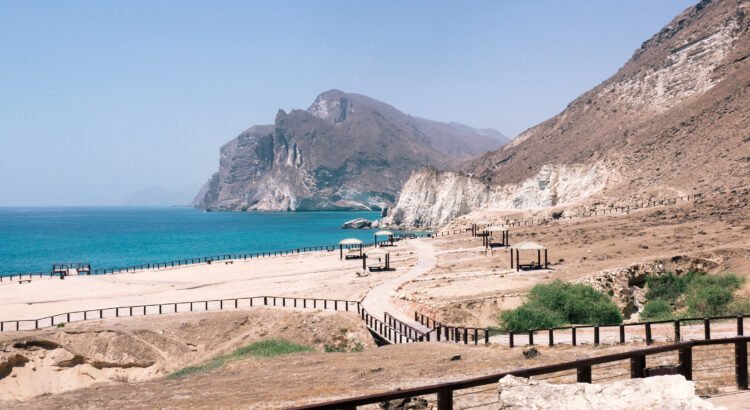
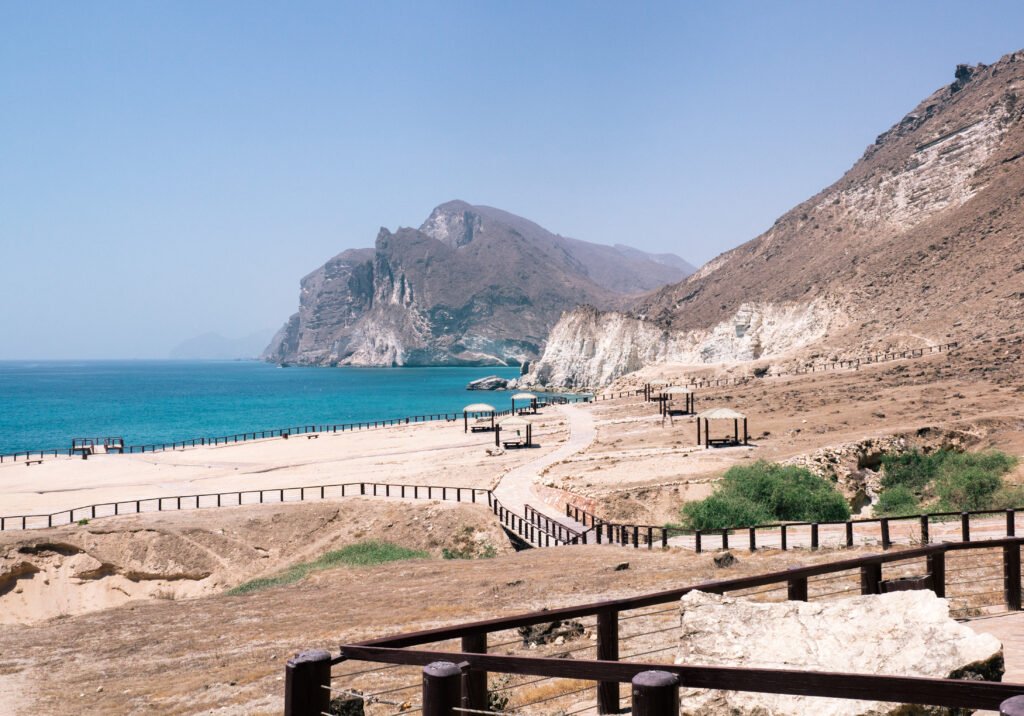
Among Salalah’s crown jewels, Mughsail Beach is internationally recognized as one of the world’s most beautiful coastlines. With its turquoise waters, pristine white sands, and dramatic cliffs, it is ideal for both relaxation and exploration. The beach also features stone bungalows where visitors can enjoy barbecues and stunning views, making it a perfect escape before continuing deeper into Salalah.
Al Marneef Cave and Blowholes
For adventure lovers, Al Marneef Cave and its nearby blowholes are a must-see. Located near Mughsail Beach, natural blowholes shoot water as high as 28 meters into the air, offering a thrilling display of nature’s power. A wooden bridge leads to the cave, allowing travelers to admire both the rugged coastline and the fascinating geological formations.
Hidden Gems of Salalah
Jabal Al-Qamar (The Moon Mountain)
For those seeking tranquility, Jabal Al-Qamar, or the Moon Mountain, offers dramatic views of the Arabian Sea and Indian Ocean. During spring and autumn, clouds hover near its peaks, giving travelers the magical sensation of walking above the skies.
Fazayah Beach
A quieter alternative to Mughsail, Fazayah Beach is ideal for visitors in spring or summer. Its calm waves, golden sands, and crystal-clear waters make it a hidden paradise perfect for swimming and relaxation.
Ain Razat Spring
About 30 kilometers east of Salalah, Ain Razat is considered one of the area’s most picturesque natural springs. Surrounded by gardens, water lilies, and walking paths, it is a favorite for family picnics and leisurely strolls.
Taqah Castle
Travelers interested in history should not miss Taqah Castle, a well-preserved 19th-century fortress that now functions as a museum. Located on a small hill, it offers scenic views of the surrounding mountains and coastline while showcasing traditional Omani artifacts.
Salalah Waterfalls
Salalah is home to several waterfalls that come alive during Khareef. Among the most famous are Ain Athum, Khor Waterfall, and Ain Kour, each offering unique scenic beauty and peaceful natural settings.
Bucket-List Experiences in Salalah
- Go diving and snorkeling in the clear Arabian waters.
- Visit the Salalah Museum to explore local history and culture.
- Wander through Al Hosn Souq, one of the city’s traditional markets, to shop for perfumes, frankincense, and handicrafts.
- Explore frankincense farms and the Frankincense Land Museum.
- Take a mountain tour of Jabal Samhan, home to rare wildlife and spectacular landscapes.
- Watch seagulls soaring above Mughsail Beach.
Travel Tips for Salalah, Oman
Currency
The local currency is the Omani Rial (OMR). While credit cards are widely accepted, it’s advisable to carry some cash for local shops and markets. ATMs are easily available in malls and tourist areas.
Power Outlets
Oman uses Type G plugs, with a standard voltage of 240V and a frequency of 50Hz. Travelers from other countries should bring an adapter.
Transportation
Getting around Salalah is easy with taxis, local buses, and car rentals. For exploring mountains and remote regions, a four-wheel-drive vehicle is highly recommended.
Staying Connected: Oman eSIM with Airalo
To stay connected during your trip, consider using an Oman eSIM from Airalo. An eSIM is a built-in digital SIM card that allows you to connect to mobile networks instantly without purchasing a physical SIM card.
Benefits include:
- Quick setup within minutes.
- Flexible data plans (local, regional, or global).
- No expensive roaming charges.
- Ability to store multiple plans on one device.
- Easy top-ups via the Airalo app.
Conclusion
Salalah is a destination that combines nature, history, and adventure in a way few places can match. From the greenery of Wadi Darbat to the serene waters of Fazayah Beach, from UNESCO-listed heritage sites to the scent of frankincense in local markets, Salalah promises unforgettable experiences for every traveler. Whether you visit during the bustling Khareef season or the quieter months afterward, this city in southern Oman is sure to leave lasting memories. With thoughtful planning, practical tips, and reliable connectivity, your journey to Salalah can be as enriching as it is exciting.