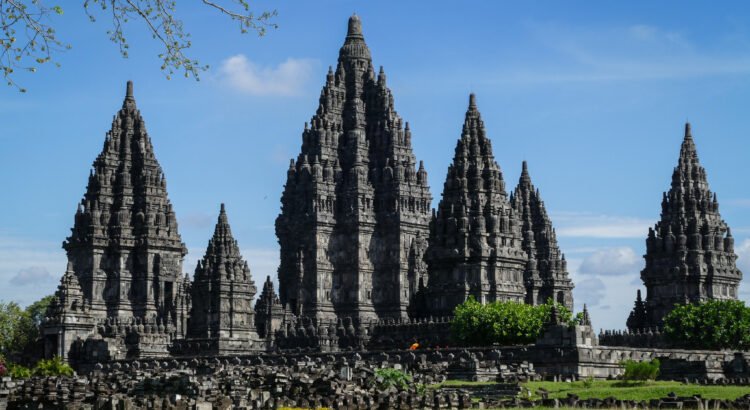
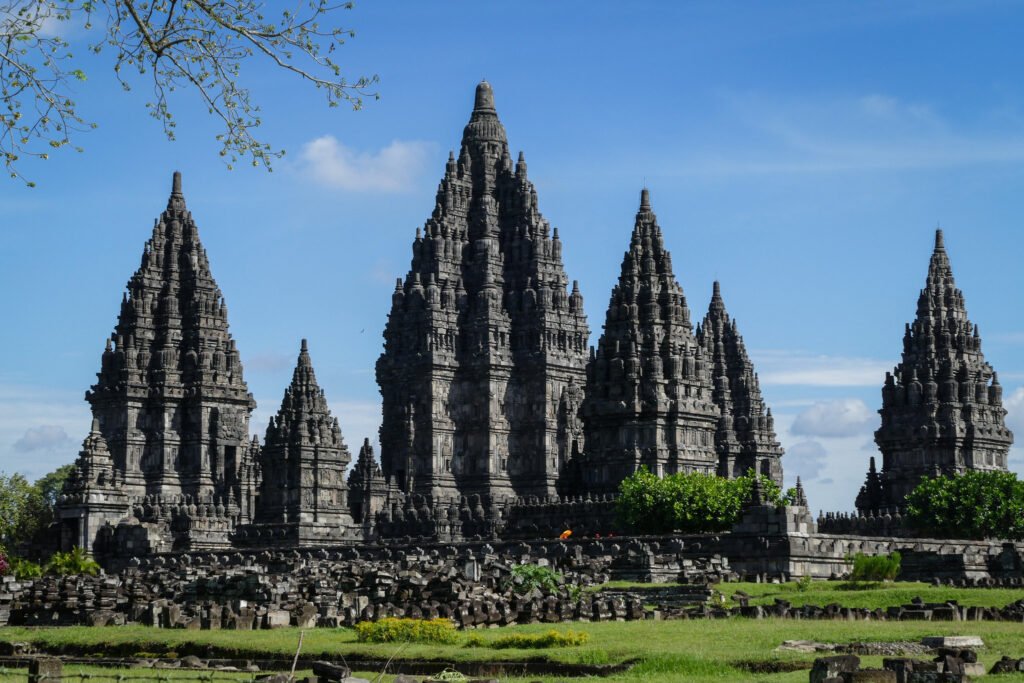
Are you planning a cultural getaway to Yogyakarta? If so, Prambanan Temple should be on your travel itinerary. Recognized as the largest Hindu temple complex in Indonesia, this historical landmark not only showcases ancient architecture but also serves as a center for cultural activities and performances. Visitors can immerse themselves in the grandeur of 9th-century Hindu architecture, explore detailed reliefs depicting the Ramayana epic, and enjoy traditional performances that bring history to life.
Situated on the border of Sleman, Yogyakarta, and Klaten, Central Java, Prambanan is a UNESCO World Heritage Site. Its towering spires, intricate carvings, and spiritual significance make it an essential destination for travelers interested in history, art, and culture.
Main Attractions of Prambanan Temple
The Hindu Temple Complex
Prambanan is dedicated to the Trimurti, the three principal Hindu gods: Brahma, Vishnu, and Shiva. The Shiva Temple stands tallest among the three, housing a majestic statue of Shiva Mahadeva. The layout of the complex follows a hierarchical structure with an outer courtyard, middle courtyard, and inner sanctum, surrounded by smaller temples, providing a comprehensive experience of Hindu temple architecture.
Ramayana Reliefs
One of the highlights of Prambanan is the series of Ramayana reliefs that adorn the temple walls. By walking clockwise around the main temple, visitors can read the detailed story of the legendary epic through its sculpted panels. These reliefs offer insight into the cultural and religious values of 9th-century Java, as well as the artistry of the period.
Ramayana Ballet Performance
Visitors can witness the Ramayana Ballet, a mesmerizing combination of dance and drama performed without dialogue against the backdrop of the temple. The performance interprets the classic story of Ramayana, accompanied by traditional gamelan music and elaborate costumes, creating an unforgettable cultural experience under the night sky.
UNESCO World Heritage Recognition
Prambanan’s recognition as a UNESCO World Heritage Site emphasizes its importance not only to Indonesia but to the global community. This status ensures the protection and preservation of the temple for future generations while highlighting its architectural and cultural significance.
Activities and Facilities
Touring the Temple Complex
Visitors can explore the entire temple complex, admiring statues, examining detailed reliefs, and learning about the mythology behind each sculpture. Guided tours are often available to provide deeper historical context and storytelling for those interested in comprehensive insights.
Visiting Prambanan Museum
The Prambanan Museum, located within the temple area, houses various artifacts and historical exhibits. Visitors can learn more about the temple’s construction, the ancient Javanese civilization, and religious practices associated with the site.
Exploring the Deer Sanctuary
Some areas of the temple complex also include a deer sanctuary, offering an additional attraction for families and children, where visitors can interact with nature while appreciating the temple’s serene environment.
Nearby Attractions
Ratu Boko Palace
Just 3 kilometers from Prambanan, Ratu Boko Palace provides panoramic sunset views over the temple complex. The ruins of this ancient palace offer a glimpse into royal life in Java, making it a perfect spot for history enthusiasts and photographers.
Plaosan Temple
Known as the “Twin Temples,” Plaosan is a Buddhist temple complex located only 1.5 kilometers from Prambanan. Its architecture combines Hindu and Buddhist elements, offering unique photo opportunities and a fascinating study of cultural fusion. Families can also enjoy activities such as cycling tours around the site.
Breksi Cliff (Tebing Breksi)
For nature and adventure lovers, Tebing Breksi is a stunning limestone cliff carved with intricate patterns. Visitors can hike short trails, enjoy views of Yogyakarta city, or engage in activities like batik workshops nearby. The site is particularly popular at sunrise and sunset for photography.
Umbul Sidomulyo Kalasan
This natural spring pool, located 3.8 km from Prambanan, is ideal for those seeking relaxation. Clear waters and tranquil surroundings make it perfect for family outings and a refreshing dip after exploring nearby temples.
Brayut Cultural Village
Brayut Village offers visitors an immersive cultural experience. Tourists can learn batik making, traditional farming, and gamelan music, gaining hands-on insight into traditional Javanese life.
Sewu Temple
Approximately 800 meters north of Prambanan, Candi Sewu is the second-largest Buddhist temple complex in Indonesia. Despite its name, meaning “thousand temples,” it consists of 249 individual temples. The serene environment allows for leisurely exploration and appreciation of ancient architecture.
Sambisari Temple
Located 7 kilometers from Prambanan, Sambisari Temple is unique for being situated 6.5 meters below ground level. Discovered accidentally in 1966, it has since been restored and offers a fascinating look into Javanese Hindu temple design.
Cultural Activities
Exploring the Prambanan Complex
A visit to Prambanan allows tourists to walk among ancient temples, learn Ramayana stories from reliefs, and visit the museum. As the sun sets, the temple grounds become bathed in golden light, enhancing the mystical atmosphere.
Enjoying Breksi Cliff Views
Climbing Tebing Breksi provides panoramic vistas of Yogyakarta, perfect for photography enthusiasts. The dramatic limestone formations and sweeping cityscape make this site a favorite for both casual visitors and adventurers.
Engaging with Local Culture at Brayut Village
Visitors can experience authentic Javanese culture through batik workshops, dance lessons, and gamelan practice, offering deeper cultural understanding and a hands-on connection to local traditions.
Watching the Ramayana Ballet
The evening Ramayana Ballet performance at Prambanan offers an unparalleled cultural experience. With traditional dance, music, and dramatic storytelling, the performance against the temple backdrop leaves lasting memories for all attendees.
Dining and Accommodation
After exploring, visitors can enjoy Javanese cuisine at local restaurants like Abhayagiri Restaurant, which offers meals with stunning views of the temple and surrounding hills. For lodging, options range from traditional homestays such as Homestay Sambi to luxury resorts like Poeri Devata Resort Hotel and Amata Borobudur Resort, accommodating various preferences and budgets.
Getting to Prambanan
Prambanan is conveniently accessible from Yogyakarta via multiple transportation options:
- Trans Jogja Bus: Affordable and practical, with routes directly to Prambanan.
- Online Taxi or Rental Car: Offers flexibility and convenience for visiting multiple sites in one day.
- From Yogyakarta International Airport: Options include Damri buses, taxis, or private car rentals for easy access to the temple.
With these choices, reaching Prambanan is both comfortable and straightforward, allowing visitors to focus on exploring the temple and nearby attractions.
Conclusion
Prambanan Temple is more than a historical site; it is a cultural and architectural masterpiece. From its magnificent Hindu temples and detailed Ramayana reliefs to immersive cultural performances and nearby heritage sites, Prambanan offers a comprehensive experience of Indonesia’s past and present.
Whether exploring ancient architecture, enjoying local cultural workshops, or watching the Ramayana Ballet, a visit to Prambanan ensures a memorable and enriching journey, blending history, culture, and natural beauty in one spectacular destination.