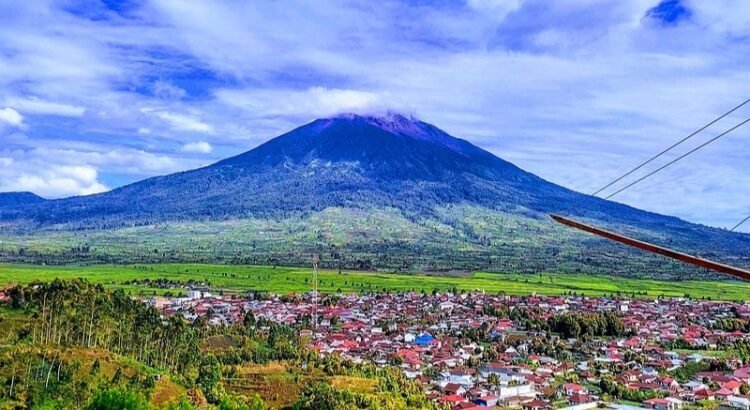
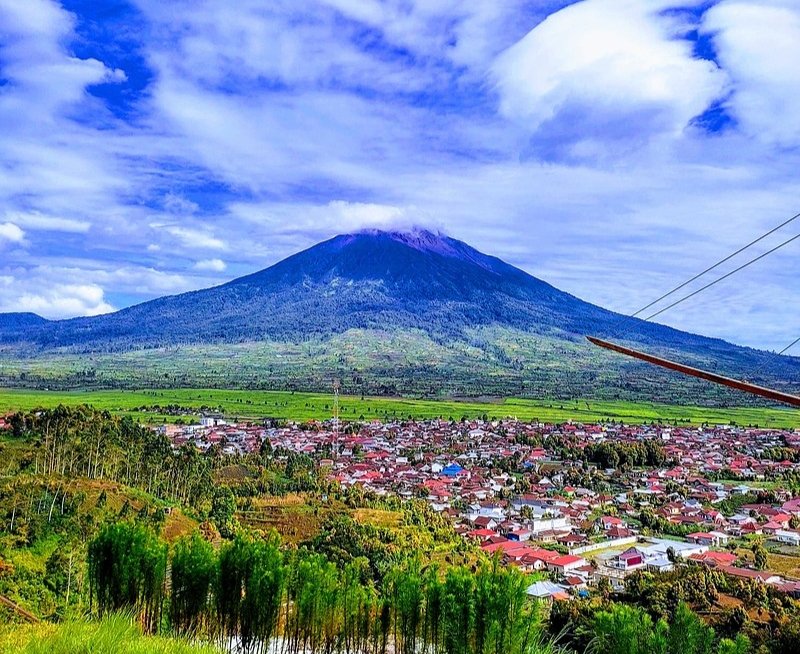
Mount Kerinci, towering at 3,805 meters above sea level, is not only the highest peak on the island of Sumatra but also the second-highest mountain in Indonesia. Known for its breathtaking landscapes and rich biodiversity, the mountain serves as a habitat for endangered species such as Sumatran tigers and rhinos. Its volcanic crater spans 400 by 120 meters, with a striking green pool at its center. As an active stratovolcano, Mount Kerinci remains a destination that draws both nature enthusiasts and experienced climbers eager to witness its natural splendor and challenge themselves on its slopes.
From its summit, climbers can enjoy panoramic views encompassing Jambi, Padang, and Bengkulu, as well as glimpses of the Indian Ocean. On the eastern slopes lies Rawa Bento, the highest clear-water swamp in Sumatra, adding to the mountain’s unique features and ecological significance.
Location and Significance
Mount Kerinci is situated on the border between Jambi Province and West Sumatra’s South Solok Regency, forming part of the Bukit Barisan mountain range. This region marks the cultural boundary between the Kerinci people and the Minangkabau ethnic group. Surrounding the mountain is the Kerinci Seblat National Park (TNKS), covering an impressive 1,484,650 hectares.
TNKS, recognized as a UNESCO World Heritage site under “The Tropical Rainforest Heritage of Sumatra” since 2006, spans four provinces, though most of it lies within Jambi. The park conserves rich flora and fauna while providing climbers with scenic trekking routes. For visitors, Mount Kerinci offers unparalleled vistas of nearby cities and the surrounding natural landscapes, making it a must-visit destination for adventurers and hikers alike.
Climbing Routes
1. Kerinci Ascent via Kersik Tuo
The Kersik Tuo route is the most popular and widely recommended path for climbers. Starting from Kayu Aro District in Kerinci Regency, this trail is relatively gradual, making it suitable for beginners or those seeking a moderately challenging climb. The trek typically takes 11 to 13 hours to reach the summit, passing through six key points:
- Post 1: 1,890 meters above sea level
- Post 2: 2,010 meters above sea level
- Post 3: 2,225 meters above sea level
- Shelter 1: 2,505 meters above sea level
- Shelter 2: 3,056 meters above sea level
- Yuda Monument: A significant landmark near the summit
- Summit of Mount Kerinci: 3,805 meters above sea level
This route, with its multiple checkpoints, allows climbers to pace themselves and fully appreciate the lush surroundings, including tropical forests, volcanic craters, and sweeping landscapes.
2. Kerinci Ascent via South Solok
The South Solok route begins from West Sumatra and is less frequented due to its steep, hazardous terrain. This trail is more physically demanding and takes longer to reach the Yuda Monument before arriving at the summit. Additionally, the path traverses a sensitive ecological area that is home to turtles, making it crucial to minimize environmental impact.
Due to its challenging nature, this route is generally recommended for experienced climbers who are prepared for higher risks and more rigorous conditions.
Important Considerations Before the Climb
Before attempting Mount Kerinci, climbers must adhere to certain regulations and prepare adequately:
- Notify authorities of your intended climbing date and expected return
- Register at the entrance and submit identification and a health certificate
- Hire official guides and porters if required, with limits on the number of climbers per guide and the load per porter
- Follow the designated trail and climbing hours (06:00–17:00 WIB)
- Carry proper climbing equipment and sufficient provisions
- Use trash bags and remove all waste from the park
- Take full responsibility for personal safety
Beyond regulations, climbers should respect local myths and cultural beliefs associated with the mountain.
- Tiger-human spirits (Cindaku): Mythical beings believed to transform into tigers when angered
- 12-hour rule: Stories of a white-clad woman appearing near the 1,800-meter mark
- Uhang Pandak: A small, human-like creature described in historical accounts
- Hollow tree: A notable landmark between Post 3 and Shelter 1 where climbers are advised not to stop for meals or photos
Understanding these legends enriches the climbing experience and demonstrates respect for local traditions.
Mount Kerinci Climbing Tips
1. Prepare Physically
Physical fitness is essential for a successful ascent. Climbers should engage in cardiovascular exercises, strengthen leg muscles, and maintain overall stamina. Proper sleep and nutrition also ensure that the body can endure long uphill treks while carrying gear.
2. Familiarize Yourself with the Route
Knowing the trail is vital for safety. Identify areas that are steep, slippery, or challenging, and ensure you have a reliable map. Being informed prevents accidents and helps in navigation, particularly in unfamiliar terrain.
3. Wear Suitable Clothing
Clothing should be lightweight, moisture-wicking, and quick-drying to maintain comfort during long hikes. Layered, warm clothing is necessary to avoid hypothermia at higher altitudes. Durable hiking boots are essential to protect feet from blisters and provide traction on varied terrain.
4. Pack Essentials Only
Minimize load by carrying only necessary items: clothing, food, water, tent, sleeping mat, hiking gear, navigation tools, and medical supplies. An efficiently packed backpack ensures easier mobility and reduces fatigue during the climb.
5. Follow Instructions and Regulations
Always register before the climb and adhere to guidelines from park authorities. Observing these rules maximizes safety and protects the natural environment. Compliance ensures a smoother, safer experience while preserving Mount Kerinci for future adventurers.
Conclusion
Mount Kerinci stands as one of Indonesia’s most iconic peaks, offering a blend of challenging climbs, breathtaking scenery, and rich biodiversity. Whether ascending via the popular Kersik Tuo route or the more demanding South Solok trail, climbers are rewarded with unparalleled vistas of Sumatra’s landscapes and a chance to connect with nature. Success on Mount Kerinci requires careful preparation, physical readiness, and respect for both local culture and environmental conservation. For those who embrace the challenge, Mount Kerinci delivers a memorable adventure that is both exhilarating and deeply enriching, making it a must-visit for hikers and mountaineers in Indonesia.