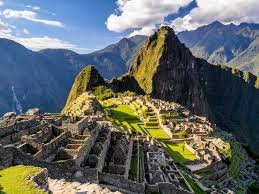
Nestled high in the Andes Mountains of Peru, Machu Picchu stands as one of the world’s most extraordinary archaeological sites and is proudly recognized as one of the New Seven Wonders of the World. This awe-inspiring citadel, often called the “Lost City of the Incas,” continues to attract millions of travelers each year who wish to witness its mysterious beauty, rich history, and breathtaking surroundings. For centuries, the site remained hidden from the world until its rediscovery in the early 20th century. Today, Machu Picchu is not only a UNESCO World Heritage Site but also a symbol of Inca ingenuity, spiritual significance, and resilience.
In this article, we will explore the fascinating history behind Machu Picchu, highlight some of the must-see attractions within the citadel, discuss ticket costs, and provide essential tips for visitors planning to embark on this unforgettable journey.
The History of Machu Picchu
Origins in the Inca Empire
Machu Picchu was built during the 15th century under the reign of the Inca emperor Pachacuti. It is believed to have served as a royal estate or a sacred religious site, although its exact purpose remains a subject of debate among historians. Situated approximately 2,430 meters (7,970 feet) above sea level, the citadel’s location was both strategic and spiritual, overlooking the Sacred Valley with commanding views of the surrounding peaks.
Abandonment and Rediscovery
After flourishing for only about a century, Machu Picchu was abandoned around the time of the Spanish conquest of South America in the 16th century. Interestingly, Spanish conquerors never discovered the site, which contributed to its preservation. For nearly 400 years, the citadel was largely forgotten until 1911, when American explorer and historian Hiram Bingham, guided by local farmers, brought the site to international attention.
What Bingham encountered was a city remarkably well preserved, with many of its structures intact despite centuries of exposure to the elements. His rediscovery sparked global interest and academic study, transforming Machu Picchu into the cultural treasure it is today.
Attractions in Machu Picchu
Visiting Machu Picchu is like stepping into a living museum where every stone and pathway tells a story. Among the numerous highlights, a few stand out as must-see landmarks within the site.
Intihuatana Stone
The Intihuatana, often referred to as the “Hitching Post of the Sun,” is a carved granite stone thought to have served as an astronomical clock or calendar. The Incas likely used it to observe celestial movements and mark seasonal changes, underscoring their deep connection with nature and the cosmos.
The Temple of the Sun
This semi-circular structure is one of the most sacred temples within the citadel. Archaeologists believe it was used for ritual sacrifices and solar observations. Its finely crafted stonework demonstrates the Incas’ advanced architectural skills and their ability to align structures with astronomical events.
Temple of the Three Windows
Overlooking the mountains, the Temple of the Three Windows offers both stunning views and spiritual significance. The three trapezoidal windows are said to symbolize the Incan trilogy of the heavens, earth, and underworld. Standing in this temple, visitors can imagine the spiritual ceremonies once held here.
Sacred Plaza
Located at the heart of Machu Picchu, the Sacred Plaza was likely a gathering space for important ceremonies and rituals. Surrounded by remarkable stonework, it remains one of the most atmospheric locations within the site, where visitors can sense the vibrancy of Inca civilization.
Ticket Prices for Machu Picchu
Visiting Machu Picchu requires purchasing tickets in advance, and prices vary depending on nationality, age, and type of access.
- General admission for foreign adults: Typically ranges from $70 to $80 USD per person.
- Peak season rates: During the busy months, such as June through August, prices can increase and tickets often sell out quickly.
- Additional access: Tickets that include climbs to Huayna Picchu or Machu Picchu Mountain generally cost extra, but they reward travelers with panoramic views of the site and surrounding valleys.
It is important to note that tickets are limited each day to preserve the site and reduce overcrowding. Booking several weeks—or even months—in advance is highly recommended, especially during high season.
Travel Tips for Visiting Machu Picchu
To ensure a smooth and enjoyable trip, visitors should prepare carefully before setting out to Machu Picchu.
Do Your Research
Familiarize yourself with the history and layout of Machu Picchu before arriving. This background knowledge will enrich your experience, allowing you to appreciate the significance of the ruins beyond their aesthetic beauty.
Choose the Right Season
The dry season, from May to September, is the most favorable time to visit. Clear skies and stable weather provide excellent visibility for exploring the site. However, this is also the busiest period, so expect more crowds.
Prepare Physically
Machu Picchu involves steep climbs, uneven stone steps, and plenty of walking. Prior to your trip, engage in physical exercise to build stamina. Comfortable hiking shoes are essential, along with clothing suitable for changing mountain weather.
Hire a Local Guide
Although exploring independently is possible, a licensed guide can provide invaluable insights into Inca culture, history, and the significance of different structures. Guides also share practical advice to help you navigate the site more efficiently.
Pack Essentials
Bring items such as bottled water, snacks, sunscreen, sunglasses, a hat, and a camera. These small necessities can greatly improve your comfort and allow you to focus on the experience rather than logistical challenges.
Follow the Rules
Respect the preservation of Machu Picchu by adhering to all site regulations. Do not litter, climb on restricted ruins, or damage the ancient stonework. Responsible tourism ensures that future generations can continue to marvel at this wonder.
Enjoy the Moment
While it may be tempting to document every angle with photos, remember to pause, breathe, and take in the magic of Machu Picchu. Sometimes, the most memorable part of the trip is simply being present in the moment.
Conclusion
Machu Picchu is far more than a breathtaking archaeological site—it is a living testament to the brilliance of Inca civilization and their deep relationship with nature and spirituality. From its mysterious history and architectural wonders to the captivating landscapes of the Andes, this destination offers an experience like no other.
Whether you are drawn to its history, spiritual aura, or simply the adventure of standing among the clouds, visiting Machu Picchu is a journey that stays with you forever. By preparing wisely, respecting the site, and embracing every moment, travelers can ensure an unforgettable and meaningful encounter with one of the world’s most cherished wonders.