
Among the many fascinating destinations in South Korea, Jeju Island stands out as a crown jewel. Known fondly as the “Island of the Gods,” Jeju is celebrated for its breathtaking natural landscapes, vibrant cultural traditions, and unique culinary treasures. For travelers from Indonesia and beyond, Jeju has become a favorite getaway spot that blends relaxation, adventure, and discovery all in one.
This guide will walk you through everything you need to know before visiting Jeju Island—from travel preparations and the best seasons to visit, to must-see attractions and practical tips. Whether you’re a first-time traveler or returning for another adventure, Jeju promises unforgettable memories.
The Stunning Natural Beauty of Jeju Island
Hallasan Mountain: The Pride of Jeju
At the heart of Jeju lies Hallasan Mountain, the tallest peak in South Korea. This dormant volcano offers multiple hiking trails suitable for varying skill levels. Adventurers who reach the summit are rewarded with panoramic views that stretch across the island and out to the sea. Beyond its scenic trails, Hallasan is also home to rare flora and fauna, making it a paradise for nature enthusiasts and photographers alike.
Exotic Beaches of Jeju
No trip to Jeju is complete without a visit to its pristine beaches. Each coastline offers its own distinct charm:
- Jungmun Beach: Famous for its fine sand and clear blue waters, perfect for sunbathing and water sports.
- Hyeopjae Beach: Known for its turquoise waters and coral reefs, making it a favorite for snorkeling.
- Hamdeok Beach: A family-friendly spot with shallow waters ideal for children to play and swim.
These beaches provide both relaxation and adventure, depending on how you choose to enjoy them.
Volcanic Wonders and Rock Formations
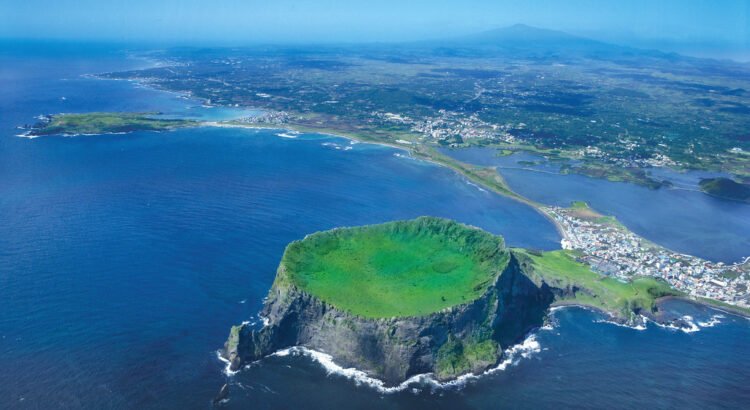
As a volcanic island, Jeju boasts a geological landscape unlike any other. Seongsan Ilchulbong, also known as Sunrise Peak, is a volcanic crater that offers one of the most breathtaking sunrise views in Korea. Another marvel is the Jusangjeolli Cliffs, where dramatic hexagonal basalt columns tower over crashing waves—an awe-inspiring reminder of Jeju’s volcanic past.
Preparing for Your Trip to Jeju
Visa and Travel Documents
For Indonesian travelers, Jeju often offers a visa-free entry policy for short stays. However, always double-check the latest requirements before departure. Make sure your passport is valid for at least six months to avoid any issues at immigration.
Language Tips
While English is understood in popular tourist areas, learning a few simple Korean phrases can greatly enrich your experience. A friendly “Annyeonghaseyo” (hello) or “Gamsahamnida” (thank you) goes a long way in connecting with locals.
Weather and Seasons
Jeju enjoys four distinct seasons, and each offers a unique experience:
- Spring (March–May): The island transforms into a floral wonderland with blooming cherry blossoms and fields of golden canola flowers.
- Summer (June–August): Ideal for beach activities, though this is also the busiest tourist season.
- Autumn (September–November): A favorite among visitors, when the island glows with red and golden foliage.
- Winter (December–February): A quieter season, perfect for enjoying hot springs and winter festivals.
Top Activities to Enjoy in Jeju
Natural Adventures
Hiking Hallasan
For active travelers, hiking up Hallasan is a highlight. With well-marked trails and varying levels of difficulty, it’s a rewarding activity whether you make it to the summit or simply enjoy the lower slopes.
Exploring Manjanggul Cave
This UNESCO World Heritage Site is one of the world’s longest lava tubes. Walking inside its dark, cool tunnels offers a glimpse into Jeju’s volcanic origins and geological wonders.
Visiting Cheonjiyeon Waterfall
Jeju is home to many waterfalls, but Cheonjiyeon is especially captivating. Surrounded by lush greenery, the waterfall cascades into a serene pool, creating a perfect backdrop for relaxation and photography.
Cultural Experiences
Jeju Folk Village Museum
Travel back in time at the Jeju Folk Village Museum, where traditional thatched-roof houses and cultural exhibits illustrate life during Korea’s past dynasties. It’s a hands-on way to learn about local customs and history.
Nanta Show
For a modern twist on culture, catch the Nanta Show—a dynamic non-verbal performance that blends comedy, drumming, and cooking in a high-energy spectacle loved by audiences of all ages.
Culinary Delights
Black Pork BBQ
Jeju’s most famous dish is its black pork barbecue. Known for its rich flavor and tender texture, it’s often grilled over charcoal and enjoyed with fresh side dishes.
Jeju Oranges and Green Tea
The island is also renowned for its sweet tangerines and high-quality green tea. Both are must-try items and also make excellent souvenirs to bring home.
Unique Attractions
Jeju Love Land
An unusual yet fascinating destination, Jeju Love Land is an outdoor sculpture park with an adult theme. Playful and artistic, it showcases the island’s creative side in an unconventional way.
Teddy Bear Museum
A lighter attraction, the Teddy Bear Museum delights both children and adults with its vast collection of teddy bears from around the world—some dressed in elaborate costumes that reflect different cultures and eras.
Travel Tips for Exploring Jeju
- Rent a Car or Scooter: Public transportation is available but limited. Renting a vehicle allows greater freedom to explore hidden corners of the island.
- Use a T-Money Card: This rechargeable card makes paying for buses and taxis more convenient.
- Stay in a Hanok: For a deeper cultural experience, consider staying in a traditional Korean house, or hanok, to enjoy authentic local hospitality.
Conclusion
Jeju Island is more than just a travel destination—it’s a complete experience blending natural beauty, cultural richness, and culinary pleasures. From climbing the majestic Hallasan Mountain and strolling along exotic beaches, to savoring unique local dishes and exploring cultural landmarks, every moment on Jeju feels like stepping into a living postcard.
For Indonesian travelers and global visitors alike, Jeju’s charm lies in its diversity. With careful planning and an adventurous spirit, a trip to this enchanting “Island of the Gods” promises not just a holiday, but memories that last a lifetime.