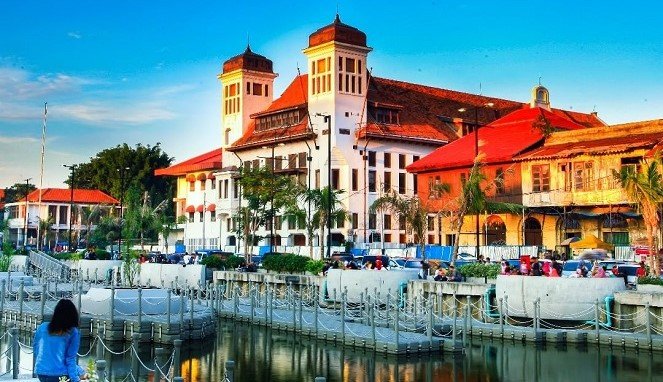
Jakarta’s Old Town, locally known as Kota Tua, stands as a captivating destination for travelers interested in history and culture. Every corner of this historic area tells a story, transporting visitors to the colonial era through its preserved buildings, cobblestone streets, and museum exhibits. A visit to Kota Tua offers more than just sightseeing—it provides an immersive educational experience for anyone eager to understand Jakarta’s rich past.
With its collection of Dutch colonial architecture and museums, Kota Tua is one of Jakarta’s most iconic tourist destinations. The area combines historical insights with cultural activities, making it a must-visit spot for both domestic and international travelers seeking a unique and enriching experience.
Location and Accessibility
Where is Jakarta’s Old Town?
Kota Tua is situated in the Taman Sari district of West Jakarta, making it easily accessible via multiple public transportation options. Visitors can reach the area using TransJakarta buses, KRL Commuter Line, or the MRT Jakarta, providing convenient connections from different parts of the city.
Historical Background
Origins of Kota Tua
Kota Tua, also known historically as Oud Batavia or Old Batavia, traces its roots back to 1526. During this time, the Demak Kingdom sent a commander named Fatahillah to conquer Sunda Kelapa Port, successfully taking control and renaming the region Jayakarta.
However, in 1619, the Dutch East India Company (VOC) led by Jan Pieterszoon Coen seized the territory, establishing a new city over the ruins of Jayakarta and naming it Batavia in honor of their ancestors, the Batavieren. By 1635, Batavia expanded westward along the Ciliwung River, fortified with canals and walls, becoming a key trade hub in Asia and the VOC’s headquarters in the East Indies.
During Japanese occupation in 1942, the city was renamed Jakarta, marking another chapter in its complex history. Later, under Governor Ali Sadikin, revitalization efforts began, culminating in the 1972 designation of Kota Tua as a heritage site, ensuring the preservation of its colonial architecture and cultural landmarks.
Must-Visit Attractions in Kota Tua
Museums and Cultural Sites
Museum Fatahillah
The centerpiece of Kota Tua is Museum Fatahillah, housed in a former city hall that once served as a courthouse and included a prison. The museum contains artifacts from the Dutch colonial period and is a favorite spot for photography enthusiasts. Previously known as Museum Batavia, it remains an essential destination for anyone exploring Jakarta’s historical heritage.
Museum Wayang
Dedicated to traditional Indonesian puppetry, Museum Wayang displays over 4,000 collections of wayang from across the archipelago. Visitors can learn about wayang kulit, golek, cardboard, grass, janur puppets, masks, and gamelan instruments, as well as puppets from other countries like England, Russia, and Thailand. The museum also houses the tomb of Jan Pieterszoon Coen, offering a blend of history and art in one location.
Museum of Fine Arts and Ceramics
This museum showcases Indonesian and international art, including paintings, sculptures, sketches, and ceramics. It provides insight into both local artistic traditions and global influences, enriching the cultural experience of visitors exploring Kota Tua.
Parks and Public Spaces
Taman Fatahillah
Taman Fatahillah is a central gathering spot in Kota Tua, offering benches, open spaces for children, and a relaxed atmosphere for leisure. Street vendors sell local foods and drinks, allowing visitors to savor Jakarta’s traditional flavors while enjoying the historic surroundings.
Historic Architecture
Museum Bank Indonesia
Established in 1828 as De Javasche Bank, the Bank Indonesia Museum presents the evolution of banking in Indonesia, highlighting colonial-era architecture and offering visitors the chance to capture memorable photographs of the building’s historic facade.
Museum Bahari
Located near Sunda Kelapa Port, Museum Bahari celebrates Indonesia’s maritime heritage. The museum features traditional boats used during the VOC era, marine life exhibits, and information about Indonesia’s fishery distribution. Historically, this site functioned as a warehouse for agricultural and maritime goods.
Toko Merah
One of the oldest buildings in Kota Tua, Toko Merah, is renowned for its striking red exterior and Dutch colonial architecture. While it is occasionally used for art exhibitions, conferences, and performances, visitors can admire its beauty from outside and take aesthetically pleasing photographs.
Activities in Kota Tua
Visitors to Kota Tua can engage in a variety of activities:
- Explore Museums: Delve into history and culture at Museum Fatahillah, Museum Wayang, and other heritage sites.
- Ride a Vintage Bicycle: Experience the colonial architecture while cycling around the historic streets.
- Watch Cultural Performances: Outdoor performances and exhibitions often showcase traditional music, dance, and theatrical arts.
- Shop for Souvenirs: Purchase handicrafts and local products from shops and street vendors.
- Savor Local Cuisine: Enjoy Jakarta’s traditional dishes at nearby eateries and food stalls, blending culinary exploration with cultural immersion.
Conclusion
Kota Tua Jakarta offers a unique combination of history, culture, and entertainment, making it an essential stop for cultural and city tours. From the colonial-era buildings and vibrant museums to charming parks and engaging street activities, every aspect of Kota Tua immerses visitors in Jakarta’s historical narrative. By exploring museums, sampling local cuisine, and interacting with cultural performances, tourists can experience the city’s past while enjoying its present vibrancy. Kota Tua is not merely a tourist destination—it is a living testament to Jakarta’s rich colonial heritage and cultural diversity, making it an unforgettable experience for history enthusiasts and cultural explorers alike.