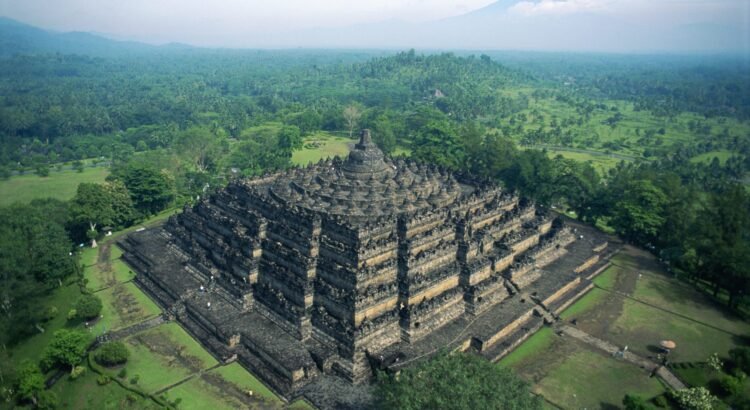
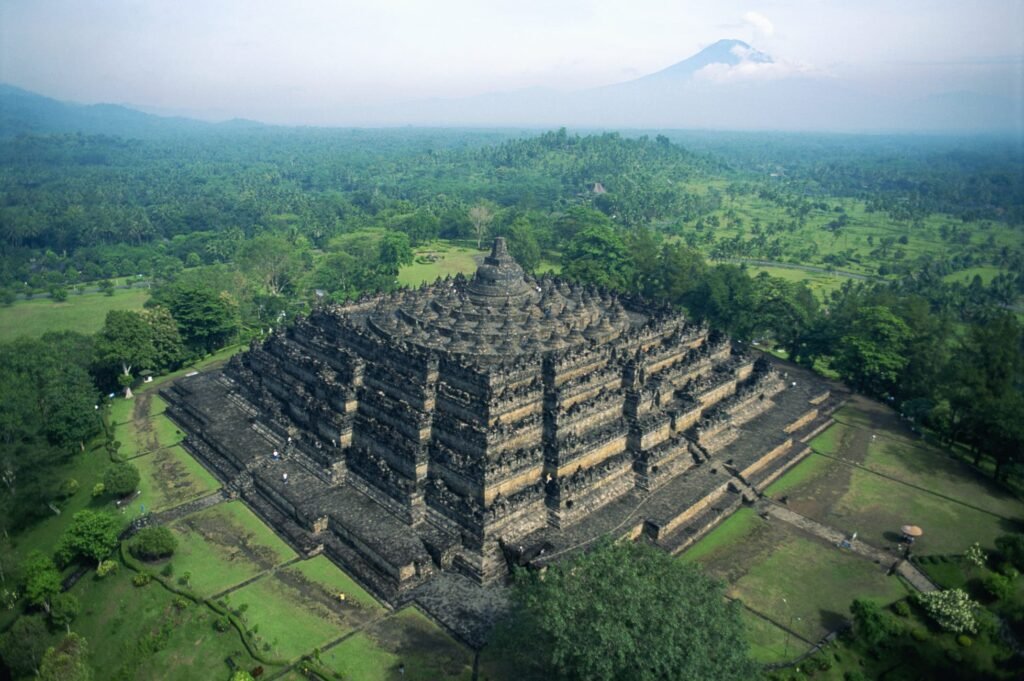
Exploring cultural and city destinations offers a unique way to experience history, architecture, and local traditions firsthand. Among Indonesia’s most iconic landmarks, Borobudur Temple stands out as a symbol of the country’s rich Buddhist heritage. Situated in Magelang, Central Java, this UNESCO World Heritage site has become an essential destination for travelers seeking education, spirituality, and scenic beauty. Visiting Borobudur allows tourists not only to deepen their knowledge about Buddhism in Indonesia but also to enjoy family-friendly activities amidst serene landscapes. Its proximity to other attractions in Yogyakarta enhances its appeal, making it a prime choice for cultural exploration.
Historical Significance of Borobudur Temple
Borobudur Temple is a Buddhist monument constructed during the 7th century under the reign of the Sailendra Dynasty. Originally, it functioned as a place of worship and pilgrimage for Buddhists. Historical records indicate that building this massive temple complex took nearly 60 years, spanning from 780 AD to 840 AD, under King Sailendra and later his daughter, Queen Pramodawardhani.
After the decline of the Sailendra Dynasty, Borobudur was abandoned and eventually rediscovered in 1814 by Sir Thomas Stamford Raffles, who served as the Governor-General of the Dutch East Indies. He initiated an excavation project that concluded in 1835. Later, in 1973, a major restoration was undertaken by the Indonesian government in collaboration with UNESCO, revitalizing Borobudur as both a place of worship during Vesak and a globally recognized tourist destination.
How to Reach Borobudur
Borobudur Temple is located in Magelang, specifically at Jl. Badrawati, Borobudur. It is conveniently positioned around 23 km from Yogyakarta, taking approximately 35 minutes by car. Visitors can use local transport options such as rental cars, including the Hiace Premio, or other vehicles. By utilizing Google Maps for navigation, travelers can find the fastest and most efficient route to the temple, ensuring a hassle-free journey.
Visiting Hours and Best Time to Visit
Borobudur is open daily from 6:30 AM to 4:30 PM, with the early morning hours being the ideal time for visitors seeking cooler temperatures and a more tranquil experience.
| Day | Hours |
|---|---|
| Monday–Sunday | 06:30 – 16:30 |
For those who wish to witness the sunrise over Borobudur, many local resorts offer special sunrise tour packages, providing a breathtaking view of the temple against a backdrop of mountains and lush greenery.
Architectural Marvel of Borobudur
Borobudur Temple’s architecture is exceptional, featuring 72 stupas, 504 Buddha statues, and 2,672 intricately carved relief panels. Unlike typical temples, Borobudur is constructed in tiered levels with paths aligned to the four cardinal directions, symbolizing the spiritual journey of human life. The temple is divided into three main zones, each reflecting a different stage of spiritual progression:
Kamadhatu Zone
The lowest level, Kamadhatu, represents the earthly realm where humans are still entangled in worldly desires. The 160 relief panels depict the darker side of human nature, including acts of greed, violence, and indulgence.
Rupadhatu Zone
Ascending four levels brings visitors to Rupadhatu, symbolizing the transitional state between earthly life and spiritual enlightenment. Here, one finds 328 Buddha statues and 1,300 relief panels, divided into sections including Gandhawyuha, Lalitawistara, Jataka, and Awadana, collectively narrating moral and spiritual lessons.
Arupadhatu Zone
The highest circular level, Arupadhatu, signifies the ultimate spiritual state, symbolizing the abode of God. This area houses 72 Buddha statues enclosed in stupas, marking it as the most sacred part of the temple.
Tourist Facilities at Borobudur
As an international tourist site, Borobudur offers a variety of facilities, including:
- Spacious parking areas
- Souvenir shops selling local crafts
- Hotels and homestays
- Restrooms
- Tour guides
- Restaurants
Visitors can enrich their experience through guided tours, which provide deep insights into the temple’s history and Buddhist philosophy. Packages like Jogja Super Tours or Salsa Wisata make visiting Borobudur seamless, especially for families or large groups.
Ticketing and Additional Costs
Entrance fees differ for domestic and international visitors, with additional charges for accessing the upper stupa levels.
- Domestic visitors: Adult IDR 50,000, Children IDR 25,000
- International visitors: Adult USD 25 (~IDR 375,000), Children USD 15 (~IDR 225,000)
Additional fees apply for accessing the upper stupa, sunset or sunrise tours, guided tours, and transportation within the site, ensuring both the temple’s preservation and an enriched visitor experience.
Exploring Borobudur’s Surroundings
Museums
Nearby museums, such as Borobudur Museum, Samudraraksa Museum, and Museum MURI, showcase archaeological artifacts, large Buddha statues, and cultural collections, all within walking distance.
Culinary Experiences
Borobudur offers unique culinary delights. A must-try dish is Mangut Beong, a spicy catfish dish prepared with coconut milk, turmeric, and red chili, providing a flavorful taste of local cuisine.
Other Temples
Visitors can also explore nearby temples like Mendut, Pawon, and Ngawen, all part of the larger Borobudur complex. Each temple has its own historical significance and unique architecture, enriching the overall cultural experience.
Souvenirs and Local Crafts
Borobudur provides various souvenir options, from miniature temple replicas in bamboo, acrylic, or wood to silver handicrafts from Kotagede, Yogyakarta. Accessories, batik clothing, pottery, and homewares are also widely available.
Village Tourism
Borobudur’s villages, particularly Desa Wanurejo, offer immersive experiences in rural life. Tourists can explore the nine hamlets by bicycle, electric scooter, horse carriage, or colorful VW cars, combining cultural discovery with leisure.
Popular Attractions Nearby
Other attractions like Puthuk Setumbu hill, Gereja Ayam (Chicken Church), and Svargabumi offer panoramic views, creative photo spots, and opportunities to witness local traditions, enhancing the cultural tour.
Traditional Arts and Performances
Villages such as Tanjungsari, Giritengah, Majaksingi, and Candirejo host performances of traditional Javanese music and dance, including Gamelan ensembles and classic dances, showcasing Indonesia’s vibrant cultural heritage.
Conclusion
Cultural and city tours in Indonesia provide a rich blend of history, spirituality, art, and gastronomy. Borobudur Temple and its surrounding attractions offer a complete cultural experience, from exploring ancient temples and museums to savoring local dishes and traditional performances. Travelers can immerse themselves in the region’s heritage while enjoying scenic landscapes and village tourism. Whether it’s witnessing the sunrise over the magnificent temple, exploring other historical sites, or engaging with local communities, Borobudur and its surroundings remain a top destination for enriching cultural and city tours.