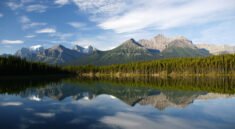
Nestled on the western coast of Newfoundland, Canada, Gros Morne National Park stands as one of the country’s most breathtaking and scientifically significant natural treasures. Spanning 1,805 square kilometers, it is the second-largest national park in Atlantic Canada, after Torngat Mountains National Park. Its name originates from the second-highest peak in Newfoundland—rising 806 meters above sea level—whose French translation means “large isolated mountain” or “gloomy mountain.”
Recognized as a UNESCO World Heritage Site, Gros Morne is more than just a scenic landscape. It showcases a rare geological phenomenon where Earth’s oceanic crust and mantle have been exposed by tectonic plate obduction. Here, visitors can walk among rock formations that date back nearly 1.2 billion years, carved by glaciers and continental collisions. Alongside its geological wonders, the park offers fjords, waterfalls, cliffs, beaches, forests, wetlands, and barren tablelands—making it a paradise for explorers, scientists, and outdoor enthusiasts alike.
Beyond nature, Gros Morne also celebrates culture and heritage. The park is home to diverse wildlife, including moose, black bears, red foxes, Canadian lynx, bald eagles, and whales, as well as fishing villages and historic sites that reflect the traditions of local communities who have lived off the land and sea for centuries.
Getting to Gros Morne National Park
By Air and Sea
To reach Gros Morne, visitors must first travel to the island of Newfoundland. Two main airports service the region: Deer Lake Airport, about 70 km from the park, and Gander International Airport, roughly 250 km away. Alternatively, travelers can take a ferry from Nova Scotia to either Port aux Basques (200 km) or Argentia (400 km), followed by a drive to the park.
Within Newfoundland
Once on the island, renting a car is the most convenient way to explore the vast landscapes of Gros Morne. Public bus services are also available, though less frequent. The park itself is accessible year-round, but the experience varies significantly by season.
Best Time to Visit
Summer and Fall Adventures
The peak season runs from May to October, when the weather is relatively warm and dry. During this period, visitors can enjoy hiking, boat tours, cultural events, and interpretive programs. Fall also offers a spectacular display of colorful foliage across the mountains and valleys.
Winter Activities
In winter, Gros Morne transforms into a snowy wonderland. Thick snow blankets the terrain, creating ideal conditions for cross-country skiing, snowshoeing, and snowmobiling. However, travelers should prepare for cold winds and unpredictable weather, packing appropriate winter gear for safety and comfort.
Admission Fees (as of 2023)
Like other Canadian national parks, Gros Morne charges an entrance fee based on age and visit duration. The passes also allow entry to other national parks within Canada for the same period.
- Adults (18–64): $7.90 per day or $40 annually
- Seniors (65+): $6.90 per day or $34 annually
- Youth (6–17): $3.90 per day or $20 annually
- Families/Groups (up to 7 people): $16 per day or $80 annually
- Children under 6 and Canadian veterans: Free
Things to Do in Gros Morne National Park
Hiking the Trails
Gros Morne is a hiker’s dream with more than 20 trails of varying difficulty. Whether you’re a casual stroller or an experienced mountaineer, there’s something for everyone:
- Gros Morne Mountain Trail: The park’s namesake peak offers panoramic views, though the climb is strenuous.
- Lookout Trail: A shorter hike that rewards visitors with sweeping vistas of Bonne Bay and surrounding landscapes.
- Tablelands: This unique area exposes part of Earth’s mantle, creating an otherworldly, barren terrain unlike anywhere else.
Exploring Fjords and Waterways
The park’s fjords are among its most stunning attractions:
- Western Brook Pond: Take a boat or kayak tour through this freshwater fjord, surrounded by cliffs that rise nearly 2,000 meters. Waterfalls cascade from dizzying heights, and wildlife like seals, eagles, and whales can often be spotted.
- Trout River Pond: A quieter alternative, perfect for paddling or hiking along its shores.
Cultural and Historical Experiences
Beyond natural wonders, Gros Morne preserves the cultural heritage of Newfoundland:
- Broom Point Fishing Premises: Learn about the lives of fishermen who once depended on cod fisheries.
- Lobster Cove Head Lighthouse: Explore a historic lighthouse with interpretive exhibits and coastal views.
- Woody Point Heritage Theatre: Enjoy local music, plays, and performances reflecting Newfoundland’s unique traditions.
- Norris Point Heritage Centre: A hub for learning about local history and community life.
Visitor Tips for Gros Morne
Plan Ahead
Check the official Parks Canada website or visitor centers for up-to-date information on trail conditions, weather, and road closures. Book accommodations, boat tours, and guided activities early during peak season to avoid disappointment.
Safety First
Respect wildlife and natural surroundings by following park regulations: never feed animals, maintain a safe distance from black bears and moose, and carry bear spray on hikes. Always pack proper clothing, footwear, and navigation tools such as maps, GPS, or a compass.
Embrace Variety
Don’t limit yourself to a single activity. Gros Morne invites visitors to camp under starry skies, cycle through rugged trails, fish in crystal-clear waters, or even join interpretive programs led by park rangers. Adventure seekers can try horseback riding, kayaking, or heli-skiing for unforgettable experiences.
Why Gros Morne is Worth Visiting
Gros Morne National Park blends geology, ecology, and culture into one unforgettable destination. It is a place where Earth’s history is written in stone, where fjords and mountains dominate the skyline, and where cultural traditions continue to thrive. Visitors leave not only with memories of majestic landscapes but also with a deeper understanding of the forces that shaped our planet and the resilience of the people who call Newfoundland home.
Conclusion
Gros Morne National Park is much more than a Canadian travel destination—it is a living classroom, an outdoor playground, and a cultural hub all in one. From billion-year-old rock formations to vibrant fishing villages, it offers something for every traveler, whether you’re a geologist, adventurer, or cultural enthusiast. A visit here provides not just scenic beauty but also a profound connection to nature and history. For anyone planning a trip to Canada, Gros Morne is a must-see treasure that embodies the spirit of exploration and discovery.