Bath City, located in the scenic county of Somerset, England, is one of the nation’s most celebrated tourist destinations. Renowned for its stunning Georgian architecture and naturally heated thermal springs, the city has captivated visitors for centuries. Bath seamlessly blends historical significance with modern charm, making it a must-visit location for history enthusiasts, architecture lovers, and anyone seeking a unique cultural experience. In this guide, we will delve into the history of Bath, highlight its major attractions along with entrance fees, discuss travel accessibility, and provide practical tips to make the most of your visit.
The History of Bath City
Roman Origins
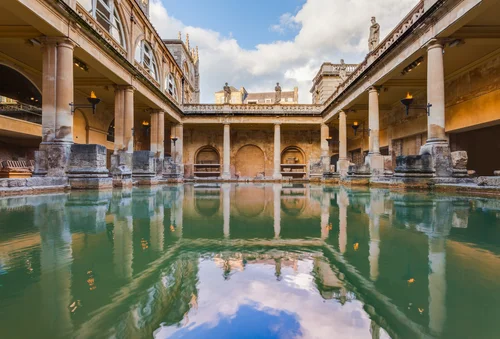
Bath’s history dates back to Roman times, when the Romans established a public bathing complex and spa, known as Aquae Sulis, on the site of the modern city. The Romans were drawn to the natural hot springs and constructed elaborate baths that served both social and religious purposes. Archaeological findings, including statues, coins, and intricate mosaics, provide insight into the city’s significance during Roman Britain. Visiting the Roman Baths today offers a glimpse into this ancient civilization, making history come alive for travelers of all ages.
Georgian Era
Bath’s prominence continued during the Georgian period in the 18th century. During this era, the city experienced a boom in urban development and architectural refinement. The Royal Crescent, a sweeping crescent-shaped row of terraced houses, exemplifies the elegance and symmetry of Georgian design. Similarly, Bath Abbey, with its soaring Gothic architecture, became a spiritual and cultural center for the city. In recognition of its historical and architectural importance, Bath has been designated a UNESCO World Heritage Site, drawing visitors from across the globe.
Attractions and Ticket Information
Roman Baths
No trip to Bath would be complete without visiting the Roman Baths. This ancient site preserves the remains of the Roman bathing complex, along with reconstructed artifacts and informative displays. Visitors can learn about Roman engineering, bathing rituals, and the city’s religious traditions. Admission fees vary depending on age group, with discounted rates for children and family passes available. Tickets can be purchased online in advance or at the entrance, and checking the latest prices prior to your visit is recommended.
The Royal Crescent
The Royal Crescent is an iconic example of Georgian architecture, consisting of a harmonious row of terraced buildings set against a sweeping crescent. Visitors can admire the symmetry and grandeur of the structures, while the adjacent Royal Victoria Park offers a relaxing space for a leisurely stroll or picnic. The area is perfect for photography enthusiasts looking to capture the elegance of historical England.
Bath Abbey
Bath Abbey is another essential landmark. Its intricate Gothic details, stunning stained-glass windows, and impressive fan vaulting make it a must-see for architecture and history lovers. The Abbey also hosts various cultural events and concerts, providing visitors with a rich experience beyond its architectural beauty.
Thermae Bath Spa
For those looking to enjoy the city’s famous hot springs, Thermae Bath Spa offers modern spa facilities where guests can bathe in naturally heated waters. It’s a relaxing way to experience Bath’s historical connection to wellness while taking in panoramic views of the city.
Getting to Bath City
By Train
Bath is approximately 156 kilometers southwest of London. One of the most convenient ways to reach the city is by train. Direct services from London Paddington Station to Bath Spa Station take around 1.5 hours, offering a comfortable and scenic journey through the English countryside.
By Car
Traveling by car is also an option, with Bath accessible via the M4 or M5 motorways. While there are parking facilities in and around the city, visitors should be aware that parking in the city center can be limited and often expensive. Planning ahead for parking is advisable, especially during peak tourist seasons.
Visitor Tips
Plan Ahead
To make the most of your trip, it is important to plan your itinerary carefully. Allocate sufficient time to explore key attractions, as Bath’s charm lies in the details of its architecture, history, and streetscapes.
Explore on Foot
Bath is a highly walkable city. Exploring by foot allows visitors to fully appreciate the intricate Georgian buildings, cobblestone streets, and hidden alleyways. Walking tours, both guided and self-led, are excellent ways to uncover the city’s hidden gems.
Take Advantage of the Thermal Spas
Don’t miss the opportunity to relax in Thermae Bath Spa. The natural hot springs are a defining feature of the city and provide a rejuvenating experience that connects modern visitors with Bath’s historic spa traditions.
Capture the Beauty
Bath offers countless photo opportunities, from the grandeur of the Royal Crescent to the serene views along the River Avon. Remember to bring a camera or smartphone to capture these memorable moments.
Conclusion
Bath City is a remarkable destination that combines historical richness with architectural beauty. Its Roman Baths, Georgian crescents, and Gothic Abbeys offer a unique glimpse into centuries of English culture. By understanding the city’s history, knowing which attractions to visit, planning travel routes, and following practical tips for exploration, visitors can enjoy a memorable and enriching experience in Bath.
Whether wandering through historic streets, soaking in natural thermal waters, or admiring exquisite architecture, Bath offers a perfect blend of relaxation, culture, and history. A well-planned visit ensures that travelers can fully appreciate the charm and elegance that make this city one of England’s most treasured destinations.