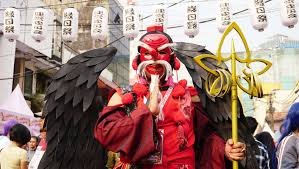
Travel is not merely about seeing new places; it is about immersing oneself in the traditions, rituals, and communal celebrations that define a culture. In Japan, one of the most vivid ways to experience local culture is through Matsuri festivals. These traditional festivals, celebrated throughout the country, showcase Japan’s rich history, religious practices, and vibrant community spirit. Experiencing a Matsuri festival offers travelers a rare opportunity to witness centuries-old customs, participate in colorful processions, and engage with Japanese society in a lively and interactive way.
Understanding Matsuri Festivals
Origins and Cultural Significance
Matsuri festivals have their roots in Shinto and Buddhist practices, often connected to local shrines, seasonal changes, or historical events. The term “Matsuri” itself refers to any festival or celebration, and each festival has its own unique traditions, rituals, and purposes. Common elements include parades, music, traditional dances, and elaborate floats (mikoshi), which are carried through the streets by enthusiastic participants. At their core, Matsuri festivals emphasize community cohesion, reverence for nature and deities, and the celebration of cultural heritage.
Spiritual and Social Dimensions
Beyond the visual spectacle, Matsuri festivals hold deep spiritual and social meaning. Many festivals are held to pray for a bountiful harvest, protection from natural disasters, or the well-being of the community. The rituals often include offerings, prayers, and ceremonial performances at shrines, connecting participants with centuries-old religious traditions. Socially, Matsuri bring together people of all ages, fostering intergenerational bonds and a strong sense of belonging. For travelers, witnessing these festivals offers insight into how spirituality, culture, and community intertwine in Japanese life.
Experiencing Matsuri Festivals
Preparation and Community Involvement
Preparation for Matsuri festivals begins well in advance. Local communities work together to build floats, organize performances, and coordinate events. Streets are decorated with lanterns, banners, and seasonal ornaments, creating a festive atmosphere. Participants often wear traditional attire, such as happi coats, yukata, or festival-specific costumes, enhancing the visual appeal of the celebration. For travelers, observing these preparations provides a glimpse into the dedication, collaboration, and pride that local communities invest in preserving their traditions.
Parades, Floats, and Performances
The heart of any Matsuri festival is the parade. Elaborate floats, sometimes massive and intricately decorated, are carried or wheeled through the streets by groups of community members. These floats often feature symbols, historical figures, or deities, reflecting the festival’s spiritual or historical significance. Accompanying the floats are performers playing traditional instruments, dancers performing ritualistic or celebratory dances, and participants engaging with the crowd. Travelers who join or observe these parades experience a dynamic mix of sound, movement, and visual spectacle, gaining a deeper understanding of Japanese artistry and communal celebration.
Food, Games, and Street Activities
Matsuri festivals are also culinary and recreational experiences. Street vendors sell local delicacies such as takoyaki, yakisoba, taiyaki, and festival sweets. Games and activities for children and adults alike, including goldfish scooping, ring toss, and shooting galleries, add to the lively atmosphere. Travelers can sample traditional foods, engage in games, and interact with locals, making the experience immersive and multisensory. This combination of ritual, entertainment, and community participation exemplifies how Japanese festivals balance spiritual reverence with enjoyment and social interaction.
Lessons from Matsuri Festivals
Embracing Tradition and Community
Participating in or observing Matsuri festivals highlights the importance of tradition and community in Japanese culture. The festivals demonstrate how cultural practices are maintained and transmitted across generations, reinforcing identity, values, and social bonds. Travelers gain insight into the Japanese approach to preserving heritage while creating vibrant, participatory experiences for both locals and visitors.
Cultural Respect and Engagement
While Matsuri festivals are engaging and festive, respectful participation is essential. Understanding the spiritual significance, observing proper etiquette, and interacting thoughtfully with local participants ensure a meaningful and authentic experience. Travelers learn that cultural encounters are most rewarding when approached with mindfulness, curiosity, and respect for local customs.
Conclusion
Matsuri festivals in Japan offer a unique and immersive cultural encounter that goes beyond mere observation. From elaborate floats and traditional dances to lively street food stalls and communal participation, these festivals provide travelers with insight into Japan’s spiritual practices, artistic traditions, and social cohesion. Experiencing a Matsuri allows visitors to engage directly with local culture, understand the interplay of tradition and celebration, and appreciate the values that sustain community life. Beyond the visual and sensory spectacle, Matsuri festivals impart lessons about cultural continuity, respect, and the joy of shared experiences, making them an essential highlight for anyone seeking an authentic encounter with Japanese culture.