Travel is not only about sightseeing or sampling local cuisine; it is about engaging with the customs, traditions, and celebrations that define a culture. One of the most iconic and lively cultural experiences in Germany is Oktoberfest, the world-renowned beer festival held annually in Munich. More than just a gathering for beer enthusiasts, Oktoberfest is a vibrant celebration of Bavarian culture, featuring traditional music, folk dances, local cuisine, and elaborate costumes. Experiencing this festival allows travelers to immerse themselves in the social and cultural fabric of Germany, making it an unforgettable encounter with local life.
Understanding Oktoberfest
Origins and History
Oktoberfest originated in 1810 to celebrate the marriage of Crown Prince Ludwig (later King Ludwig I) and Princess Therese of Saxony-Hildburghausen. The festivities included horse races, food, and beer, marking the beginning of a tradition that has grown into a global phenomenon. Today, the festival takes place over 16–18 days, starting in late September and ending in early October, attracting millions of visitors from around the world. The historical roots of Oktoberfest highlight Germany’s ability to preserve tradition while adapting it to modern times.
Cultural and Social Significance
At its core, Oktoberfest reflects Bavarian identity and community spirit. The festival is an occasion for families, friends, and tourists to come together, enjoying music, food, and social interaction. Traditional attire, such as lederhosen for men and dirndls for women, adds to the cultural authenticity of the experience. For travelers, Oktoberfest provides insight into German customs, hospitality, and the value placed on communal celebration, demonstrating how cultural heritage can be both festive and inclusive.
Experiencing Oktoberfest
Preparations and Atmosphere
Preparation for Oktoberfest begins months in advance. Munich transforms with decorated tents, bustling beer gardens, and streets lined with vendors selling traditional snacks like pretzels, sausages, and roasted almonds. Visitors often plan their trips carefully, securing accommodation and festival passes to fully enjoy the event. For travelers, arriving early allows them to experience the pre-festival excitement, mingle with locals, and observe the intricate details that make Oktoberfest a unique cultural spectacle.
Beer Tents and Culinary Traditions
A central part of Oktoberfest is the beer tents, each offering a distinct atmosphere, traditional music, and local cuisine. Visitors can enjoy freshly brewed Bavarian beers served in one-liter mugs, accompanied by hearty dishes such as schweinshaxe (pork knuckle) or bratwurst. The lively tents are a hub of social interaction, where singing, clapping, and dancing create a sense of camaraderie among participants. Engaging with this vibrant environment allows travelers to experience firsthand the communal joy and energy that define German festivals.
Music, Dance, and Entertainment
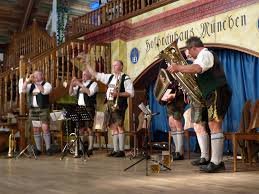
Music and entertainment play a crucial role in Oktoberfest. Traditional folk bands perform throughout the day, while dancers showcase Bavarian dances that have been passed down through generations. Visitors can also enjoy carnival rides, games, and cultural exhibitions, which add layers of fun and education to the festival. These performances and activities provide a rich, immersive experience, demonstrating how music, movement, and play are essential to cultural expression.
Lessons from Oktoberfest
Celebrating Community and Tradition
Oktoberfest teaches the importance of communal celebration and cultural pride. By participating in shared meals, songs, and dances, travelers witness how festivals foster social bonds and preserve cultural heritage. The event encourages a sense of belonging, reminding visitors that traditions thrive when communities engage actively and joyfully in their preservation.
Cultural Respect and Participation
While Oktoberfest is enjoyable and lively, approaching it with respect for local customs enhances the experience. Understanding the significance of traditional attire, etiquette in beer tents, and the cultural symbolism of dances and songs ensures meaningful participation. This encounter emphasizes that cultural immersion is most rewarding when approached with openness, curiosity, and mindfulness.
Conclusion
Germany’s Oktoberfest is more than just a world-famous beer festival; it is a vibrant cultural encounter that showcases Bavarian traditions, communal spirit, and festive hospitality. Participating in Oktoberfest allows travelers to immerse themselves in the sights, sounds, and tastes of German culture, gaining insight into the values, social bonds, and celebratory customs that define the region. From enjoying traditional dishes and beverages to dancing to folk music and exploring bustling tents, the festival offers a unique and memorable experience. Beyond the entertainment, Oktoberfest teaches valuable lessons about cultural respect, community engagement, and the joy of shared traditions, making it an essential experience for any traveler seeking a truly immersive cultural adventure.