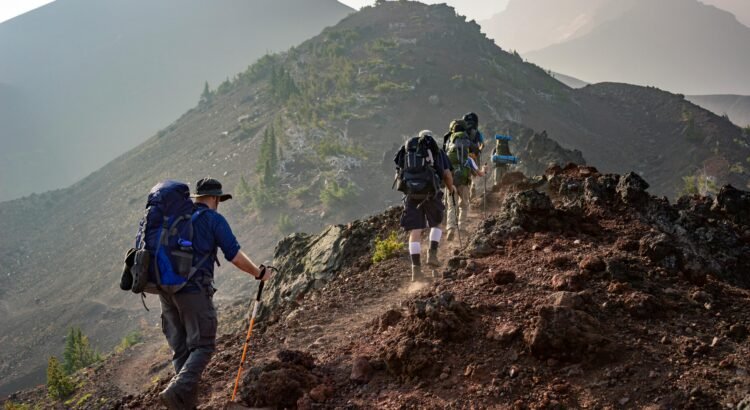
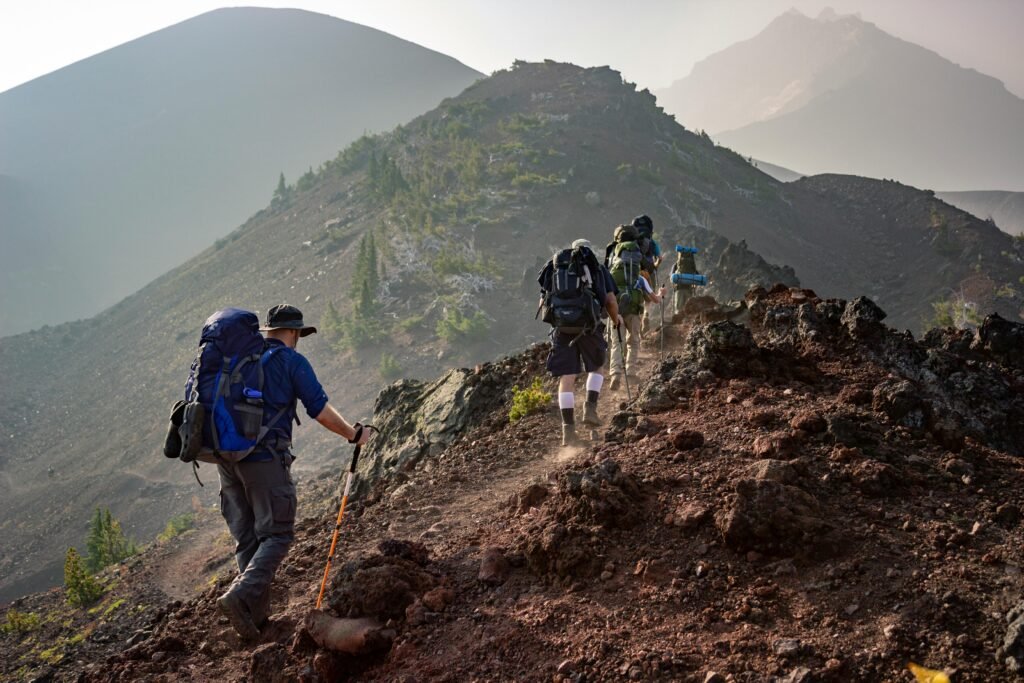
Hiking up a mountain can be one of the most exhilarating experiences for outdoor enthusiasts. However, no matter how skilled or experienced a hiker you are, mountains demand proper preparation. Without the right gear and accessories, a hike can quickly turn dangerous, exposing hikers to cold temperatures, injuries, or even getting lost. The key to a safe and enjoyable mountain adventure lies in equipping yourself with the proper tools and knowing how to use them effectively.
From clothing to survival tools, having the right accessories can make the difference between a comfortable, memorable hike and a challenging ordeal. Below, we explore the essential gear and accessories every mountain hiker should carry.
Essential Hiking Gear and Accessories
1. Clothing and Jackets
Choosing the right clothing is critical for both comfort and safety. It is recommended to pack at least three sets of clothing for a typical 2-day, 1-night hike:
- First Set: Worn during the climb to the campsite, ideally made of quick-dry, lightweight, and durable materials to stay comfortable while hiking.
- Second Set: Reserved for camping and sleeping. Warm fabrics like cotton or knitted layers help prevent hypothermia at night. Always ensure clothes are dry before sleeping.
- Third Set: Used for summit attempts and descending the mountain, allowing hikers to stay clean and presentable for photos.
Additionally, a waterproof and windproof jacket is essential for protection against cold winds and light rain. Pair it with gloves and head coverings to maintain warmth in high-altitude conditions.
2. Sleeping Bag
A sleeping bag is indispensable for overnight mountain trips. Nights can be freezing, and temperatures often drop below 10°C at high altitudes. Choosing the right sleeping bag, such as a double polar, mummy-style, or convertible type with pillow support, ensures warmth and comfort. Look for bags rated for temperatures around 15°C for standard conditions, or 5°C for extreme cold. Material matters too; high-quality dacron or polar fabrics provide insulation while remaining lightweight.
3. Backpack or Carrier
A reliable mountain backpack is critical for carrying all hiking essentials. These carriers range in size from 45L to 100L and include features like ergonomic shoulder straps, waist belts, and attachment points for mats, water bottles, and other gear. Modern ultra-light backpacks provide comfort while minimizing weight, and anti-gravity suspension systems can further reduce strain during long hikes. Properly selecting a backpack suited to your body ensures both convenience and safety.
4. Sleeping Mat
A sleeping mat serves as a cushion between your body and the ground, offering insulation and comfort during sleep. It can also double as a seating area when cooking or resting. Mats come in various types, such as foam, inflatable, aluminum foil, or foldable sponge mats. Lightweight and compact mats are preferred for longer treks, allowing easy transport without sacrificing comfort.
5. Hiking Boots
Mountain boots are designed for protection and stability on rugged terrain. Look for features like waterproofing, durable grip soles, and strong materials suitable for rocky or muddy trails. Proper sizing is essential—boots should not be too tight or loose to prevent blisters or blackened toenails during extended hikes. Comfort and safety depend heavily on choosing footwear that fits well and supports your feet throughout the journey.
6. Tent
A tent serves as temporary shelter during mountain expeditions. Options vary from single-layer to double-layer, and the dome tent is commonly preferred for stability. Consider capacity, weight, waterproofing, and ease of packing when selecting a tent. Adding a flysheet for extra protection against rain can enhance safety, especially in unpredictable weather conditions.
7. Cooking Equipment
Maintaining energy is vital during strenuous hikes. A portable stove and nesting set allow hikers to prepare warm meals, which are crucial for preventing hypothermia. Fuel options include gas or paraffin, while avoiding flammable oils to minimize fire hazards. Proper cooking equipment ensures sustenance without compromising safety.
8. Headlamp
A headlamp is indispensable for visibility during nighttime hikes or summit attempts, often starting in the early hours before sunrise. Headlamps are also crucial for navigating the campsite at night, especially for basic needs like finding a bathroom spot in the dark. Always carry extra batteries and a reliable light source to ensure safety.
9. Socks
High-quality hiking socks are often overlooked but are vital for warmth and comfort. Carry at least two pairs to alternate in case one becomes wet. Wool or synthetic quick-dry socks can prevent blisters and keep feet warm during chilly nights.
10. Gloves and Headgear
Protective gloves shield hands from abrasions and cold, while headgear helps retain body heat and shield from sun exposure. Both are crucial for maintaining comfort and preventing frostbite or sunburn in extreme conditions.
11. Gaiters
Gaiters protect legs and boots from debris, sand, mud, and thorny vegetation. They also provide extra insulation during night treks, keeping lower legs warm and dry.
12. Rain Gear
A lightweight, waterproof rain jacket or poncho is a must-have. Ponchos have the added benefit of covering both the hiker and their backpack. Rain gear not only prevents getting wet but can also serve as temporary shelter in emergencies.
13. Trekking Poles
Trekking poles reduce strain on knees and provide stability on uneven terrain. They can also serve as makeshift tent supports or be adapted for other uses in survival situations. Proper use improves balance and reduces fatigue during long climbs.
14. Survival Kit
A survival kit is essential for emergencies, including injuries, disorientation, or sudden weather changes. Items may include a first-aid kit, whistle, compass, fire starter, and emergency blanket. Having these tools ensures preparedness for unexpected situations, especially during extended mountain expeditions.
Conclusion
Mountain hiking is both thrilling and demanding. Success and safety on the trail rely heavily on preparation and the right accessories. From layered clothing, jackets, and boots to sleeping bags, tents, and survival tools, each item serves a specific purpose to enhance comfort, warmth, and safety. By carefully selecting gear suited to your hike’s duration and conditions, you can focus on enjoying the journey while minimizing risks. Properly equipped, hikers can face any terrain with confidence, ensuring that every mountain adventure becomes a safe and memorable experience.