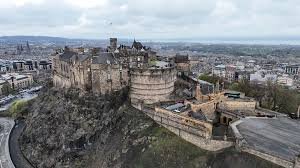
Perched majestically atop Castle Rock, Edinburgh Castle is one of Scotland’s most iconic landmarks. Dominating the skyline of the capital city, this historic fortress is both a popular tourist attraction and a symbol of Scotland’s rich and turbulent past. A visit to Edinburgh would be incomplete without exploring this remarkable site, which offers a unique blend of history, architecture, and cultural heritage. This guide provides a comprehensive overview of Edinburgh Castle, including its history, key attractions, practical visitor information, and tips to maximize your experience.
A Brief Overview of Edinburgh Castle
Edinburgh Castle sits on a strategic volcanic rock, overlooking the city and offering spectacular views of the surrounding landscape. It is Scotland’s most visited historic site, attracting millions of tourists annually. Beyond its defensive and military functions, the castle has been central to Scotland’s monarchy and identity, playing key roles in battles, royal ceremonies, and national events throughout history.
The History of Edinburgh Castle
Ancient Beginnings
The origins of Edinburgh Castle date back to prehistoric times. Castle Rock has likely been inhabited since around 900 BC, making it a site steeped in ancient history. Over the centuries, it has witnessed countless events, from battles to royal residencies, each leaving its mark on the fortress.
Medieval and Royal Significance
By the 12th century, Scottish kings began reinforcing the castle. King David I used it as a royal residence, and during the 15th and 16th centuries, extensive expansions were made, transforming it into a formidable fortress. In 1296, the castle was captured by English forces, marking a dramatic chapter in Scotland’s history. However, during the Wars of Scottish Independence in the 14th century, Edinburgh Castle was reclaimed, restoring it to Scottish control.
Over time, the castle served multiple purposes: royal residence, military stronghold, and secure storage for Scotland’s treasures, including the famed St Edward’s Crown, a symbol of the Scottish monarchy.
Unique Features and Attractions
Spectacular Location
Edinburgh Castle’s location atop Castle Rock provides breathtaking panoramic views of the city, making it a perfect spot for photography. The elevated position also served historical defensive purposes, giving it a commanding presence over the surrounding landscape.
Architectural Marvel
The castle showcases a mixture of architectural styles, from medieval fortifications to later period enhancements. Its sturdy walls, towers, and intricate structures reflect both its defensive purpose and its role as a royal symbol.
Historical Artifacts
Visitors can explore significant artifacts, including the Stone of Destiny, used in Scottish coronations, and the Royal Palace, once home to Scotland’s kings and queens. These items provide an intimate connection to the nation’s royal heritage.
Legends and Lore
Edinburgh Castle is steeped in legends and ghost stories, adding a mystical allure. Tales of spirits and historical events permeate the site, making each corner of the castle rich with stories that span centuries.
Activities and Things to See
Royal Palace
The Royal Palace is a highlight of the castle, offering a glimpse into the royal lifestyle of Scotland’s past. Visitors can view the Crown Jewels of Scotland, including ceremonial crowns, scepters, and other symbols of monarchy. St Margaret’s Chapel, the oldest building in the castle, is over a thousand years old and a significant historical site.
Stone of Destiny
The Stone of Destiny holds immense historical and symbolic significance, as it was used in the coronation of Scottish monarchs. Seeing this stone in person provides a direct connection to Scotland’s royal traditions.
National War Museum
History and military enthusiasts can explore the National War Museum, which houses an impressive collection of weaponry, armor, and artifacts spanning centuries of Scottish military history. The exhibits offer insight into Scotland’s martial heritage and the castle’s role in national defense.
Crown Jewels
The Crown Jewels of Scotland are among the most treasured exhibits, displayed prominently for public viewing. They include crowns, swords, and ceremonial regalia, representing centuries of Scottish monarchy.
Esplanade and City Views
Walking along the castle’s Esplanade offers breathtaking views of Edinburgh’s historic streets, iconic buildings, and lush parks. It’s an ideal spot to appreciate the cityscape and capture memorable photographs.
Special Events
Edinburgh Castle hosts numerous events throughout the year, with the Edinburgh Military Tattoo being the most famous. This annual August event features military bands, performances, and a spectacular display of Scottish culture, attracting thousands of spectators from around the world.
Guided Tours and Audio Guides
For a more in-depth experience, visitors can take advantage of guided tours or audio guides available in multiple languages. These provide detailed information about the castle’s history, architecture, and artifacts.
Visitor Information: Location, Tickets, and Transportation
Location
Edinburgh Castle is located at Castlehill, Edinburgh EH1 2NG, in the heart of the city. Its central position makes it easily accessible from other major attractions in Edinburgh.
Opening Hours
- High Season (April–September): 09:30 – 18:00
- Winter Season (October–March): 09:30 – 17:00
- Closed on December 25th and 26th
It’s recommended to check the official website for current hours and special events.
Transportation Options
- Public Transport
- Bus: Multiple routes, including 35, 36, 41, 42, and 47, stop near the castle.
- Tram: From Edinburgh Airport, trams connect to the city center; a short walk from Prince’s Street leads to the castle.
- Train: Waverley Station is approximately a 10-minute walk away, connecting Edinburgh to other major cities.
- Taxis and Private Vehicles
- Taxis offer convenient access, but parking near the castle is limited and can be expensive.
- Walking
- For those in the city center, walking to the castle is enjoyable, taking in historic streets, shops, and scenic views along the way.
Ticket Prices
- Adults: £19.50 (~Rp 400,000)
- Students and Seniors: £15.50 (~Rp 320,000)
- Children (5–15 years): £11.50 (~Rp 240,000)
- Under 5 years: Free
Tickets provide full access to the castle, museums, and exhibits.
Tips for a Memorable Visit
- Choose the Right Time – Visit early or during off-peak seasons to avoid crowds.
- Use an Audio Guide – Learn the rich history and stories behind the castle’s landmarks.
- Wear Comfortable Shoes – The castle’s elevated position involves walking and climbing stairs.
- Purchase Tickets Online – Skip long lines by booking in advance.
- Check Event Schedules – Align your visit with special events or performances for an enriched experience.
Nearby Attractions
- Royal Mile – A historic street leading to Holyrood Palace, lined with shops, cafes, and landmarks.
- St Giles’ Cathedral – Famous for its Gothic architecture and spiritual history.
- Holyrood Palace – The Queen’s official residence in Scotland, featuring royal rooms and gardens.
- Arthur’s Seat – An extinct volcano offering panoramic views of Edinburgh for hiking enthusiasts.
- National Museum of Scotland – Exhibits spanning Scottish history, art, culture, and technology.
Conclusion
Edinburgh Castle stands as a testament to Scotland’s rich history, royal heritage, and architectural grandeur. Its elevated location on Castle Rock offers panoramic views, while the castle itself provides a fascinating journey through centuries of Scottish history. From exploring the Royal Palace and Stone of Destiny to enjoying panoramic city vistas from the Esplanade, visitors can immerse themselves in the unique stories of this historic fortress.
Whether you’re a history buff, architecture lover, or cultural traveler, Edinburgh Castle promises an unforgettable experience at the heart of Scotland’s capital. A visit here not only captures the essence of Scottish heritage but also offers a scenic and immersive journey through time.