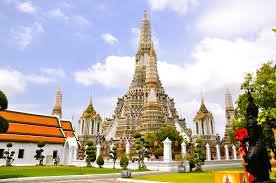
Among the many cultural landmarks that define Thailand, Wat Arun, also known as the Temple of Dawn, holds a special place as one of the most iconic. Rising majestically along the banks of the Chao Phraya River, this temple symbolizes both the artistic spirit and cultural identity of the Thai people. Its towering spires, intricate decorations, and riverside location make it one of the most photographed and visited sites in Bangkok.
For travelers heading to Thailand’s capital, Wat Arun is not just a historical monument but also a living testament to centuries of tradition. From its fascinating history linked to Thai kings to the variety of activities visitors can enjoy within its grounds, Wat Arun promises an unforgettable experience. This guide explores the temple’s past, its cultural significance, what you can do there, how to reach it, and the etiquette you should follow during your visit.
The History of Wat Arun
Origins Under King Taksin
Wat Arun dates back to 1768, during the reign of King Taksin, who became ruler after a turbulent period of conflict with Burma. Historical accounts state that the king arrived at the site at dawn after a victorious battle, inspiring the temple’s poetic name: the Temple of Dawn.
Royal Promises and Symbolism
The temple also has a profound connection to the Chakri dynasty. During the era of King Rama III, the monarch placed the royal crown at the top of the temple’s central prang as a symbolic gesture. This act represented his loyalty and his promise to return the throne to his elder brother after completing his reign. Such traditions reinforce Wat Arun’s place not just as a religious site, but also as a symbol of political honor and fidelity.
Architectural Style
Wat Arun’s design showcases a blend of Khmer-style prang towers with Thai influences. Covered with colorful porcelain and seashell mosaics, its central tower rises high above the city, making it the tallest Buddhist temple in Thailand. The glistening surface reflects sunlight beautifully, creating a dramatic view at sunrise and sunset.
Things to Do at Wat Arun
Explore the Temple Grounds
A visit to Wat Arun is incomplete without walking through its grand complex. Every corner reveals stunning details—from Chinese floral ceramics embedded in the walls to delicate seashell patterns on stairways. The temple’s narrow steps may require caution, but moving slowly allows visitors to fully appreciate the craftsmanship.
Pose in Traditional Thai Costumes
Around the temple, you can rent traditional Thai outfits for a small fee (around 50–100 baht). Dressing in vibrant silk clothing and taking photos against the backdrop of Wat Arun’s prangs offers a memorable cultural experience that blends history with modern tourism.
Enjoy the Sunset View
While the temple is stunning at any time of the day, it is most magical during sunset. Watching the golden hues of the evening sun reflect on the temple’s porcelain surfaces creates a breathtaking scene. Many visitors choose to take a boat ride along the Chao Phraya River during this time to capture the full beauty of Wat Arun against the twilight sky.
Shop for Souvenirs
Wat Arun also offers a chance to buy affordable Thai souvenirs. From small Buddha figurines to handcrafted trinkets, local vendors provide plenty of options at lower prices compared to larger tourist markets. Bargaining is common here, so don’t hesitate to negotiate for the best deal.
Entrance Fees and How to Get There
Ticket Price
Visiting Wat Arun is budget-friendly, with an entrance fee of just 100 baht (around USD 3) per person. Considering the temple’s grandeur and cultural importance, this makes it one of the best-value attractions in Bangkok.
Directions to Wat Arun
By BTS Skytrain
Start by taking the BTS Skytrain to Saphan Taksin Station. The train journey is smooth and inexpensive, with connections available across the city.
By Ferry Ride
From Saphan Taksin, walk about five minutes to Than Thien Pier. There you can board an orange-flagged ferry that crosses the Chao Phraya River directly to Wat Arun. The ride takes only about 10 minutes, with a fare between 15–40 baht. This short boat trip offers scenic views of Bangkok’s riverside life, preparing you for the grandeur of the temple ahead.
Etiquette for Visiting Wat Arun
Visiting Wat Arun is not just about sightseeing—it is also about respecting Thai culture and Buddhist traditions. Here are key etiquette rules:
Dress Modestly
Both men and women should wear clothing that covers the knees and shoulders. Sleeveless tops, shorts, or revealing clothes are considered inappropriate.
Remove Footwear
Shoes, and even socks, must be removed before entering temple interiors.
Step Over Thresholds
Never step directly on a doorway threshold. Instead, carefully step over it as a sign of respect.
Avoid Physical Contact with Monks
Women, in particular, should refrain from direct contact with monks. If you wish to give something to a monk, it is customary to ask a male companion to do it for you.
Photography Rules
Not all areas are open for photography. Always check signs before taking pictures and avoid disrupting the sacred atmosphere.
Remove Hats and Sunglasses
Out of respect, hats and sunglasses should be removed when entering temple spaces.
Keep Noise Levels Low
Silence is part of honoring the spiritual ambiance. Mobile phones should be on silent mode, and conversations should be kept quiet.
Conclusion
Wat Arun is more than just a tourist attraction—it is a shining symbol of Thailand’s resilience, spirituality, and artistry. From its origins under King Taksin to its royal connections with the Chakri dynasty, the temple embodies centuries of Thai history. Its Khmer-inspired architecture, detailed porcelain mosaics, and riverside location make it one of the most visually striking landmarks in Bangkok.
Visitors can admire its artistry, dress in traditional Thai costumes, shop for souvenirs, or simply relax by the river while watching the sunset. With affordable entrance fees and easy access via Bangkok’s transport system, visiting Wat Arun is both convenient and rewarding.
By observing proper etiquette and appreciating its cultural value, every traveler can experience not only the beauty of the Temple of Dawn but also the essence of Thai spirituality. A trip to Bangkok would be incomplete without standing before this glowing masterpiece as it reflects the golden light of day’s end over the Chao Phraya River.