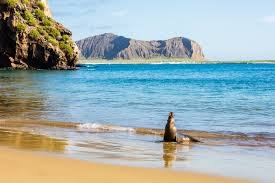
The Galapagos Islands, an enchanting archipelago located roughly 1,000 kilometers off the coast of Ecuador in the Pacific Ocean, are renowned for their extraordinary natural beauty and unparalleled biodiversity. Comprising 18 main islands and numerous smaller islets, the Galapagos have captured the imagination of travelers and scientists alike for centuries. From pristine beaches to dramatic volcanic landscapes and extraordinary wildlife, the islands offer a unique destination for nature lovers, adventure seekers, and those interested in ecological conservation.
In this guide, we will delve into the history of the Galapagos Islands, explore the top attractions, provide details about ticket prices for various activities, and share practical tips to ensure an unforgettable visit to this remarkable UNESCO World Heritage site.
The History of the Galapagos Islands
Early Discoveries
The Galapagos Islands were first accidentally discovered in the early 16th century by a Spanish priest and explorer named Fray Tomás de Berlanga. Following this initial discovery, the islands became a stopover for sailors and pirates navigating the Pacific. Despite their early contact with humans, the islands remained largely uninhabited and undisturbed, preserving their rich and unique ecosystems.
Darwin and the Global Spotlight
The Galapagos rose to international prominence after the visit of Charles Darwin in 1835. During his voyage on the HMS Beagle, Darwin conducted detailed observations of the islands’ distinct flora and fauna. These studies laid the groundwork for his revolutionary theory of evolution through natural selection. Because of his work, the Galapagos Islands are often referred to as a “living laboratory,” illustrating the process of adaptation and evolution in a relatively isolated environment.
Conservation Today
Today, the Galapagos Islands are carefully protected by the Ecuadorian government. Designated as a national park and a UNESCO World Heritage site, the islands enforce strict conservation laws to safeguard their ecosystems. Tourists visiting the archipelago can enjoy its natural wonders through regulated activities, ensuring that future generations will continue to benefit from its extraordinary biodiversity.
Attractions in the Galapagos Islands
The Galapagos Islands offer a wide range of activities and attractions that allow visitors to experience their unique landscapes and wildlife.
Natural Landscapes
The islands boast breathtaking landscapes, including active volcanoes, lush highlands, and pristine beaches. Hikes to volcanic peaks provide panoramic views of the archipelago, while exploring coastal areas and forests gives visitors the chance to encounter a variety of native plants and animals unique to the islands.
Scuba Diving and Snorkeling
With crystal-clear waters and thriving marine life, the Galapagos Islands are a paradise for divers and snorkelers. Vibrant coral reefs, schools of colorful fish, sea turtles, and even sharks create unforgettable underwater experiences. Diving excursions allow travelers to immerse themselves in this aquatic wonderland, providing both adventure and education about marine ecosystems.
Swimming with Whales
For those seeking extraordinary encounters, the Galapagos offer opportunities to swim or dive alongside majestic whale species. These waters are among the best places in the world to observe and interact with large marine mammals in their natural environment, offering a once-in-a-lifetime experience.
Birdwatching
The archipelago is home to many rare and endemic bird species, including the famous Darwin’s finches, Galapagos penguins, and various species of owls. Guided tours or hikes allow visitors to observe these birds in their natural habitats, offering a glimpse into the islands’ evolutionary history.
Dolphins and Other Marine Life
The Galapagos Islands also provide abundant opportunities to spot dolphins and other marine mammals. Boat tours allow visitors to witness these intelligent creatures performing acrobatics or swimming freely in the open ocean, creating memorable wildlife experiences.
Ticket Prices
The cost of activities and tours in the Galapagos varies based on the type of excursion and its duration.
- Snorkeling and diving tours: Generally range from $150 to $250 USD per person, depending on equipment rental, location, and guide services.
- Birdwatching tours: Typically cost between $50 and $100 USD, offering a more accessible way to explore the islands’ terrestrial wildlife.
For the most accurate and up-to-date information, travelers should check official Galapagos tourism websites or authorized tour operators before planning their visit.
Visitor Tips for the Galapagos Islands
Prepare Physically and Mentally
The Galapagos Islands have warm, humid weather and varied terrain that can be physically demanding. Visitors are advised to prepare by wearing comfortable clothing, including long-sleeved shirts, shorts, trekking shoes, and a hat. Staying hydrated and bringing sun protection are essential for enjoying outdoor activities safely.
Follow Conservation Rules
Because the islands are home to rare and fragile ecosystems, adherence to conservation regulations is crucial. Visitors should avoid littering, disturbing wildlife, or damaging plants and natural habitats. Respecting these rules ensures that the islands remain pristine for future generations.
Use Licensed Guides
To maximize the experience, it is recommended to hire licensed guides who are knowledgeable about the islands’ flora, fauna, and geography. Guides provide valuable insights, help navigate trails safely, and enhance understanding of the ecological and cultural significance of the Galapagos.
Bring Your Own Snorkeling Gear
Although equipment rentals are available, bringing personal snorkeling or diving gear can be more convenient and cost-effective. Proper equipment allows visitors to explore the underwater wonders at their own pace.
Check Boat Schedules
Since most islands are accessible primarily by boat, it is essential to check sailing schedules in advance. Booking transportation ahead of time reduces the risk of delays or missing trips.
Carry Cash
Some locations may not accept credit cards or have nearby ATMs. Visitors should carry sufficient cash to cover entrance fees, meals, and other necessities.
Don’t Forget Your Camera
The Galapagos Islands are visually stunning, offering countless photo opportunities. Bringing a camera ensures you can capture the extraordinary landscapes, wildlife, and unforgettable moments throughout your trip.
Conclusion
The Galapagos Islands are a true natural treasure, offering unmatched biodiversity, breathtaking landscapes, and unique wildlife encounters. From snorkeling in crystal-clear waters to hiking volcanic peaks and observing rare bird species, visitors can experience an array of unforgettable adventures. By planning carefully, respecting conservation rules, and preparing physically and mentally, travelers can fully appreciate the wonders of the Galapagos. A visit to this remarkable archipelago promises not only an extraordinary journey through nature but also a deeper appreciation for the fragile ecosystems that make our planet so special.