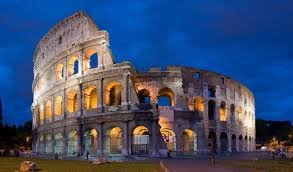
The Colosseum in Rome stands as one of the most iconic architectural masterpieces in the world. As the largest amphitheater ever constructed by the Roman Empire, it has borne witness to centuries of history, embodying the grandeur and power of ancient Rome. Beyond its historical significance, the Colosseum captivates visitors with its classical architectural beauty and monumental scale. For anyone planning a trip to Rome, this landmark is an essential stop, offering a tangible connection to the ancient world that continues to enthrall travelers from around the globe.
Visiting the Colosseum allows you to experience the majesty of Rome’s past firsthand. With a capacity of over 50,000 spectators in its prime, the arena was far more than a site for gladiatorial combat—it symbolized the empire’s might and cultural sophistication. Though today it stands mostly in ruins, the Colosseum continues to draw millions of tourists each year. Let’s explore its history, purpose, and the exciting activities you can enjoy in and around this ancient wonder.
History of the Colosseum: From Gladiatorial Arena to Global Attraction
Also known as the Flavian Amphitheatre, the Colosseum was commissioned in 72 CE by Emperor Vespasian of the Flavian dynasty. Its construction celebrated Rome’s victory over Jerusalem, serving as a symbol of imperial power. Eight years later, in 80 CE, Vespasian’s son, Emperor Titus, inaugurated the amphitheater with spectacular games that lasted for 100 days.
During its heyday, the Colosseum hosted a range of brutal spectacles that reflected the entertainment culture of ancient Rome. Gladiatorial battles were the most famous, pitting fighters against one another in life-or-death contests to thrill audiences. The arena also featured hunts of wild animals, public executions, and theatrical reenactments of Roman military victories.
However, with the fall of the Roman Empire, the Colosseum gradually lost its original function. During the Middle Ages, it was repurposed as a fortress by noble families and even served as a residential space and monastic complex. Natural disasters such as earthquakes, combined with centuries of looting, led to the collapse of many sections. Despite these changes, the Colosseum’s architectural grandeur endures, continuing to captivate millions of visitors annually.
Activities Around the Colosseum
Guided Tours and Audio Experiences
To truly understand the Colosseum’s history, architecture, and cultural significance, guided tours or audio guides are highly recommended. Guided tours offer detailed insights into the construction, historical events, and fascinating stories about Roman gladiators. Alternatively, audio guides provide flexibility, allowing visitors to explore the site at their own pace while learning about its past.
Visiting the Roman Forum and Palatine Hill
A short walk from the Colosseum, the Roman Forum and Palatine Hill offer a deeper glimpse into ancient Roman life. The Forum was the center of political, religious, and social activity, lined with temples, basilicas, and important public buildings. Palatine Hill, one of Rome’s seven hills, is traditionally considered the site of the city’s founding and provides panoramic views of the Colosseum and surrounding ruins.
Big Bus Rome Hop-On Hop-Off Tour
For a convenient way to explore Rome’s landmarks, the Big Bus Hop-On Hop-Off service is an excellent choice. It allows visitors to see multiple sites at their own pace, offering flexibility and ease of travel across the city.
Photography Opportunities
The Colosseum offers countless photographic angles. To capture the best shots with minimal crowds, visit early in the morning or late in the afternoon. Prime photo locations include the exterior from Via Nicola Salvi and the gardens on Palatine Hill, where the Colosseum can be framed against the skyline of ancient Rome.
Enjoying Italian Cuisine Nearby
After exploring the Colosseum, indulge in authentic Italian cuisine at nearby restaurants. Traditional dishes such as pasta carbonara, Roman-style pizza, and tiramisu are widely available. Recommended establishments include La Taverna dei Fori Imperiali and Aroma at Palazzo Manfredi, which provides stunning views of the Colosseum from its terrace.
Tips for a Better Visit
- Book Tickets in Advance: Colosseum tickets often sell out, especially during peak travel seasons. Online reservations are highly recommended to avoid long queues.
- Wear Comfortable Clothing and Shoes: Visiting the Colosseum and nearby archaeological sites requires a fair amount of walking, so comfortable attire is essential.
- Visit Early or Late: For a more peaceful experience and optimal lighting for photography, plan your visit in the morning or near sunset.
- Stay Hydrated: Rome’s summer heat can be intense; carrying a water bottle ensures you remain hydrated throughout your tour.
- Use eSIM or Mobile Data: To stay connected and access digital guides or maps, consider a 4G eSIM for Europe, valid in Italy and over 30 countries.
Other Historical Sites in Rome
Pantheon
Not far from the Colosseum, the Pantheon is a 2nd-century temple-turned-church known for its majestic dome and central oculus, which serves as the building’s only natural light source.
Castel Sant’Angelo
Originally built as Emperor Hadrian’s mausoleum, Castel Sant’Angelo now operates as a museum showcasing historical artifacts and providing spectacular views of the Tiber River and Vatican City.
Roman Forum
Adjacent to the Colosseum, the Roman Forum offers an immersive experience in Rome’s ancient political and social life. Explore the ruins of temples, basilicas, and public squares that were once the heart of the empire.
Conclusion
The Colosseum is more than just an ancient arena; it is a symbol of Roman ingenuity, power, and cultural legacy. From its origins as a grand amphitheater hosting gladiators and wild beasts to its current status as one of the world’s most visited historical landmarks, the Colosseum offers an unparalleled glimpse into antiquity. Combined with nearby sites such as the Roman Forum, Palatine Hill, Pantheon, and Castel Sant’Angelo, visitors can immerse themselves fully in the story of ancient Rome. Whether exploring ruins, capturing memorable photos, or savoring Italian cuisine nearby, the Colosseum promises a rich and unforgettable experience for every traveler.