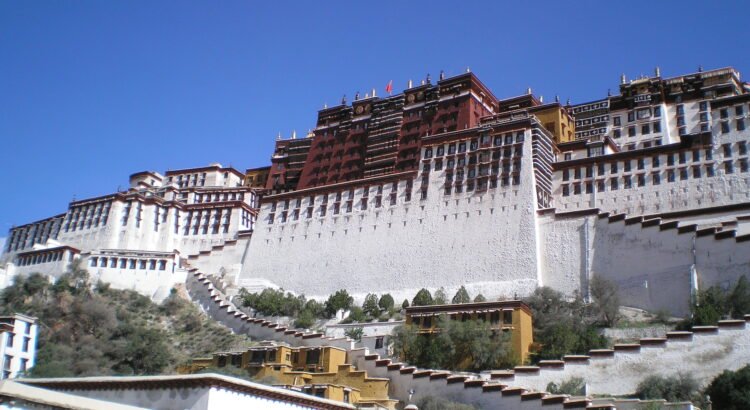
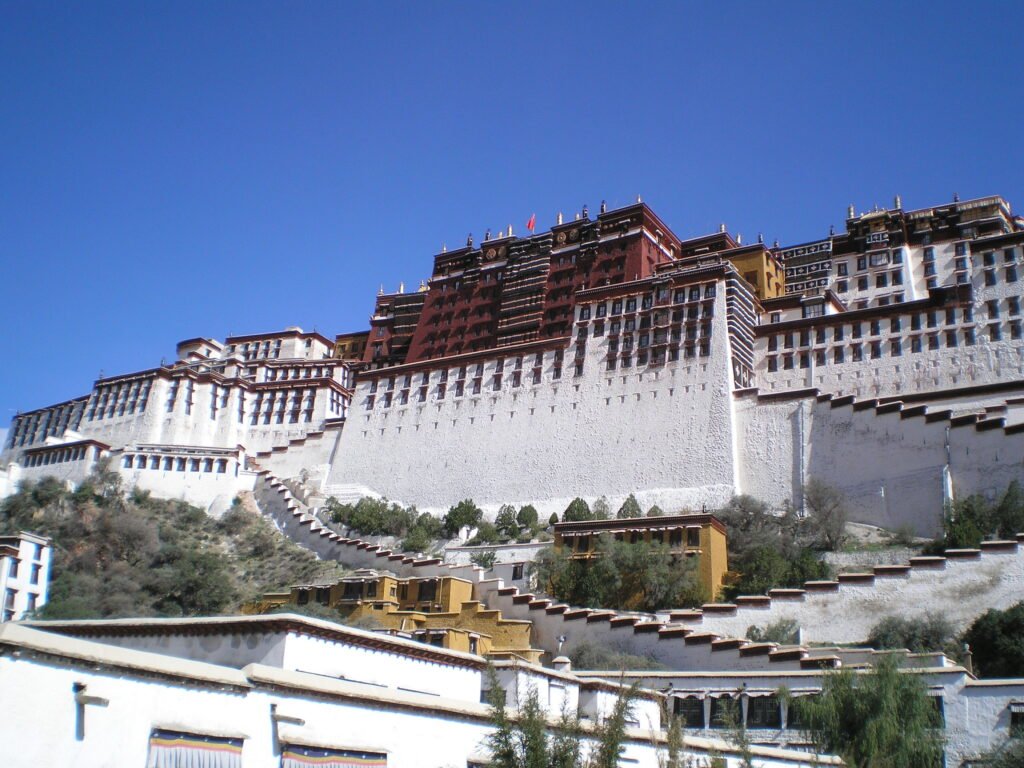
Potala Palace, perched high above the city of Lhasa in Tibet, China, stands as one of the most awe-inspiring tourist destinations in the world. Once the official residence of the Dalai Lama, this grand palace has been transformed into a UNESCO World Heritage Site, drawing visitors from around the globe. Its impressive architecture, historical significance, and panoramic surroundings make it a must-see for travelers exploring Tibet.
To ensure a smooth visit, understanding the palace’s location, ticketing system, opening hours, and travel tips is essential. Adequate preparation will enhance your experience, allowing you to fully appreciate the cultural and architectural wonders of Potala Palace.
Location and How to Get There
Potala Palace is strategically located in the heart of Lhasa, occupying a commanding position atop a hill, making it visible from almost any point in the city. Its official address is 35 Beijing Middle Road, Chengguan District, Lhasa, Tibet, China.
Visitors can reach the palace by taxi from their hotels or by joining guided tours, which is highly recommended. Traveling to Tibet generally requires coordination through licensed travel agencies, as they handle necessary permits, transportation, and local logistics to ensure a hassle-free experience.
Opening Hours and Ticket Information
The palace is open to the public daily, but daily visitor numbers are limited to preserve the structure and its interiors. Typically, visiting hours run from 9:00 AM to 4:00 PM local time, though these can vary depending on the season or special conditions.
Ticket prices are seasonal. During peak season, from May 1 to October 31, the standard entry fee is ¥200 per person. In the off-season, between November 1 and April 30, tickets cost ¥100 per person. Due to high demand and limited availability, it is strongly advised to book tickets well in advance through authorized tour agencies.
Activities Not to Miss at Potala Palace
Exploring the Palace Interiors
A visit to Potala Palace offers the chance to wander through its historic halls and chambers. The palace is divided into two main sections: the White Palace and the Red Palace. The White Palace served as the administrative area, showcasing grand architectural design, while the Red Palace contains sacred halls, golden Buddha statues, and mausoleums of previous Dalai Lamas.
Visitors should be prepared for a physically demanding tour, as the palace is multi-leveled, requiring the ascent of numerous staircases. Each step reveals intricate Tibetan craftsmanship and colorful decorations, allowing for an immersive historical and cultural experience.
Enjoying Panoramic Views
From the upper levels of Potala Palace, visitors are treated to breathtaking views of Lhasa city. The sweeping vistas include the surrounding hills, urban landscape, and distant mountains, offering exceptional photo opportunities. Capturing the cityscape against the backdrop of the palace’s intricate architecture provides a memorable visual record of your journey.
Appreciating Tibetan Architecture and Artifacts
Inside the palace, visitors can admire the detailed design elements unique to Tibetan architecture, including ornate carvings, frescoes, and sacred relics. The on-site museum exhibits ancient artifacts that narrate the history of Tibet and its spiritual heritage, providing visitors with a comprehensive understanding of the palace’s significance.
Tips for a Comfortable Visit
Acclimatize to the Altitude
Potala Palace sits at approximately 3,700 meters above sea level, making altitude sickness a potential concern. Visitors are advised to rest adequately before their visit, stay hydrated, and pace themselves during the tour to prevent discomfort.
Dress and Footwear
Given the number of stairs and the palace’s elevation, comfortable footwear is essential. Warm clothing is also recommended, as temperatures in Lhasa can be chilly, particularly in the mornings and evenings.
Follow the Rules
Certain areas of the palace restrict photography to preserve sacred spaces. Visitors should respect all signage and guidelines provided by staff to ensure both safety and cultural sensitivity.
Iconic Photo Spots
For travelers eager to capture stunning images for social media, several locations stand out. The main entrance of Potala Palace provides a perfect frame of the palace’s grandeur against a clear blue sky. Sunrise and sunset times are especially dramatic, casting warm light over the palace walls.
Another photogenic location is the reflection pool located at the palace’s base, which creates a mirror image of the building on the water’s surface. Inside the palace, visitors can photograph architectural details where allowed, providing intricate shots of Tibetan artistry and sacred relics.
Conclusion
A visit to Potala Palace is more than just a sightseeing trip—it is a journey into Tibet’s spiritual and cultural heart. With its majestic architecture, panoramic views of Lhasa, and rich historical significance, the palace promises a truly unforgettable experience.
Proper planning, including understanding ticketing, scheduling, and travel tips, ensures that your visit is smooth and enjoyable. Whether admiring the Red Palace’s golden statues, exploring the White Palace’s administrative halls, or capturing the perfect sunrise photograph, Potala Palace offers moments that will remain etched in your memory.
For anyone seeking an immersive adventure in Tibet, Potala Palace is an unmissable destination, combining history, spirituality, and breathtaking scenery in one extraordinary experience.