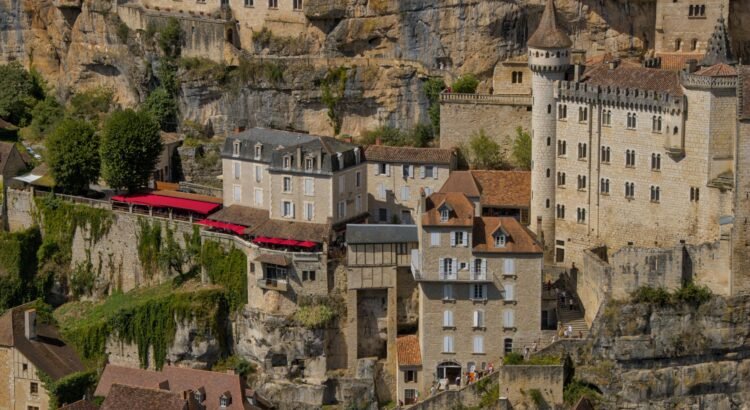
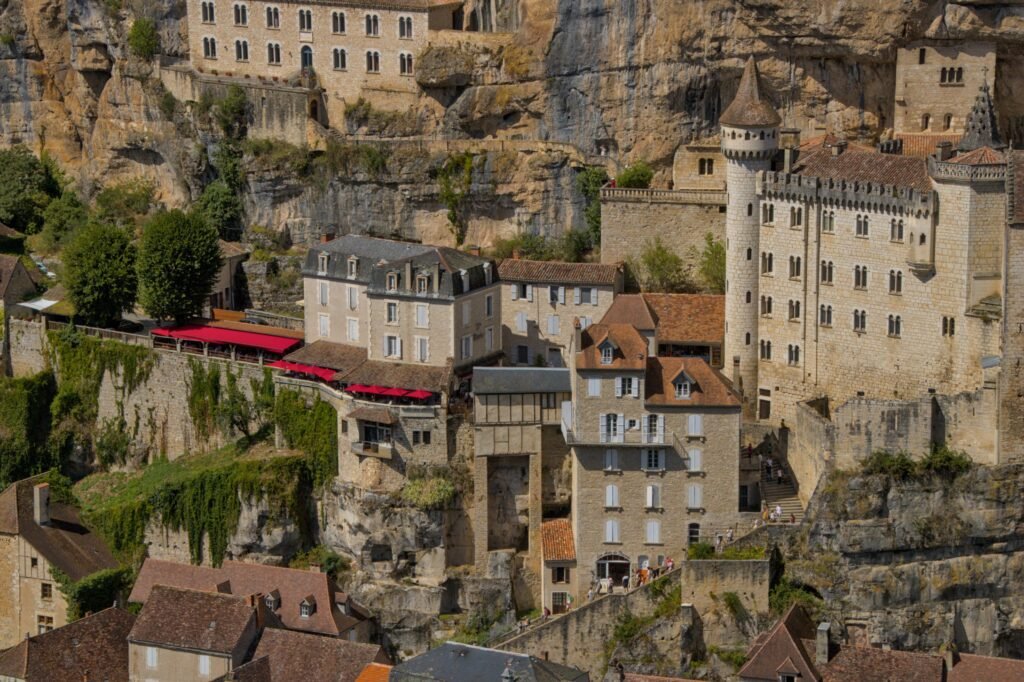
Nestled in the southwest corner of France, Dordogne—also historically known as Périgord—is a region that captivates travelers with its stunning natural landscapes, rich history, and remarkable cultural heritage. Flowing through this picturesque region is the Dordogne River, which has long shaped the lifestyle and traditions of its inhabitants. From prehistoric cave paintings to medieval castles and charming riverside villages, Dordogne offers a diverse and immersive experience for visitors seeking both relaxation and exploration.
Exploring Prehistoric Cave Art in the Vézère Valley
The Vézère Valley: A Window into the Past
One of Dordogne’s most extraordinary attractions is the prehistoric cave art located in the Vézère Valley. This valley contains over 150 archaeological sites, including 15 caves featuring remarkable paintings and engravings from the Paleolithic era. These ancient artworks depict animals such as bison, deer, horses, mammoths, and even human figures, some dating back approximately 17,000 years. They are among the oldest known artworks in human history, offering a fascinating glimpse into early human creativity and expression.
The Lascaux Caves
The Lascaux Cave, near the village of Montignac, is one of the most famous sites in the region. The cave houses more than 600 animal paintings spread across four main chambers. Due to damage caused by humidity and carbon dioxide, the original cave has been closed to the public since 1963. However, visitors can explore Lascaux II, a meticulously crafted replica opened in 1983 that replicates the two principal chambers, including the Hall of Bulls and the Painted Gallery.
Other Accessible Caves
Apart from Lascaux, Dordogne features several other caves that remain open to visitors, including Font-de-Gaume, Rouffignac, and Les Combarelles. These caves offer a broader range of artwork, from human handprints and facial depictions to geometric symbols. Many carvings and engravings illustrate animals in intricate detail, demonstrating the sophisticated techniques employed by prehistoric peoples. Visitors must reserve tickets in advance and follow guided tours, which provide historical context and explanations of the significance of the paintings. Photography and touching the artworks are strictly prohibited to preserve these ancient treasures.
Canoeing and Kayaking Along the Dordogne River
Experiencing Dordogne by Water
A highly recommended way to appreciate the Dordogne region is by canoeing or kayaking along the river itself. Stretching approximately 500 kilometers, the Dordogne River flows from the Auvergne mountains to the Atlantic Ocean. Its calm, clear waters make it suitable for paddlers of all skill levels.
Scenic Routes and Riverside Villages
One notable route begins in La Roque-Gageac, often cited as one of France’s most picturesque villages. Nestled along the riverbank beneath limestone cliffs, the village is characterized by stone houses and exotic gardens filled with palms, bamboo, banana plants, and cacti. A 15-kilometer paddle downstream brings travelers to Beynac-et-Cazenac, passing breathtaking scenery such as rolling hills, colorful fields, and pine forests. Along the river, historic castles like Castelnaud, Beynac, Fayrac, and Marqueyssac rise majestically atop cliffs, bearing witness to the region’s turbulent history, including battles between France and England during the Hundred Years’ War.
Relaxation and Picnics
Canoeing along the Dordogne also provides opportunities for swimming in the river’s refreshing waters and enjoying riverside picnics. Local markets offer fresh bread, cheese, ham, and regional wines, allowing visitors to savor the authentic flavors of the area while soaking in the natural beauty. This blend of adventure, relaxation, and gastronomy makes a river journey in Dordogne truly unforgettable.
Staying in Charming Countryside Cottages
Rural Accommodation Experience
A highlight of visiting Dordogne is staying in a countryside cottage, offering comfort and tranquility amidst expansive fields and gardens. These cottages are typically equipped with bedrooms, bathrooms, kitchens, living areas, and private gardens. Their rustic yet elegant decor often features natural materials such as wood, stone, and fabric, creating a cozy and authentic atmosphere.
Personalized Hospitality
Booking through platforms like Airbnb allows travelers to enjoy warm hospitality from local owners, who may provide welcome gifts such as fresh fruit, honey, preserves, or bread. Staying in such cottages offers a unique chance to interact with local residents, learn about regional customs, and gain insights into lesser-known attractions. Visitors can enjoy reading, cooking, or simply relaxing outdoors, making their stay a peaceful retreat from busy city life.
Practical Tips for Visiting Dordogne
Getting There
To reach Dordogne, travelers can fly into Bordeaux or Toulouse airports and continue by train or bus to major towns like Périgueux, Bergerac, or Sarlat-la-Canéda.
Transportation Options
For greater flexibility, renting a car or motorcycle is recommended, allowing visitors to explore the countryside at their own pace. Bicycles are also available in many villages, providing an eco-friendly and leisurely way to navigate the scenic roads.
Culinary Delights
Dordogne is famed for its regional cuisine. Visitors should try local specialties such as foie gras, confit de canard (duck cooked in its own fat), black truffles, walnuts, and cabécou (goat cheese). The region is also known for its wines, including Bergerac, Monbazillac, and Pécharmant. Dining in local restaurants allows travelers to experience authentic flavors and the warm hospitality of the area.
Cultural Exploration
History enthusiasts can visit various museums to deepen their understanding of the region’s past. Highlights include the National Prehistoric Museum in Les Eyzies-de-Tayac-Sireuil, the Museum of Art and Folk Traditions in Le Bugue, and the Museum of Sacred Art in Périgueux. These institutions provide rich insights into the prehistoric, artistic, and cultural heritage of Dordogne.
Conclusion
Dordogne offers a perfect combination of natural beauty, historical richness, and cultural experiences. From the remarkable prehistoric cave art of the Vézère Valley to the scenic Dordogne River and the charming countryside cottages, the region provides an unforgettable journey through time and nature. Visitors can explore ancient caves, paddle along serene waters, wander through picturesque villages, enjoy local cuisine, and immerse themselves in the heritage of one of France’s most enchanting regions. For travelers seeking both adventure and relaxation, Dordogne is a destination that promises lasting memories and a deep appreciation for the artistry and history of southwestern France.