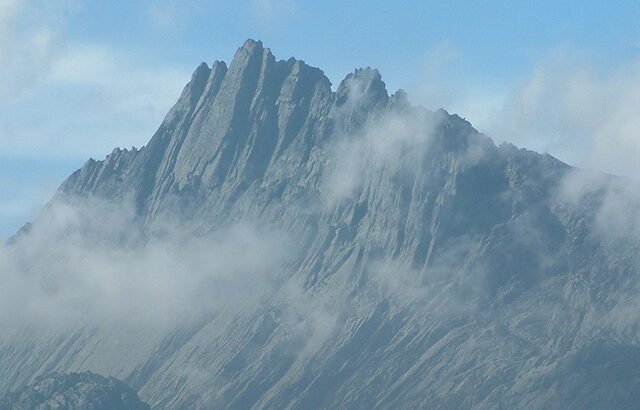

Carstensz Pyramid, also known as Puncak Jaya, holds the distinction of being the highest peak in Indonesia and one of the most formidable mountains worldwide. Its extreme conditions and unpredictable weather attract climbers from across the globe, eager to test their skills on this legendary summit. The combination of rugged terrain, glaciers, and technical climbing makes Carstensz Pyramid a destination exclusively for highly skilled and determined adventurers.
Where is Carstensz Pyramid Located?
Despite Indonesia’s tropical climate, Carstensz Pyramid stands in the snow-capped heights of Central Papua, specifically in Mimika Regency. Part of the Jayawijaya Mountains, this peak was first sighted in 1623 by Dutch explorer Jan Carstensz, who marveled at its icy summit—a stark contrast to the country’s otherwise warm and humid environment.
The first successful ascent occurred decades later, in 1962, led by Austrian mountaineer Heinrich Harrer. Today, Carstensz Pyramid is recognized as part of the Seven Summits, a prestigious list that includes the highest mountains on each continent, making it a coveted goal for elite climbers worldwide.
How to Climb Carstensz Pyramid
Carstensz Pyramid is renowned internationally for its challenging terrain, stunning glaciers, and unique natural beauty. Reaching the summit requires not only physical endurance but also advanced technical climbing skills. Steep rock faces, fluctuating weather below zero degrees Celsius, and unpredictable conditions demand meticulous preparation.
Accessing the basecamp itself is a major challenge. Due to dense tropical forests and remote terrain, climbers can either undertake an arduous eight-day trek through mud-filled jungles, leech-infested paths, and steep inclines, or opt for a helicopter ride. These two main approaches are:
- Illaga Route: An eight-day overland journey through Illaga’s rugged terrain, eventually reaching basecamp.
- Yellow Valley Route: A quicker approach using a helicopter to reach basecamp in the Yellow Valley.
Essential Tips for Climbing Carstensz Pyramid
1. Understand the Route and Weather
A comprehensive understanding of the mountain’s routes and weather patterns is crucial. Climbers should monitor forecasts for several days before the ascent and continue checking conditions throughout the expedition. Familiarity with key points, potential hazards, and rest locations is essential to maintain safety during the climb.
2. Ensure Physical and Mental Readiness
Maintaining peak physical condition is mandatory for Carstensz Pyramid. Climbers should engage in cardiovascular training, running, and cycling to build stamina and resilience. Adequate nutrition, focusing on protein and energy-rich foods, supports endurance during the demanding climb.
Equally important is mental preparation. Developing a positive mindset helps manage stress caused by sudden weather changes, challenging climbs, or moments of uncertainty. Mental strength can be the deciding factor in safely reaching the summit.
3. Choose Appropriate Gear
Proper equipment is a lifeline on Carstensz Pyramid. Climbers should carry functional and durable gear, including:
- Protective clothing for sub-zero temperatures
- Medical supplies for emergencies
- Climbing hardware for steep rock faces
- Reliable boots and gloves for traction and safety
Regularly checking and maintaining equipment ensures it performs reliably when needed most.
4. Maintain Clear Team Communication
Climbing Carstensz Pyramid requires strong teamwork and clear communication. Establishing roles, responsibilities, and shared goals enhances safety and cohesion. Constant communication allows the team to respond effectively to emergencies, navigate challenging terrain, and provide mutual support throughout the ascent.
5. Learn from Experienced Climbers
Gathering insights from those who have previously conquered Carstensz Pyramid is invaluable. Reading articles, watching videos, attending seminars, and joining mountaineering communities provide crucial knowledge about route conditions, weather challenges, and survival strategies. Learning from others’ experiences prepares climbers both mentally and practically, reducing risks and enhancing success rates.
Challenges of Climbing Carstensz Pyramid
Extreme Weather Conditions
The mountain’s unpredictable climate poses a significant risk. Sudden snowstorms, freezing temperatures, and high winds require climbers to remain vigilant at all times. Proper gear and constant weather monitoring are critical to avoid life-threatening situations.
Difficult Terrain
Carstensz Pyramid features steep rock walls, narrow ledges, and glacial ice. Technical climbing skills are essential, and even experienced climbers must proceed cautiously. Preparation and familiarity with climbing techniques significantly reduce the risk of accidents.
Remote Location
Reaching basecamp without a helicopter is an expedition in itself. Navigating eight days of tropical forest and treacherous terrain demands endurance, careful planning, and a well-coordinated support team.
Conclusion
Carstensz Pyramid stands as Indonesia’s ultimate climbing challenge, offering unmatched adventure, breathtaking views, and a test of both physical and mental strength. From its discovery by Jan Carstensz to its place among the Seven Summits, the mountain’s allure remains undeniable. Climbers must prepare meticulously—physically, mentally, and logistically—to safely navigate its extreme weather, technical terrain, and remote access routes. For those daring enough to attempt it, Carstensz Pyramid promises a once-in-a-lifetime experience that is as rewarding as it is demanding, solidifying its status as a legendary peak in the global mountaineering community.