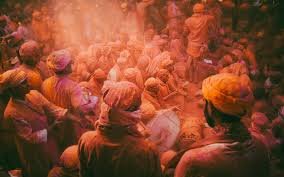
Travel offers more than just sightseeing; it is an opportunity to dive into the customs, traditions, and vibrant lifestyles of different cultures. Among the multitude of festivals around the world, India’s Holi Festival stands out as a truly unforgettable cultural experience. Known as the Festival of Colors, Holi is a celebration that transcends age, caste, and religion, bringing people together through playful colors, music, and dance. Experiencing Holi allows travelers to witness India’s exuberant spirit and understand how traditions can foster unity and joy in communities.
Understanding Holi
What is Holi?
Holi is a Hindu festival celebrated primarily in India and Nepal, marking the arrival of spring and the victory of good over evil. Traditionally, the festival lasts for two days: the first day, Holika Dahan, involves lighting bonfires to symbolize the burning of evil spirits, while the second day, Rangwali Holi, is the famous color-filled celebration. Participants throw powdered colors (gulal) and water at each other, dance to traditional music, and enjoy festive foods. This ritualistic yet playful approach reflects India’s unique ability to merge spirituality with communal celebration.
The Cultural and Spiritual Significance
At its core, Holi represents renewal, forgiveness, and social harmony. The festival encourages people to let go of past grievances and embrace unity and friendship. Families, neighbors, and even strangers come together to celebrate, creating an atmosphere of inclusivity and joy. For travelers, witnessing Holi offers a glimpse into India’s deeply ingrained cultural values—where spirituality, community, and celebration coexist seamlessly.
Experiencing Holi
Preparations and Festivities
Preparation for Holi begins weeks in advance. Markets fill with colorful powders, water balloons, and festive sweets like gujiya and thandai. Temples and streets are adorned with decorations, and communities organize gatherings for the festival. Travelers can immerse themselves by participating in these preparations, sampling traditional foods, and learning about the symbolic meanings behind each ritual. The anticipation and energy surrounding Holi make the experience truly unique, offering more than just a visual spectacle.
The Colorful Celebrations
On the day of Rangwali Holi, the streets come alive with an explosion of colors. People of all ages smear each other with bright powders, dance to the beat of drums and folk songs, and share laughter and greetings. For outsiders, this may seem chaotic, but it is a carefully balanced display of joy, freedom, and cultural expression. Travelers who join in can feel an unparalleled sense of connection to the local community, participating in a centuries-old tradition that emphasizes fun, spontaneity, and togetherness.
Music, Dance, and Street Rituals
Music and dance are integral to Holi celebrations. Traditional songs, accompanied by drums (dhol), create a rhythm that inspires dancing in streets and open spaces. Communities often organize local performances, where folk dances tell stories of mythology and heroism associated with Holi. Observing or participating in these performances allows visitors to appreciate India’s rich cultural tapestry, where music and movement serve as mediums for storytelling and social bonding.
Lessons from Holi
Embracing Joy and Connection
Holi teaches participants to embrace joy, spontaneity, and human connection. By temporarily breaking social norms and encouraging interactions between people of different backgrounds, the festival fosters empathy and communal harmony. Travelers experiencing Holi often find themselves immersed in an environment that prioritizes human connection over rigid structure, offering a refreshing perspective on social engagement and cultural celebration.
Cultural Respect and Mindfulness
While Holi is exuberant and playful, cultural sensitivity is crucial. Travelers must respect local customs, understand the significance of rituals, and follow guidelines for participation. Observing the festival with mindfulness allows visitors to gain authentic cultural insights while honoring the traditions of the community. This encounter emphasizes the importance of approaching foreign customs with curiosity, humility, and respect—an essential lesson for any traveler seeking meaningful experiences.
Conclusion
India’s Holi Festival is far more than a vibrant spectacle of colors; it is a profound cultural experience that encapsulates the essence of community, spirituality, and joy. Participating in or observing Holi provides travelers with a rare opportunity to engage deeply with Indian traditions, gaining insight into values that prioritize unity, renewal, and shared happiness. Beyond the excitement of colors and music, Holi imparts valuable lessons about connection, celebration, and cultural mindfulness. For anyone seeking a truly unique cultural encounter, experiencing Holi in India promises an unforgettable journey of joy, discovery, and human connection.