When planning a trip to Japan, one question often arises: How much is the admission fee to the Hiroshima Peace Memorial? This historical landmark is not only affordable but also invaluable as an educational destination. The memorial serves as a lasting reminder of the world’s first atomic bombing, making it a must-visit site for anyone seeking a deeper understanding of history, peace, and resilience.
The Hiroshima Peace Memorial and its surrounding park were created to preserve the memory of the tragic events of August 6, 1945, and to inspire a global commitment to peace. Through exhibitions, preserved ruins, monuments, and symbolic memorials, the site offers visitors a chance to reflect on the destructive power of war while embracing the hope of a future without nuclear weapons.
Ticket Prices and Accessibility
Affordable Entry for Everyone
One of the notable aspects of the Hiroshima Peace Memorial is its accessibility. Admission fees are designed to be reasonable so that people of all ages and backgrounds can learn from this site. Adults are charged 200 yen, while student tickets cost 100 yen. Groups of 30 or more adults receive discounted tickets at 160 yen per person, and student groups of 20 or more are granted free entry. Furthermore, children of junior high school age and younger can enter free of charge.
Operating Hours
The museum has seasonal opening times. Currently, it operates from 8:30 a.m. to 6:00 p.m., but schedules may vary throughout the year. Visitors should check ahead of their visit to confirm the opening hours.
How to Reach the Site
Located at 1-2 Nakajima-cho, Naka-ku, Hiroshima City, the memorial stands within Peace Memorial Park, southwest of Hiroshima Station.
- By Streetcar: From Hiroshima Station, take Line 2 or 6 to the Genbaku-Domu Mae stop (approx. 15 minutes).
- On Foot: Walking from Hiroshima Station takes around 35 minutes, offering a chance to enjoy the city along the way.
Historical Background
The Atomic Dome (Genbaku Dome)
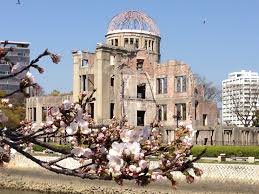
Perhaps the most iconic structure within the park is the Atomic Bomb Dome, or Genbaku Dome. Originally built in 1914 as the Hiroshima Prefectural Industrial Promotion Hall, it was designed with earthquake-resistant architecture and crowned with a copper dome. On August 6, 1945, the building was nearly directly beneath the atomic bomb’s hypocenter. While much of Hiroshima was reduced to ashes, the dome’s skeletal remains endured.
Recognized as a UNESCO World Heritage Site in 1996, the dome has become a global symbol of peace and anti-nuclear advocacy. Standing before it, visitors are reminded of both the horrors of war and humanity’s resilience.
Aioi Bridge: The Target
Another significant site is the Aioi Bridge, a T-shaped structure that was used by the American B-29 bomber Enola Gay as a target for the atomic strike. Though the bomb detonated slightly off target, the bridge still plays an essential role in understanding the bombing’s geography and its aftermath.
Key Highlights of the Peace Memorial Park
Hiroshima Peace Memorial Museum
The museum houses a sobering collection of photographs, survivor testimonies, artifacts, and restored items. Mannequin displays and artwork convey the human suffering caused by the bombing. The experience is emotionally heavy, yet essential for understanding the devastation and the urgent call for peace. Visitors are often encouraged to record their reflections immediately after the tour—a way of processing the intense emotions stirred by the exhibits.
National Peace Memorial Hall for the Atomic Bomb Victims
Opened in 2002, this hall was designed by architect Kenzo Tange. It is dedicated to all victims of the bombing and contains their names and portraits. A panoramic walkway leads into the hall, creating a powerful and reflective experience for visitors.
Peace Memorial Park Grounds
Spread across 120,000 square meters, the park is filled with trees, lawns, statues, and monuments. It is both a place of mourning and a sanctuary of calm. Among its landmarks are the Cenotaph, Peace Flame, and various memorials dedicated to different groups of victims.
Monuments of Peace
The Cenotaph
This arched monument contains the names of more than 300,000 people who perished due to the atomic bomb. It is carefully positioned to frame the Peace Flame and Atomic Dome, creating a poignant alignment. Every year on August 6, the Hiroshima Peace Memorial Ceremony is held here, and lanterns carrying messages of peace are floated down the river.
The Peace Flame
This eternal flame, first lit in 1964, is shaped to resemble a pair of hands extended upward. It will continue burning until all nuclear weapons are abolished worldwide. The fire symbolizes not only remembrance but also humanity’s enduring hope for peace.
The Children’s Peace Monument
Dedicated to the memory of children who lost their lives due to the bombing and its aftermath, this monument features a statue of Sadako Sasaki, a young girl who succumbed to leukemia caused by radiation exposure. Sadako is remembered for folding over 1,000 paper cranes in her wish for recovery. Today, paper cranes sent from around the world surround the monument as symbols of hope and solidarity.
The Memorial Mound
This grassy mound holds the ashes of around 70,000 unidentified or unclaimed victims. Even today, efforts are made to identify these remains, and once a year, local newspapers publish newly discovered names. The mound stands as a somber reminder of the immense human loss.
Is Hiroshima Still Radioactive?
Many first-time visitors wonder if Hiroshima remains radioactive. The answer is reassuring: no. Radiation levels in Hiroshima today are as low as natural background radiation found elsewhere in the world, making it a completely safe place to visit.
Conclusion
Visiting the Hiroshima Peace Memorial is not simply about sightseeing—it is an emotional and reflective journey. Each corner of the park, from the Atomic Dome to the Cenotaph and the Children’s Monument, tells a story of tragedy, resilience, and the universal longing for peace.
Though heartbreaking, the experience is essential. By walking through the memorial, visitors gain a deeper appreciation of history and are reminded of the responsibility to ensure that such devastation never occurs again. More than a museum or park, Hiroshima Peace Memorial stands as a timeless beacon of remembrance and hope for a world without nuclear weapons.