When travelers think of Sumatra, Lake Toba often comes to mind as one of Southeast Asia’s most striking natural attractions. Yet, the experience becomes even more extraordinary when you venture to the island in the middle of the lake and explore Mount Toba. This volcanic region offers breathtaking views, from vast blue skies and expansive waters to lush green forests that seem untouched. Whether you’re an adventure seeker or a nature enthusiast, planning a trip to Mount Toba promises a unique and unforgettable journey. Before embarking, it’s essential to understand the history, attractions, and practical tips for visiting this magnificent region.
The History of Mount Toba’s Eruptions
Lake Toba, situated in North Sumatra, is renowned as the largest lake in Southeast Asia and one of the deepest in the world, with a depth reaching 529 meters and an area exceeding 1,130 square kilometers. Its existence is directly linked to the massive eruptions of Mount Toba, which formed the caldera that became the lake.
The lake we see today resulted from three major volcanic eruptions. The first eruption occurred around 800,000 years ago, creating a southern caldera. The second eruption, about 500,000 years ago, formed the northern caldera. The final eruption was the largest, dramatically reshaping the region into the Lake Toba caldera we know today.
Currently, Mount Toba is in a dormant phase and classified as a Type B volcano, though scientists acknowledge that it retains the potential to erupt in the future.
Global Impact of the Supervolcanic Eruption
The massive eruption of Mount Toba did more than create a gigantic caldera; it had profound global consequences. Anthropologist Stanley Ambrose suggested in the late 1990s that the volcanic winter triggered by this eruption significantly reduced human populations. Only an estimated 2,000 to 20,000 individuals survived, marking one of the most dramatic population bottlenecks in human history.
Furthermore, the eruption caused tsunamis across various regions and released volcanic ash into the atmosphere for nearly six years, leading to a notable global temperature drop. These environmental effects resulted in extreme climate changes and shaped ecosystems worldwide.
How to Reach Mount Toba
Reaching Mount Toba requires a journey from Medan, the nearest major city, which typically takes 5–6 hours by road, depending on traffic conditions. The primary route connecting Medan to Parapat is well-maintained and can be accessed by bus, rental car, or other public transport options.
Once at Lake Toba, visitors must cross over to Samosir Island, located at the center of the lake. Ferries and motorboats link several points around the lake, making it convenient for tourists to explore different destinations on the island.
Attractions Around Mount Toba
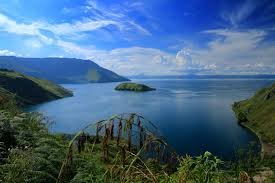
The Stunning Scenery of Lake Toba
One of the primary draws of Mount Toba is the view itself. From the highlands, the lake stretches into the horizon with pristine, clear waters surrounded by towering green mountains. The scenery is especially breathtaking when viewed from elevated points around the volcano, making it a haven for nature photographers and outdoor enthusiasts alike.
Cultural Heritage of the Batak People
Lake Toba is not only a natural marvel but also a cultural hub. Samosir Island, situated in the middle of the lake, is the cultural heart of the Batak people. Tourists can visit Ambarita Village, known for its ancient stone chairs used for judicial purposes, and Tomok Village, home to the tomb of King Sidabutar and a museum highlighting Batak traditions. Huta Bolon Simanindo Museum offers insights into Batak arts, music, and traditional dances, allowing visitors to connect deeply with local heritage.
Outdoor Activities and Adventure
The region around Mount Toba offers a range of outdoor activities, including hiking, trekking, and cycling around Samosir Island. Trails through mountains and tropical forests provide mesmerizing vistas and opportunities to visit local villages. Travelers can also sample authentic Batak cuisine, such as arsik, saksang, and grilled fish, at lakeside restaurants and cafes, further enriching the cultural experience.
Water Activities and Natural Adventures
Water-based activities are another highlight. Tourists can swim, paddle, or explore the lake by boat. Notable waterfalls, such as Sipiso-piso and Binangalom, provide thrilling hiking opportunities and spots for swimming in natural pools. These waterfalls offer both adventure and serenity, making them ideal for nature lovers seeking a complete outdoor experience.
Tips for Visiting Mount Toba and Lake Toba
Maintain Physical Fitness
Given the range of activities—from trekking to hiking—ensure you are in good physical condition. Regular exercise beforehand can enhance endurance and enjoyment. Bring personal medications if necessary, particularly for those with specific health concerns.
Check Weather Conditions
Always review the weather forecast before traveling. The highlands and lake areas can be chilly, especially at night, and sudden rain may affect hiking trails and lake activities. Prepare suitable clothing, including jackets and layers for outdoor adventures.
Plan Accommodation in Advance
To avoid complications, especially during peak tourist seasons, book accommodations ahead of time. Lake Toba offers a variety of options, from luxury hotels to local homestays on Samosir Island. Choose lodging based on your preferences, budget, and proximity to main attractions.
Prepare a Detailed Itinerary
Lake Toba provides numerous experiences, including boating, hiking, visiting waterfalls, and exploring cultural sites. Prioritize must-see locations like Sipiso-piso Waterfall, Ambarita Village, and Tomok Village. Consider cycling or walking to immerse yourself fully in the island’s scenic beauty and local culture.
Conclusion
Mount Toba and Lake Toba represent a unique blend of natural wonder, historical significance, and cultural richness. From panoramic views of the lake and lush forests to the vibrant heritage of the Batak people, the region offers a multifaceted travel experience. Proper planning, including fitness preparation, weather awareness, accommodation arrangements, and activity scheduling, ensures a smooth and rewarding visit. By embracing both the natural and cultural aspects, travelers can fully appreciate the splendor and legacy of one of Indonesia’s most extraordinary destinations.