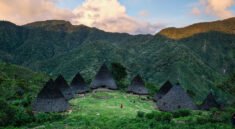
Nestled in the Dieng Plateau of Central Java, Indonesia, Mount Prau stands as one of the region’s most captivating natural destinations. Rising to an altitude of approximately 2,565 meters above sea level, it attracts hikers, adventurers, and nature enthusiasts alike. The mountain offers breathtaking landscapes, from lush green savannas to vast blue skies, creating a picturesque backdrop for those seeking tranquility and adventure. Its relatively moderate elevation makes it an accessible yet rewarding challenge for both novice and experienced trekkers.
Historical and Cultural Significance
Mount Prau is deeply intertwined with the history of the Dieng Plateau. This highland region is rich in cultural heritage and has been an important site for the Hindu Javanese community for centuries. Numerous ancient temples and archaeological sites scattered across the plateau testify to the area’s historical significance. Dieng was also believed to be a retreat for ascetic priests and hermits in ancient times.
Although Mount Prau itself lacks extensively documented historical records, it holds a central place in the local culture. Residents regard it with admiration and respect, often symbolizing strength and the majesty of nature. Over recent years, Prau has grown in popularity as a trekking destination, attracting both domestic and international visitors. Its accessible trails and panoramic views make it an appealing adventure for outdoor enthusiasts.
Popular Hiking Routes
Mount Prau offers several trekking paths, each with unique features and varying levels of difficulty. Here is a comprehensive overview of the most popular routes.
1. Patak Banteng Trail
The Patak Banteng route is ideal for first-time hikers and those seeking a moderate climb. Starting from Patak Banteng village near Wonosobo, Central Java, this trail is one of the most frequented paths up Mount Prau. Hikers traverse shaded forests, local farmland, and well-marked trails. Although some sections are steep enough to induce a short breathlessness, the route remains enjoyable for beginners.
Upon reaching the summit, trekkers are rewarded with spectacular views of neighboring peaks such as Mount Sindoro and Mount Sumbing. On favorable days, a sea of clouds adds a magical touch to the landscape. The Patak Banteng trail also accommodates camping enthusiasts, providing scenic spots to witness sunsets and the starry sky.
2. Kalilembu Trail
For those seeking solitude and a more challenging trek, the Kalilembu route presents an excellent alternative. Originating from Kalilembu village, this trail meanders through dense, untouched forest and requires hikers to cross the Kali Lembu river, adding a touch of adventure. The path is ideal for hikers looking to immerse themselves in nature and enjoy a more demanding climb.
This route typically takes about 3 hours and 20 minutes, excluding rest breaks. Along the way, trekkers encounter diverse vegetation and, with some luck, may spot wildlife inhabiting the forest. The Kalilembu trail offers a refreshing experience, connecting hikers closely with the mountain’s natural environment.
3. Dieng Wetan Trail
The Dieng Wetan route is one of the easiest and most accessible ways to reach the summit. Starting from Dieng Wetan village, this path is relatively short and less strenuous, making it perfect for beginners who want to experience mountain hiking without overexertion.
Along the trail, hikers enjoy scenic views of farmland, rolling hills, and lush forests. The well-maintained paths ensure a comfortable journey, making this route an attractive choice for those seeking a leisurely climb while taking in the natural beauty of Mount Prau.
4. Campurejo Trail
The Campurejo route begins in Campurejo village, offering a friendly and manageable climb. Hikers pass through green forests, clear pathways, and small streams, with several resting spots available along the way. The route is popular for its accessibility and adequate facilities.
Reaching the summit rewards trekkers with sweeping views of dense forests, surrounding mountains, and misty valleys. The Campurejo trail is ideal for those seeking a scenic yet comfortable hike, providing a balance of adventure and relaxation.
5. Wates Trail
For beginner hikers, the Wates route presents a gentle ascent, making it an excellent option for first-time climbers. The trail begins at Wates Basecamp in Wonoboyo, Temanggung, and covers a total distance of approximately 4.7 kilometers to the summit. Typically, hikers reach Bukit Rindu in about 2.5 hours, continuing another 15–30 minutes to the Sunrise Camp at Patak Banteng.
An optional ojek (motorbike taxi) service is available to help conserve energy from the basecamp to the first post. The Wates trail provides a manageable yet rewarding trekking experience for those new to mountain hiking.
Tips for Hiking Mount Prau
1. Pack Essential Supplies
Since Mount Prau’s trails are relatively short, carry only necessary items to maintain flexibility and reduce fatigue. Essential logistics include food, first-aid kits, and appropriate hiking gear. Energy-rich snacks like honey, chocolate, and oats, along with water or hydration supplements, are recommended. Natural springs along the trail provide water, but carrying extra supplies is advised. Don’t forget rain gear, a flashlight, and basic medication.
2. Prepare Physically and Stay Healthy
A well-prepared body is crucial for an enjoyable trek. Engage in light physical exercises, such as cardio and stair climbing, to strengthen endurance and leg muscles. For early morning climbs aimed at catching the sunrise, anticipate colder temperatures and adjust preparations accordingly. Maintaining good health ensures a smoother and safer journey.
3. Maintain the Right Mindset
Even with thorough preparation, unexpected challenges may arise. Hikers may face moments of doubt or fatigue. Trekking with supportive companions can help overcome these mental hurdles, providing motivation and reassurance throughout the climb.
4. Pace Yourself
For beginners, certain sections—particularly on the Patak Banteng trail—can be steep or near drop-offs. Safety should always take priority. In wet or slippery conditions, pause the climb and use trekking poles for support. The key is steady progress over speed.
5. Don’t Hesitate to Rest
Fatigue can compromise safety, so never feel ashamed to take breaks. Resting ensures you maintain energy levels for the remainder of the journey, reducing risks and enhancing overall enjoyment.
Conclusion
Mount Prau is a treasure of Central Java, offering accessible trails, stunning landscapes, and rich cultural significance. From the popular Patak Banteng path to the adventurous Kalilembu route, every trail provides unique experiences and memorable vistas. Proper preparation, a positive mindset, and adherence to safety guidelines allow hikers to fully enjoy the mountain’s beauty. Whether seeking adventure, tranquility, or the magical view of sunrise over the Dieng Plateau, Mount Prau promises an unforgettable encounter with nature.