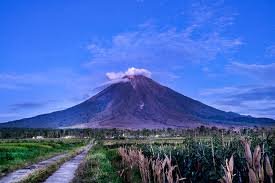
Mount Semeru, also known as Mahameru, stands as the highest peak on Java Island, Indonesia, reaching an elevation of 3,676 meters above sea level. Its majestic summit and challenging trails attract countless hikers each year. Yet, Semeru is not a mountain to be taken lightly. Many climbers have gone missing due to neglecting park regulations or failing to properly study the location and trekking routes. With careful planning, preparation, and respect for local rules, adventurers can safely experience one of Indonesia’s most iconic mountains while enjoying its breathtaking landscapes and natural treasures.
Understanding the Location and Significance of Mount Semeru
Mount Semeru is located in East Java, straddling Malang and Lumajang regencies. Geographically, it sits at approximately 8°06′ South Latitude and 112°55′ East Longitude. The mountain is part of Bromo Tengger Semeru National Park (TNBTS), a protected area known for its diverse ecosystems and volcanic landscapes.
Semeru is conveniently situated near the famous Mount Bromo, with only about a one-hour drive by jeep from Bromo to the base of Semeru. The area is home to three stunning lakes—Ranu Pane, Ranu Regulo, and Ranu Kumbolo—each offering unique scenic beauty and making the region a favorite destination for trekkers and nature enthusiasts alike.
Before attempting the climb, hikers are strongly encouraged to study the mountain’s location and trekking routes carefully. Proper preparation, both physically and mentally, is crucial, as Semeru presents a demanding challenge even for experienced climbers. Awareness and strategy are key to successfully conquering Java’s highest peak.
Trekking Routes to Mount Semeru
Mount Semeru offers multiple trekking paths, generally grouped into two main starting points: Watu Rejeng and Ranu Pane. Both beginners and experienced climbers can select routes suited to their skills and preferences. Below are nine notable trekking routes:
1. Ranu Pani – Kalimati Route
The Ranu Pani route is the most popular trail, beginning at Ranu Pani Village, situated at roughly 2,100 meters above sea level. From here, hikers pass Ranu Kumbolo, a freshwater lake renowned for its breathtaking sunrise views.
After a rest at Ranu Kumbolo, trekkers continue to Oro-Oro Ombo, a vast field adorned with lavender flowers, before proceeding to Cemoro Kandang and finally reaching Kalimati, the last basecamp before the Mahameru summit.
The trek from Ranu Pani to Kalimati takes approximately 6–8 hours, with 2–3 hours typically spent resting at Ranu Kumbolo. The final ascent to Kalimati can take an additional 3–5 hours, depending on the hiker’s stamina and weather conditions.
2. Gunung Sawur Route
The Gunung Sawur trail, starting from Lumajang, is considered one of the most challenging paths. It passes through dense forests and rocky terrain, requiring strong physical endurance and careful navigation. The trek usually takes 8–10 hours, offering hikers a unique perspective of Semeru’s eastern slopes. While demanding, the views from this route are truly rewarding.
3. Kondang Merak Route
This trail combines coastal and mountainous scenery, offering a distinct experience for hikers. Although less frequented due to its remote location, Kondang Merak presents stunning natural landscapes and a refreshing alternative for those seeking solitude. The journey typically requires 7–9 hours to complete.
4. Lumajang Route
The Lumajang route, located on Semeru’s southern side, is a rugged and relatively secluded path. Access is limited, and facilities are sparse. The trail spans several hours, demanding both mental and physical resilience. Estimated trekking time is around 10–12 hours, making early morning departures essential. Hikers are rewarded with pristine natural landscapes and a sense of tranquility far from the main routes.
5. Gubuklakah Route
Starting from Tumpang, Malang, the Gubuklakah trail is popular among climbers seeking moderate challenges. Passing through Tawon Songo checkpoints, this path is relatively easier, taking around 6–8 hours. It allows hikers to enjoy Semeru’s beauty without extreme exertion.
6. Pronojiwo Route
Pronojiwo, a less-traveled southern route, is perfect for adventurers seeking virgin wilderness. Its steep terrain and dense forests test endurance, but the reward is an extraordinary, untouched natural landscape. Trekking to Kalimati typically takes 8–10 hours, with longer durations possible depending on physical condition.
7. Ayek-Ayek Route
This challenging path requires special permission from TNBTS. With steep inclines and minimal facilities, Ayek-Ayek is suitable for experienced hikers seeking an adrenaline-fueled adventure. Completion time is around 8–10 hours.
8. Oro-Oro Ombo
Part of the Ranu Pani route, Oro-Oro Ombo features expansive lavender fields and serves as a rest area before the final ascent. The trek from Ranu Kumbolo to Kalimati via Oro-Oro Ombo takes 2–3 hours.
9. Argosari Route
Originating from Argosari Village, Lumajang, this route is known for its steep, quiet trails and limited facilities. Hikers can enjoy serene village views and untouched nature over 8–9 hours of trekking.
Essential Tips for Climbing Mount Semeru
Physical and Mental Preparation
Climbing Semeru demands strong stamina. Regular physical training, including jogging, hiking, and strength exercises, helps prepare the body for steep ascents. Mental preparation is equally vital to cope with challenging terrain and unpredictable weather.
Recommended Gear
- Clothing: Layered, quick-dry clothes suitable for cold weather, including jackets, gloves, and hats.
- Footwear: Waterproof hiking boots with good grip.
- Camping Gear: Tents and sleeping bags for overnight stays.
- Food and Cooking Equipment: Lightweight, high-calorie meals and portable stoves.
- Health Essentials: First aid kit and personal medication.
- Water and Filtration: Sufficient water supply and purification tools.
- Lighting: Headlamps or flashlights.
- Protective Gear: Buffs, masks, and gaiters to protect from volcanic dust.
Logistics Planning
- Transportation: Arrange travel to the starting point at Ranu Pani.
- Permits: Secure climbing permits at Ranu Pani or via TNBTS.
- Weather Check: Best trekking months are during the dry season, May to September.
Environmental and Safety Considerations
- Waste Management: Carry all trash back to preserve nature.
- Altitude Adaptation: Acclimate at rest points to prevent altitude sickness.
- Respect Local Culture: Follow local customs and avoid damaging natural or cultural sites.
- Emergency Communication: Keep phones or radios ready and inform others of your itinerary.
Wildlife and Flora
- Avoid picking plants and maintain a safe distance from wildlife.
- Only use fire in designated areas to prevent forest fires.
Conclusion
Mount Semeru is an emblem of adventure, natural beauty, and cultural significance in Indonesia. With its challenging trails, pristine lakes, and magnificent landscapes, it captivates every hiker who dares to ascend its slopes. Proper preparation—physically, mentally, and logistically—is essential to ensure safety and maximize the experience. By respecting local rules, understanding the trekking routes, and embracing the journey, adventurers can enjoy an unforgettable expedition to Java’s highest peak, Mahameru.