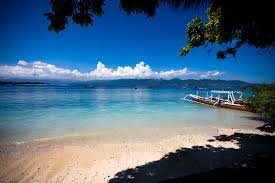
Gili Trawangan is widely recognized as one of Lombok’s most enchanting islands, drawing travelers from around the world with its pristine beaches, vibrant coral reefs, and serene tropical atmosphere. While many visitors focus solely on its scenic beauty, there are fascinating historical and cultural insights about the island that enhance the travel experience. Understanding the history, local communities, and unique attractions of Gili Trawangan can help travelers fully appreciate this island paradise.
A Glimpse into History
Origins of the Island
Gili Trawangan has a history that is both rich and complex. Originally, the Balinese Kingdom of Karang Asem aimed to extend its territory into Lombok. To achieve this, King of Bali sent Patih AA Gede Alit to occupy the region, and during this campaign, roughly 350 Sasak rebels—the indigenous people of Lombok—were exiled to Gili Trawangan due to a lack of detention facilities.
Later, in the 1870s during the Dutch colonial period, seafarers from South Sulawesi, including Wak Sokna of the Mandar Balanipa Kingdom and some Bugis sailors, settled on the island alongside the Sasak people. Their descendants, along with the Sasak, continue to inhabit Gili Trawangan today.
Naming the Island
The name “Gili Trawangan” carries intriguing origins, though no official research confirms a definitive source. One version suggests that in the Sasak language, “Gili” means small island, while “Trawangan” derives from “Terangang,” referring to the nesting of sea turtles, which were abundant on the island. Over time, the pronunciation evolved into “Trawangan.” Another version points to the Japanese occupation during World War II, when soldiers used the island as a lookout to monitor enemy ships. Locals, unfamiliar with formal Indonesian, adopted the term “Trawangan” in reference to the observation activity.
The Local Community
Indigenous Tribes
Gili Trawangan’s population is primarily composed of three ethnic groups: Bugis, Sasak, and Mandar Balanipa. Today, the Bugis and Sasak communities are the most prominent, intermarrying over generations to form a unique community known as the Busak tribe. Their language, traditions, and cultural practices differ from those of Lombok’s mainland Sasak population, offering visitors a distinctive cultural experience.
Location and Accessibility
Strategic Location
Gili Trawangan enjoys a prime location that facilitates tourism for both Lombok and nearby Bali. The island’s proximity to Lombok’s coast and its accessibility by fast boat from Bali have contributed significantly to its popularity. Tourists can easily take day trips from Bali or Lombok without the need for overnight stays, making it a favored destination for both local and international visitors.
How to Get There
- From Lombok Airport: Travelers can reach the island by driving via the Bypass to Mataram and then to Senggigi before boarding a boat from Bangsal or Teluk Nare Harbor, which takes approximately 20 minutes.
- From Bali: Fast boats depart from Padang Bay, taking roughly two hours to reach Gili Trawangan, offering a convenient extension for those finishing their Bali itinerary.
- From Lembar Harbor: Backpackers can travel from Lembar Harbor to Senggigi, then transfer via shuttle to Bangsal or Teluk Nare to catch a boat to the island.
Exploring the Marine Wonders
Coral Reefs and Underwater Life
Gili Trawangan is renowned for its exceptional underwater biodiversity. The island’s waters feature vibrant coral gardens, exotic tropical fish, sea turtles, and manta rays. Snorkeling here offers an immersive experience akin to exploring a massive natural aquarium. Rental equipment is available for a modest fee, and guided snorkeling trips often include multiple scenic spots around the island.
Diving Adventures
The island’s diving community attracts international enthusiasts, particularly due to the rare Blue Coral, found only in Gili Trawangan and the Caribbean. Numerous dive centers provide certification courses, guided trips, and equipment rental, making it accessible to both beginners and experienced divers.
Sailing to Komodo
For those seeking a more extended maritime adventure, sailing trips from Gili Trawangan to Komodo Island are available. These tours provide a unique opportunity to explore the famous Komodo National Park while enjoying luxury sailing experiences along Indonesia’s eastern waters.
Transportation on the Island
Gili Trawangan is distinctive for its eco-friendly approach to mobility. Cars and motorcycles are virtually absent. Instead, residents and tourists rely on bicycles or the traditional horse-drawn carriage, known locally as “Cidomo.” This makes the air exceptionally clean and enhances the overall tranquility of the island.
- Bicycle Rental: Approximately IDR 30,000 per hour, ideal for leisurely exploration.
- Cidomo Ride: Around IDR 150,000 per ride, accommodating up to three passengers.
- Hotel Transfers: From harbor to hotel or vice versa, typically IDR 100,000.
Awards and Recognition
Gili Trawangan’s dedication to tourism and hospitality has earned it prestigious accolades. The island has been recognized as one of the world’s top 100 islands and ranks among Asia’s ten best islands according to a leading travel platform. Additionally, the community has set national records, such as arranging red-and-white umbrellas along the main street during Indonesia’s Independence Day celebrations, highlighting both creativity and local pride.
Top Activities on Gili Trawangan
Snorkeling Trips
Visitors can enjoy half-day or full-day snorkeling excursions to explore vibrant coral reefs, colorful fish, and pristine underwater landscapes. Private boat trips allow for more personalized experiences at various marine spots.
Cycling Around the Island
Exploring Gili Trawangan by bicycle provides an intimate view of local villages and hidden corners often overlooked by tourists, making it an enriching experience.
Cidomo Rides
Cidomo rides offer a relaxed way to traverse the island while enjoying scenic coastal views. This traditional transport is particularly popular among older tourists and families.
Glass-Bottom Boat Tours
For those who prefer to remain dry, glass-bottom boat tours provide an excellent way to admire underwater life from above, offering clear views of reefs and schools of fish.
Diving Adventures
International tourists flock to Gili Trawangan to experience diving in its rare Blue Coral habitats. Several dive centers offer full services, including equipment rental, training, and guided trips.
Horseback Riding on the Beach
Tourists can enjoy horseback riding along the shallow coastal waters, combining scenic beauty with a unique, hands-on experience.
Sunset and Sunrise Viewing
Due to the island’s compact size, visitors can conveniently witness both sunrise and sunset from different sides, providing spectacular photographic opportunities.
Culinary Exploration
The island features a diverse culinary scene, with international chefs offering authentic dishes from Europe, Australia, and local Indonesian cuisine, satisfying the tastes of travelers from around the globe.
Water Sports
Gili Trawangan offers a variety of water sports, including kayaking, banana boat rides, surfing, water skiing, and fishing. Many hotels also provide facilities and packages for these activities.
Boat Parties
For a lively experience, boat parties take place several times a week, especially popular among European and Australian tourists. Guests enjoy live music, refreshments, and sunset cruising around the island.
Conclusion
Gili Trawangan is a multifaceted destination that seamlessly blends natural beauty, rich history, and unique cultural experiences. From snorkeling among vibrant reefs to riding traditional Cidomo carriages, the island offers activities for every type of traveler. Its strategic location, pristine beaches, and commitment to sustainable tourism make it an ideal escape for visitors seeking relaxation, adventure, and a deeper understanding of Lombok’s local heritage. By exploring its diverse attractions and engaging with the local community, travelers can create lasting memories on this tropical gem in Indonesia.