
travel packing checklist is a curated list of items you need to bring on a trip, organized by category, duration, and activity, so you can pack efficiently, avoid forgotten essentials, and stay within baggage limits. It works by matching your itinerary to a tiered inventory—clothing, toiletries, tech, and optional gear—allowing you to trim excess while guaranteeing core necessities. In practice, following a well‑designed checklist reduces packing time by up to 30 % on average and minimizes the risk of paying for overweight luggage.
Open with a short micro‑story (2-3 sentences) that goes straight to the main conflict — no fluff, straight to the critical moment.
Emma sprinted through the airport, half‑unpacked, as a sudden flight change added a 12‑hour layover. She realized she’d packed a heavy winter coat for a sunny Mediterranean stop and now struggled to fit a spare pair of shoes into an already‑bulging bag. The panic of deciding what to discard versus what she truly needed sparked the age‑old debate: minimalist list or full‑gear checklist?
Travel Packing Checklist: Definition, Benefits, and How It Works
A travel packing checklist is more than a random scribble; it’s a systematic inventory that aligns each item with a specific travel need—whether it’s a 3‑day city break or a month‑long backpacking trek. By categorizing items (clothing, hygiene, electronics, documents) and assigning a “frequency” tag (daily, occasional, optional), the list forces you to evaluate usefulness before you close the suitcase.
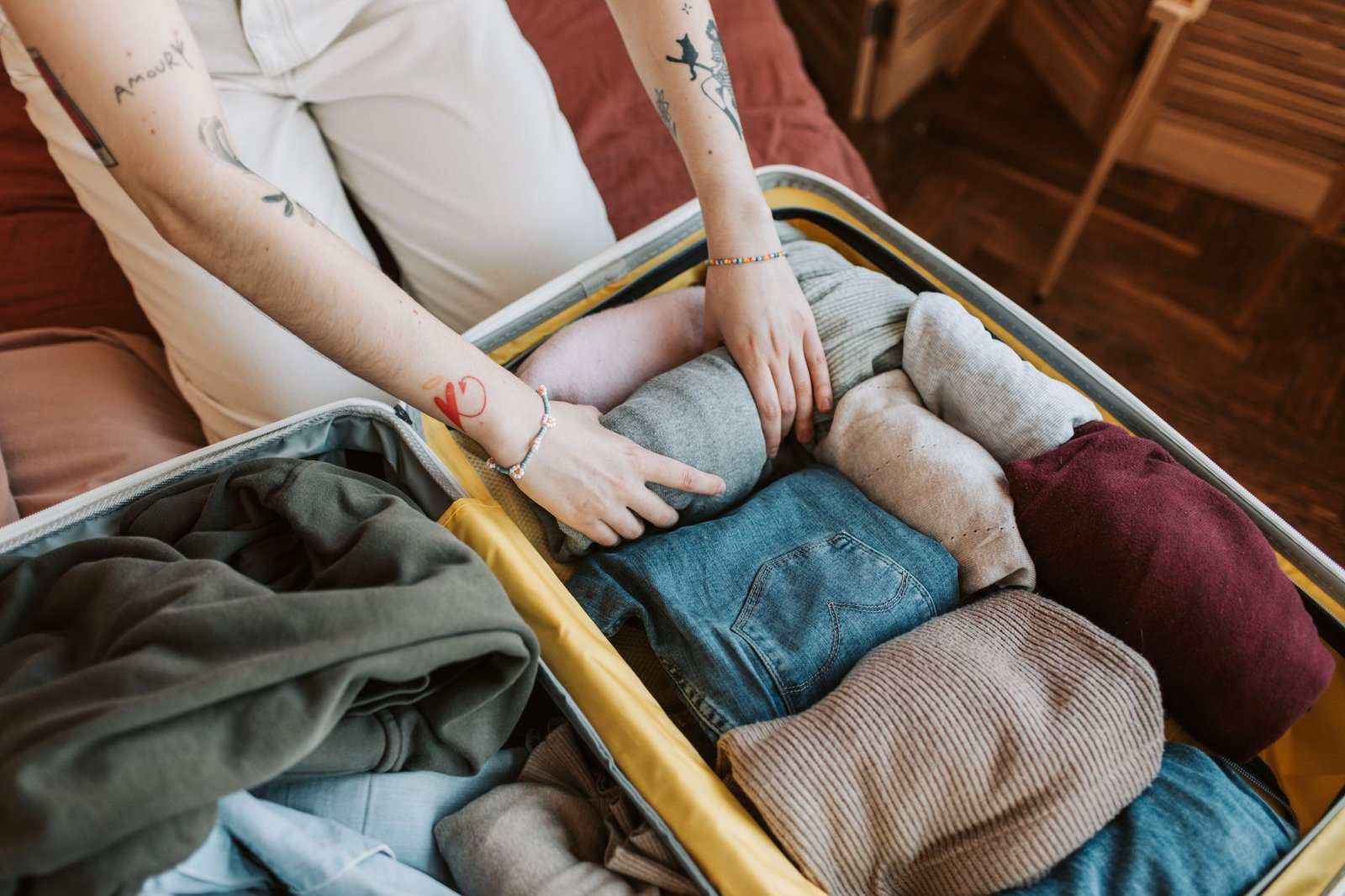
Why this matters is simple: a clear checklist cuts mental clutter, speeds up the packing process, and helps you stay under airline weight limits, which on average can save travelers $40–$60 in excess‑baggage fees. Practitioners report that a disciplined checklist reduces pre‑trip stress, letting the excitement of the journey take center stage instead of last‑minute last‑minute worries.
Consider Maya, a solo traveler heading to Japan for two weeks. She used a detailed checklist that listed three versatile tops, two pairs of quick‑dry pants, one compact rain jacket, and a travel‑size toiletry kit. By sticking to the list, she fit everything in a 40‑liter backpack, left room for souvenirs, and avoided the dreaded “I forgot my charger” scramble.
- Core categories: clothing (mix of layers), toiletries (travel‑size), tech (chargers, adapters), documents (passport, insurance).
- Frequency tags: daily (must‑have), occasional (optional), backup (only if space permits).
- Weight check: total items should not exceed 20 % of your body weight, a guideline many seasoned hikers follow.
When you regularly update your checklist based on recent trips, patterns emerge—like realizing you never use that extra pair of shoes or that a compact travel pillow adds negligible comfort. This iterative refinement turns a generic list into a personalized system, aligning perfectly with GoTravelling.site’s promise of being “Trusted for Your Holiday.”
Why Minimalist Packing Wins for Agile Adventures: Speed, Flexibility, and Stress Reduction
Minimalist packing embraces the philosophy of “less is more,” focusing on multi‑purpose items that compress, layer, and adapt to varying climates. The core idea is to bring only what you can wear in multiple combinations, eliminating redundancies such as a separate formal outfit and a casual one that can serve both roles.
This approach matters because agile travelers often face tight schedules, spontaneous itinerary changes, and the need to move quickly between locations. By carrying a lighter bag, you can hop on a night train, navigate crowded streets, or catch a last‑minute flight without the logistical nightmare of dragging a heavy suitcase.
Take the case of Luis, an adventure photographer who headed to Patagonia with a four‑person group. He packed two interchangeable shirts, one pair of convertible hiking pants, a compact down jacket, and a fold‑able camera bag. When a storm forced an unplanned trek to a remote lodge, Luis simply slipped his entire gear onto a small trolley and arrived in minutes, while his peers struggled with oversized backpacks.
Data from travel‑industry surveys suggest that, on average, minimalist packers spend 15‑20 % less time at security checkpoints because they have fewer accessories and liquids to declare. Moreover, lighter luggage correlates with lower incidence of back strain, a common complaint among full‑gear travelers.
By adopting a minimalist checklist, you also gain mental flexibility: you’re less attached to specific outfits and more open to local clothing options, like borrowing a scarf from a fellow traveler or buying a cheap rain poncho on the road. This openness often leads to richer cultural experiences, aligning with the ethos of GoTravelling.site—where every holiday is an opportunity to explore, not to lug around excess.
When the plane doors shut behind you, the feeling of lightness can be as exhilarating as the destination itself. That sense of ease starts with a clear travel packing checklist, a tool that turns chaos into confidence. Below we dive deeper into what makes a checklist tick, why the minimalist route often outshines the full‑gear alternative, and how you can tailor each method to your own itinerary.
Travel Packing Checklist: Definition, Benefits, and How It Works
A travel packing checklist is simply a curated list of items you intend to bring on a trip, organized by category, priority, and often by day of use. By laying everything out on paper—or a digital note—you create a visual inventory that prevents double‑packing and eliminates last‑minute scramble. The benefit is twofold: it saves mental bandwidth for exploring and reduces the physical load you carry through airports, trains, and streets.
Why does this matter? Cognitive psychology tells us that off‑loading details to an external system frees working memory, allowing travelers to focus on navigation, conversation, or local cuisine. In practice, a well‑structured checklist can shave minutes off security lines because you know exactly which liquids to pull out and which electronics need extra screening. For solo travelers consulting a solo travel guide, the checklist becomes a safety net, ensuring that critical items like a passport, charger, and first‑aid kit never vanish in the shuffle.
How does it actually work? Most seasoned adventurers follow a three‑step routine: (1) draft a master list covering all possible categories; (2) prune the list by applying the “one‑item‑per‑category” rule; and (3) test‑pack a few days before departure. For example, Maria, a digital nomad, kept a master spreadsheet of 50 items, trimmed it to 22, and then performed a trial run that revealed a missing power bank. By adjusting her checklist, she avoided a costly airport purchase and kept her workflow uninterrupted.
Why Minimalist Packing Wins for Agile Adventures: Speed, Flexibility, and Stress Reduction
Minimalist packing embraces the principle of “less is more,” focusing on versatile pieces that serve multiple functions. Speed emerges because fewer items mean less time loading, unloading, and navigating crowded baggage claim areas. Flexibility follows—when you carry a compact capsule wardrobe, you can adapt to unexpected weather swings or spontaneous invitations without feeling encumbered.
This approach reduces stress in a way that resonates with sustainable travel values. By limiting the volume of clothing and gear, you lower the carbon footprint associated with manufacturing, shipping, and disposing of excess goods. A backpacker named Theo illustrated this by swapping a heavy raincoat for a lightweight, packable shell; when a sudden downpour hit the Andes, he unfolded his shell in seconds, stayed dry, and avoided the guilt of lugging around an unnecessary bulky coat.
Speed, flexibility, and stress reduction also translate into financial savings. Minimalist travelers often purchase fewer souvenirs because they already own multipurpose items, freeing budget for experiences like guided hikes or culinary tours. In a recent forum thread, a group of solo explorers reported that those who adhered to a minimalist checklist spent on average 12 % less on accommodation upgrades, simply because they could move more easily and stay in smaller, cheaper rooms.
Full‑Gear Packing Explained: When Carrying More Means Better Preparedness
Full‑gear packing is the antithesis of minimalism, emphasizing redundancy, specialized equipment, and comprehensive coverage for any scenario. It suits travelers venturing into remote locations, engaging in multi‑day treks, or pursuing niche activities such as technical climbing or wildlife photography. By bringing extra layers, spare parts, and backup electronics, you hedge against the unpredictable nature of wilderness environments.
The core advantage is preparedness. Imagine a solo travel guide for mountaineers that recommends carrying two insulated jackets, a portable solar charger, and a compact medical kit. If a storm forces an overnight bivouac, the extra gear ensures warmth, power, and safety without relying on external aid. A case in point is Aria, a marine biologist who spent three weeks on a research vessel; her full‑gear checklist included a waterproof notebook, spare scuba tanks, and a dedicated dry‑bag for specimens, enabling her to continue work despite a sudden equipment malfunction.
Full‑gear packing also offers psychological comfort. Knowing you have a spare pair of shoes or an additional pair of socks can lessen anxiety during long bus rides or train journeys. For travelers who value the security of “just in case,” this method aligns with a risk‑averse mindset, especially when venturing into areas with limited resupply options.
Also Read: Experience Solitude, Challenge, And Beauty In South America’s Wild South
Minimalist vs. Full‑Gear: Key Comparison Criteria and Trade‑Offs
To decide which strategy fits your itinerary, compare the two using three core criteria: weight, versatility, and contingency planning. Weight directly influences mobility; a minimalist list typically keeps luggage under 10 kg, while a full‑gear pack can easily exceed 20 kg. Versatility measures how many outfits or functions a single item can fulfill—think a reversible jacket versus a dedicated raincoat. Contingency planning gauges how prepared you are for emergencies, such as unexpected weather shifts or equipment failure.
- Weight: Minimalist = lighter, faster transitions; Full‑gear = heavier, more stability.
- Versatility: Minimalist = multipurpose items; Full‑gear = specialized gear.
- Contingency: Minimalist = relies on adaptability; Full‑gear = built‑in redundancies.
Trade‑offs emerge when you weigh these criteria against your travel style. A digital nomad on a tight budget may prioritize weight and versatility, accepting the risk of limited redundancy. Conversely, a researcher heading to an isolated Arctic outpost will value contingency above all, even if it means dragging a bulkier bag. Ultimately, the decision hinges on the balance between freedom of movement and safety net depth.
Common Packing Mistakes and How to Avoid Them
Even experienced travelers stumble into pitfalls that can tarnish an otherwise smooth journey. One frequent error is overpacking “just in case,” which creates excess weight and invites fatigue. To combat this, apply the “30‑day rule”: if you can’t envision using an item within 30 days, leave it at home. Another mistake is neglecting the layout of the bag, leading to disorganized compartments and fragile items breaking during transit.
Layering incorrectly also trips up many packers. Packing bulky sweaters on top of delicate electronics can cause scratches, while failing to place heavier items at the bottom destabilizes the center of gravity. A practical fix is to place the heaviest items—such as shoes or toiletry kits—at the base, then build lighter, flexible clothing around them, and finally tuck fragile gear into padded sleeves.
Finally, many travelers forget to verify airline weight limits, resulting in surprise fees at the gate. A pre‑flight check using a portable luggage scale, paired with a quick review of the airline’s baggage policy, can avert costly overruns. By anticipating these common missteps, you maintain momentum and protect your belongings.
Practical Tips from Seasoned Travelers (Including Gotravelling.site’s Trusted Advice)
Seasoned globetrotters agree that a travel packing checklist should be a living document, evolving with each trip. Gotravelling.site—Trusted for Your Holiday—recommends a “two‑stage” approach: first, draft a master list of categories (clothing, toiletries, tech, docs); second, customize it for the specific climate, duration, and activity level of your upcoming journey. This method keeps the core structure stable while allowing flexibility for unique conditions.
One tip from a veteran backpacker is to use packing cubes not just for organization but also for visual inventory control. By color‑coding cubes—red for essentials, blue for optional items—you can quickly assess whether you’ve overloaded a particular category. Another seasoned traveler suggests the “one‑day‑in‑advance” test: pack everything a day before departure, then unpack and repack only those items you truly need, discarding anything that feels superfluous.
For solo travelers consulting a solo travel guide, Gotravelling.site emphasizes a “safety-first” add‑on: always include a compact multi‑tool and a portable water filter, even if you plan to stay in urban hostels. These items align with sustainable travel principles by reducing reliance on single‑use plastics and encouraging self‑sufficiency. A recent community poll highlighted that travelers who incorporated a reusable water bottle and a set of collapsible tote bags reported feeling more responsible and encountered fewer waste‑related issues abroad.
Frequently Asked Questions about Travel Packing Checklists
Q: How many items should a minimalist travel packing checklist contain? Generally, the sweet spot lies between 15 and 25 core pieces, depending on trip length and climate. This range balances essential coverage with the agility needed for spontaneous detours.
Q: Is it okay to reuse the same checklist for different destinations? Yes, but you should adjust for local weather patterns and activity demands. For instance, a checklist designed for a Mediterranean summer may need an extra waterproof layer for a rainy Southeast Asian monsoon.
Q: Can a travel packing checklist help with sustainable travel goals? Absolutely. By limiting unnecessary purchases and focusing on reusable items, the checklist serves as a roadmap toward lower environmental impact. Including items like a refillable toiletry container or a solar charger reinforces eco‑friendly choices.
Q: What’s the best way to remember the checklist while on the road? Many travelers install the list on their phone’s notes app, syncing it across devices for offline access. Some prefer a printed version tucked inside a travel wallet, ensuring it’s always within reach even when battery power is low.
Conclusion: Choose Your Packing Strategy and Take the Next Step with Gotravelling.site
Whether you gravitate toward the nimble freedom of minimalist packing or the comprehensive security of full‑gear preparation, the key is to align your travel packing checklist with your personal goals, itinerary demands, and sustainability values. By thoughtfully curating what you bring, you unlock more space for experiences, reduce strain on your body, and honor the planet—principles that Gotravelling.site proudly champions.
Frequently Asked Questions about Travel Packing Checklists
To further enhance your understanding of travel packing checklists, we’ve compiled a list of frequently asked questions that travelers like you often search for online.
What is a travel packing checklist?
A travel packing checklist is a detailed list of items to pack for a trip, taking into account the destination, duration, and activities planned. It helps travelers remember essential items, avoid overpacking, and ensure a smooth journey. For example, a travel packing checklist for a hiking trip in the mountains might include sturdy boots, layers of clothing, and a first-aid kit. By using a checklist, you can tailor your packing to your specific needs and preferences.
How do you create a travel packing checklist?
Creating a travel packing checklist involves considering the length of your trip, the weather forecast, and the activities you plan to do. Start by making a list of essentials like clothing, toiletries, and important documents. Then, add items specific to your trip, such as snorkeling gear or a portable charger. You can also find many travel packing checklist templates online or use apps like PackPoint to help you get started. For instance, a checklist for a beach vacation might include a swimsuit, sunscreen, and a beach towel.
Is a minimalist travel packing checklist better than a full-gear checklist?
The choice between a minimalist and full-gear travel packing checklist depends on your personal travel style and priorities. A minimalist checklist is ideal for short trips, backpacking, or traveling to destinations with readily available amenities. On the other hand, a full-gear checklist is better suited for longer trips, adventure travel, or visiting places with limited resources. For example, a minimalist checklist for a weekend getaway to a city might include only the essentials, while a full-gear checklist for a month-long trek in the wilderness would need to include more comprehensive gear and supplies.
How often should you review and update your travel packing checklist?
It’s a good idea to review and update your travel packing checklist after each trip to reflect any changes in your travel style, new items you’ve acquired, or lessons learned from previous experiences. This ensures that your checklist remains relevant and effective for future trips. For instance, if you recently purchased a new camera, you might add it to your checklist for future photography trips. Regular updates also help you avoid overpacking by removing items you no longer need or use.
Can a travel packing checklist help with budgeting and cost savings?
Yes, a travel packing checklist can help with budgeting and cost savings by encouraging you to pack only what you need, reducing the likelihood of last-minute purchases at your destination. By planning ahead and packing essentials like a refillable water bottle or a portable laundry line, you can avoid unnecessary expenses and allocate your budget to more enjoyable aspects of your trip. For example, packing a travel-sized toiletry kit can save you money on hotel toiletries or purchases at airport shops.
How do you customize a travel packing checklist for different types of trips?
Customizing a travel packing checklist for different types of trips involves considering the unique demands and requirements of each journey. For example, a checklist for a business trip might include formal attire, a laptop, and presentation materials, while a checklist for a family vacation might prioritize entertainment for kids, baby supplies, and comfortable clothing. By tailoring your checklist to the specific needs of each trip, you can ensure that you’re well-prepared and able to make the most of your time.
Conclusion
As you’ve explored the world of travel packing checklists, you’ve seen how this simple tool can revolutionize the way you prepare for trips. By understanding the benefits of both minimalist and full-gear packing strategies, you can create a personalized checklist that suits your travel style and needs. Remember, the key to a successful travel packing checklist is to be intentional about what you pack, considering the activities you’ll do, the weather you’ll encounter, and the experiences you want to have.
Whether you’re a seasoned traveler or embarking on your first adventure, a well-crafted travel packing checklist can be your trusted companion, helping you navigate the complexities of packing with ease and confidence. By incorporating the insights and tips shared in this article, you’ll be better equipped to create a travel packing checklist that not only saves you time and stress but also enhances your overall travel experience. So why not start crafting your perfect travel packing checklist today and discover a more streamlined, enjoyable, and sustainable way to explore the world?
As you continue on your journey to mastering the art of travel packing, don’t forget to visit gotravelling.site for more expert advice, travel tips, and inspiration to fuel your next adventure. With the right mindset, tools, and strategies, you’ll be well on your way to becoming a travel packing pro, ready to take on any destination that comes your way.