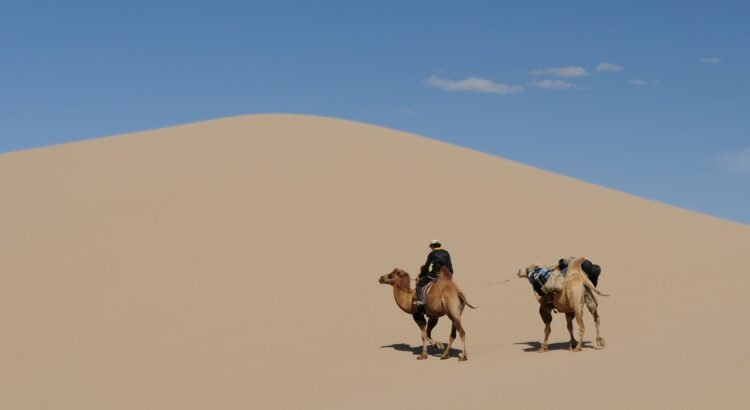
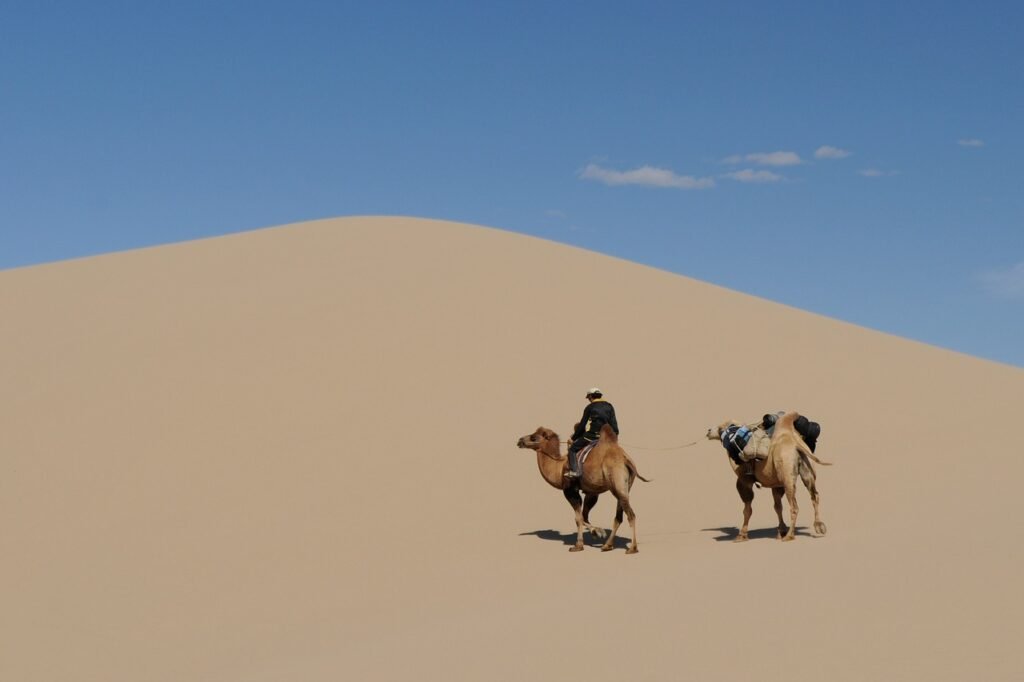
Travel has a unique way of teaching lessons that extend far beyond sightseeing. Recently, I embarked on an adventure in the Gobi Desert, Mongolia, a vast expanse of dunes, rocky plateaus, and endless skies. Known for its nomadic culture and harsh climate, the Gobi is a place that tests travelers both physically and mentally. What I anticipated as a scenic escape quickly became a journey full of challenges, reflection, and learning about resilience, adaptability, and the beauty of simple living.
Preparing for the Gobi: Expectations vs. Reality
Before arriving, I researched extensively about the desert’s climate, terrain, and nomadic way of life. I packed layers for extreme temperature swings, water purification tools, and camping equipment. Despite all the preparation, nothing truly prepares you for the reality of the desert.
The Gobi’s vastness is both awe-inspiring and intimidating. The scorching daytime heat can suddenly give way to freezing nights, and navigation through the dunes requires patience and careful planning. From the first day, I learned that preparation is important, but flexibility and a willingness to adapt are even more crucial. The desert challenges travelers in ways no checklist can fully anticipate.
Physical and Mental Challenges in the Desert
Traversing the Gobi is physically demanding. Long treks across sand dunes, rocky terrain, and sparse vegetation test endurance and stamina. Carrying sufficient water and supplies is critical, as dehydration can become a serious risk. Even short miscalculations can make a long day unbearable.
The mental challenge is equally significant. The desert’s emptiness can make one feel isolated and insignificant. Hours can pass without seeing another person, and the endless horizon evokes both awe and anxiety. I realized that perseverance in such conditions involves not just physical effort but mental resilience, patience, and self-awareness. Each step through the sand became a lesson in focus and determination.
Learning from Nomadic Life
A highlight of the journey was staying with local nomadic families. These communities survive in extreme conditions with minimal resources, yet they exhibit remarkable resilience and adaptability. Observing their daily lives—milking goats, herding camels, moving camps—taught me the value of resourcefulness and living in harmony with nature.
Nomadic life emphasizes simplicity, community, and sustainability. Despite the harsh environment, these families thrive by embracing a lifestyle deeply connected to the land. For me, this was a profound lesson: travel challenges can be opportunities to learn from local wisdom and see life through a different lens.
Coping with Extreme Weather
The Gobi Desert is infamous for its unpredictable weather. During my stay, I experienced sudden sandstorms that reduced visibility to almost zero, as well as blistering heat during the day and icy temperatures at night. These conditions required constant adaptation.
From this, I learned to respect the environment and plan for the unexpected. Having the right gear—warm layers, protective clothing, and sufficient supplies—was essential. Travel challenges often teach humility, reminding us that nature cannot be controlled, only respected and navigated thoughtfully.
Cultural Insights Along the Way
Living among nomads provided deeper cultural insights than any tourist attraction could offer. I participated in traditional meals, learned about seasonal migrations, and witnessed ceremonies marking livestock milestones. These experiences illustrated how intertwined daily life is with nature and survival.
Through these moments, I discovered that travel challenges are often gateways to meaningful learning. While the desert tested my endurance and adaptability, it also offered lessons in patience, observation, and appreciation for a simpler, more sustainable way of life.
Reflection and Personal Growth
The Gobi Desert taught me the value of simplicity and reflection. Stripped of modern distractions, I learned to slow down, observe the natural world, and appreciate small comforts, such as warmth from a fire or a shared meal. Facing physical fatigue and isolation encouraged introspection, helping me understand my own limits and strengths.
Challenges in the desert mirrored challenges in life: unpredictable, demanding, and sometimes uncomfortable, yet full of opportunities for growth. I learned that resilience, adaptability, and openness to learning are vital traits both in travel and in everyday life.
Conclusion
Adventuring in the Gobi Desert was more than a physical journey—it was a profound lesson in resilience, adaptability, and cultural appreciation. From navigating harsh terrain and extreme weather to learning from nomadic communities, every challenge offered insight and personal growth.
For those seeking a travel experience that pushes both body and mind, the Gobi Desert is unparalleled. Its vast landscapes, unpredictable conditions, and rich nomadic heritage provide lessons that extend far beyond the trip itself. By embracing the journey with patience, respect, and openness, travelers can gain not only unforgettable memories but also valuable insights into the strength and simplicity of human life.
The desert reminded me that travel challenges are not obstacles to avoid—they are opportunities to learn, reflect, and grow. Lessons from the Gobi, much like the shifting sands, linger long after the journey ends.