Travel offers more than sightseeing; it is a chance to engage deeply with a culture’s beliefs, traditions, and ways of life. One of Mexico’s most profound and visually striking cultural experiences is the Day of the Dead (Día de los Muertos), an annual celebration that honors deceased loved ones while celebrating life. Far from somber or morbid, this festival blends spirituality, artistry, and communal connection, offering travelers an unforgettable encounter with Mexican culture. Experiencing Día de los Muertos allows visitors to understand the country’s unique perspective on mortality, memory, and the cycles of life.
Understanding Día de los Muertos
Origins of the Celebration
Día de los Muertos has roots in both indigenous Mexican traditions and Catholic influences brought by Spanish colonizers. Celebrated on November 1st and 2nd, the festival coincides with All Saints’ Day and All Souls’ Day. The indigenous peoples of Mexico historically observed rituals honoring ancestors, believing that the spirits of the dead returned to visit the living during this time. Today, the festival incorporates colorful altars, marigold flowers, sugar skulls, and offerings of food and personal items, symbolizing the ongoing connection between the living and the dead.
Cultural and Spiritual Significance
At its core, Día de los Muertos reflects the Mexican worldview that death is not an end but a natural transition. Families create altars (ofrendas) decorated with photographs, candles, and favorite foods of the departed, inviting their spirits to join the celebrations. Public spaces are adorned with vibrant decorations, and communities come together to honor ancestors collectively. For travelers, observing these rituals provides insight into a culture that embraces mortality with reverence, joy, and creativity rather than fear or sorrow.
Experiencing the Day of the Dead
Preparation and Rituals
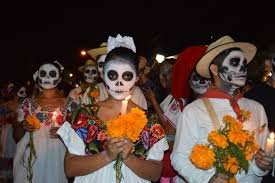
The celebration begins weeks in advance as families prepare altars, decorate gravesites, and create sugar skulls and colorful papel picado (cut paper banners). Markets bustle with traditional foods such as pan de muerto, tamales, and chocolate. Participants also paint their faces as skulls, often in elaborate designs that honor the dead while celebrating life. For travelers, these preparations offer a window into Mexican artistry, devotion, and the communal nature of cultural traditions.
Visiting Cemeteries
One of the most powerful aspects of Día de los Muertos is visiting cemeteries to honor loved ones. Families gather at gravesites to clean and decorate them, sing, play music, and share food. The atmosphere is festive rather than mournful, filled with laughter, storytelling, and remembrance. For visitors, these gatherings reveal the importance of community, memory, and ritual in Mexican life, offering a perspective on death that is celebratory, inclusive, and deeply human.
Public Festivities and Parades
In addition to private altars and cemetery visits, cities across Mexico host parades, street performances, and cultural exhibitions. Participants dress in traditional costumes, often as skeletons, and march through decorated streets while music and dancing accompany the festivities. These public celebrations highlight the creativity, humor, and resilience embedded in Mexican culture. Travelers joining these parades experience a multisensory celebration that combines performance, art, and spiritual devotion in a unique cultural encounter.
Lessons from Día de los Muertos
Embracing Life and Death
Día de los Muertos teaches that life and death are interconnected. By celebrating the deceased, participants reflect on the value of life, memory, and relationships. Travelers observing this festival often gain a renewed appreciation for human connection, tradition, and the ways cultural practices provide meaning and continuity across generations.
Cultural Sensitivity and Respect
While Día de los Muertos is visually striking and festive, it is essential for travelers to approach the celebration with respect. Participating appropriately, understanding the symbolism, and observing rituals mindfully ensures a meaningful experience without disrespecting local customs. This aspect of the festival reinforces the broader lesson that cultural experiences are richest when approached with openness, curiosity, and reverence.
Conclusion
Mexico’s Day of the Dead is far more than a festival; it is a profound cultural encounter that honors life, memory, and spiritual connection. Experiencing Día de los Muertos allows travelers to witness a unique approach to mortality, one that blends artistry, celebration, and communal devotion. From decorating altars to participating in parades, the festival offers an immersive insight into Mexican values, traditions, and social bonds. Beyond the striking visuals of skulls, flowers, and candles, Día de los Muertos imparts lessons about remembrance, joy, and respect for the cycles of life. For those seeking a truly memorable cultural experience, participating in Mexico’s Day of the Dead is an extraordinary journey into a world where life and death coexist in vibrant harmony.