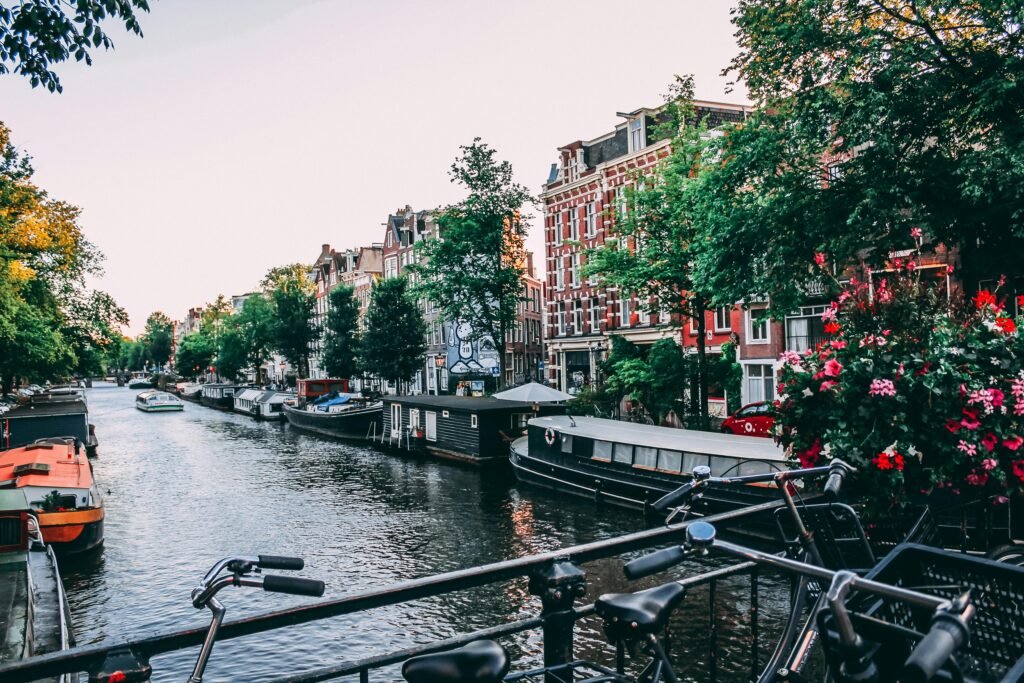
Amsterdam, the capital city of the Netherlands, is more than just picturesque canals and charming bicycles. It is a city steeped in history, art, and stories waiting to be discovered. For travelers and explorers alike, Amsterdam offers a unique blend of modern vibrancy and historical depth, making it an unforgettable destination for those who seek both adventure and cultural insight. From its iconic canals to hidden alleys and world-renowned museums, every corner of Amsterdam tells a story.
The Canals of Amsterdam: A Living Legacy
Amsterdam is often called the “Venice of the North” due to its extensive canal network. These canals, built in the 17th century during the Dutch Golden Age, were originally designed for transportation, defense, and water management. Today, they are a UNESCO World Heritage site and an essential part of the city’s charm.
Exploring the canals can be done in several ways. A boat tour offers a serene perspective of historic houses, bridges, and floating gardens. Walking along the canal rings provides a chance to observe daily life in Amsterdam, where locals cycle along the cobblestone streets and markets fill the air with the scent of fresh produce and flowers. Each canal-side house, with its unique gabled facade, tells a story of trade, wealth, and Dutch architectural ingenuity.
Hidden Corners and Secret Stories
While the main canals attract most tourists, the true explorers often find Amsterdam’s hidden gems off the beaten path. Narrow alleyways and quiet courtyards conceal centuries-old houses and small cafés where the locals gather. The Jordaan district, for instance, is full of art galleries, antique shops, and intimate restaurants. It was once a working-class neighborhood, and its streets echo stories of resilience and community.
Another hidden story lies in Amsterdam’s history as a safe haven for persecuted groups. The Anne Frank House, for example, is not just a museum but a symbol of human courage and the tragic consequences of war. Visiting this historical site provides a deep, emotional connection to the city’s past, allowing travelers to reflect on the enduring power of hope and remembrance.
Art and Culture: A City That Inspires
Amsterdam has long been a hub for artists, writers, and thinkers. The city is home to some of the world’s most renowned museums, including the Rijksmuseum, the Van Gogh Museum, and the Stedelijk Museum. Each museum offers visitors the chance to explore masterpieces that have shaped art history.
The Rijksmuseum, with its collection of Dutch Golden Age paintings, showcases the works of Rembrandt and Vermeer, telling stories of a time when the Netherlands was a dominant trading power. Meanwhile, the Van Gogh Museum provides insight into the life and struggles of one of history’s most famous artists, allowing visitors to connect emotionally with his expressive use of color and brushstroke.
Local Life and Cultural Festivals
Beyond museums, Amsterdam’s cultural vibrancy is also expressed in its festivals and daily life. The city hosts the King’s Day celebration, where streets turn orange and music, food, and festivities bring locals and tourists together. Events such as the Amsterdam Light Festival transform canals into a magical playground of illuminated art, demonstrating the city’s creative energy and love for storytelling through visual experiences.
Exploring local markets, like Albert Cuyp Market, also offers a glimpse into Dutch culture. Here, one can sample traditional foods like stroopwafels or Dutch cheeses, each bite carrying a story of local tradition and culinary heritage.
Outdoor Adventures and Urban Exploration
For those who prefer active exploration, Amsterdam provides ample opportunities to combine history and adventure. Cycling is a quintessential part of life in the city, and renting a bike allows travelers to traverse both iconic and lesser-known routes. Biking along the Amstel River, for instance, reveals charming neighborhoods, historic windmills, and quiet parks that are often missed by those sticking to the tourist paths.
Boat rentals offer another form of exploration. Unlike structured tours, renting a small boat or joining a self-guided paddle along the canals can lead to unexpected encounters with wildlife, floating flower gardens, and local festivals that line the waterways. These experiences create a personal connection to the city and allow travelers to create their own stories.
Urban Nature and Green Spaces
Amsterdam also surprises visitors with its commitment to green spaces. Vondelpark, the city’s largest park, is a haven for joggers, picnickers, and musicians. Urban gardens and hidden courtyards, such as those in the Begijnhof area, offer quiet retreats from the bustling streets, allowing moments of reflection amidst the city’s historical context.
Conclusion: Amsterdam as a Storyteller
Amsterdam is more than a city; it is a living storybook. Every canal, museum, and street corner carries memories of the past while simultaneously embracing the present. Travelers who explore beyond the surface find a city full of narratives—tales of art, resilience, innovation, and everyday life.
Whether wandering through historic neighborhoods, cycling along the Amstel River, or marveling at the works of world-famous artists, visitors to Amsterdam are constantly reminded that exploration is not just about seeing new places but about connecting with the stories that define them. Amsterdam invites you to step into its pages and create your own chapter of discovery, making every visit a personal journey of cultural enrichment and unforgettable experiences.