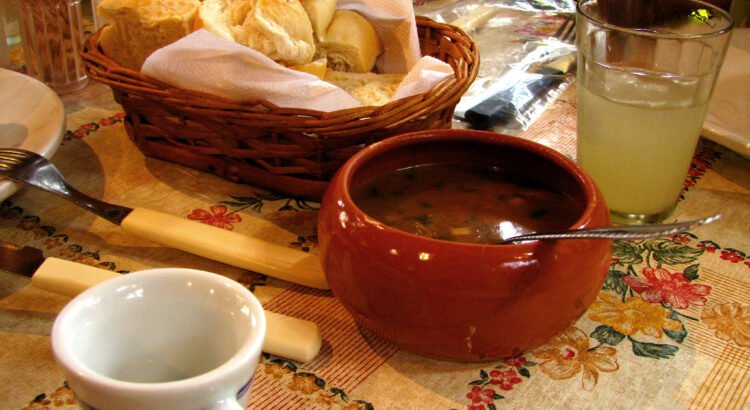

Brazil’s culinary landscape is as diverse and vibrant as its culture and geography. From the bustling streets of São Paulo to the serene beaches of Bahia, the country’s cuisine reflects a rich tapestry of indigenous, African, Portuguese, and immigrant influences. This gastronomic journey offers a glimpse into the heart of Brazil, where each dish tells a story of tradition, innovation, and community.
🇧🇷 Brazil’s Culinary Heritage: A Melting Pot of Flavors
Brazil’s food culture is deeply rooted in its history and the diverse peoples who have shaped it. Indigenous ingredients like cassava and açaí have been staples for centuries, while African influences introduced bold spices and cooking techniques. Portuguese colonization brought new ingredients and culinary practices, which were further enriched by waves of European and Asian immigrants. This fusion has resulted in a cuisine that is both unique and reflective of Brazil’s multicultural identity.
Signature Dishes: A Taste of Tradition
Feijoada: The Heart of Brazilian Cuisine
Feijoada is often considered Brazil’s national dish. This hearty black bean stew is traditionally made with a variety of pork cuts, including ears, feet, and tails, along with beef. The dish is slow-cooked to perfection and served with rice, sautéed collard greens, orange slices, and farofa (toasted cassava flour). Typically enjoyed on Saturdays, feijoada is more than just a meal; it’s a social event that brings families and friends together to celebrate and share.
Moqueca: A Coastal Delight
Moqueca is a flavorful seafood stew that varies by region. The Bahian version, known as moqueca baiana, is rich and aromatic, featuring fish or shrimp simmered in coconut milk, palm oil, tomatoes, onions, garlic, and cilantro. It’s traditionally served in a clay pot with rice and pirão (a thick porridge made from cassava flour and fish broth). The Espírito Santo version, moqueca capixaba, uses olive oil and is lighter in flavor, showcasing the versatility of Brazil’s coastal cuisine.
Acarajé: A Street Food Staple
Acarajé is a popular street food in Bahia, especially in Salvador. Made from black-eyed peas formed into dough, deep-fried in palm oil, and stuffed with shrimp, peppers, and tomatoes, acarajé is a flavorful snack that reflects the African heritage of the region. It’s often enjoyed with a cold drink and is a must-try for visitors seeking authentic Brazilian street food experiences.
Regional Specialties: Flavors from Every Corner
Pão de Queijo: A Cheesy Delight
Originating from the state of Minas Gerais, pão de queijo is a small, baked cheese roll made from tapioca flour and cheese. These gluten-free treats are crispy on the outside and soft on the inside, with a delightful cheesy flavor. They’re commonly enjoyed for breakfast or as a snack throughout Brazil.
Tapioca: A Versatile Treat
Tapioca, made from cassava starch, is a versatile ingredient in Brazilian cuisine. When hydrated and cooked on a griddle, it forms a chewy, pancake-like texture. Fillings can range from sweet options like coconut and condensed milk to savory ones like cheese and ham. Tapioca is popular in the Northeast and is often enjoyed as a quick breakfast or snack.
Brigadeiro: A Sweet Tradition
Brigadeiro is a beloved Brazilian sweet made from condensed milk, cocoa powder, butter, and chocolate sprinkles. Originally created for children’s birthday parties, brigadeiro has become a national favorite. Variations include flavors like lime, passion fruit, and Nutella, showcasing the creativity and adaptability of Brazilian desserts.
Beverages: Sipping Brazil’s Essence
Cachaça: The Spirit of Brazil
Cachaça is Brazil’s national spirit, distilled from sugarcane juice. It’s the key ingredient in the classic cocktail caipirinha, made by muddling lime and sugar, then adding cachaça and ice. Cachaça comes in various styles, from unaged to aged varieties, each offering distinct flavors that reflect the country’s diverse terroirs.
Caldo de Cana: Refreshing Sugarcane Juice
Caldo de cana, or sugarcane juice, is a refreshing beverage enjoyed throughout Brazil. Often served chilled with a squeeze of lime, it’s a popular drink at street markets and is especially refreshing on hot days. The natural sweetness and earthy flavor make it a favorite among locals and visitors alike.
Guaraná: A Native Energy Boost
Guaraná is a climbing plant native to the Amazon rainforest, known for its seeds that contain caffeine. The seeds are used to make guaraná extract, which is commonly found in energy drinks and sodas in Brazil. The beverage offers a natural energy boost and is a popular choice among those seeking an alternative to coffee.
Experiencing Brazil’s Culinary Landscape
Exploring Brazil’s food culture is an adventure in itself. From the bustling markets of São Paulo to the coastal towns of Bahia, each region offers unique flavors and culinary traditions. Whether you’re savoring a bowl of feijoada with locals or enjoying a refreshing glass of caldo de cana on a hot day, the country’s cuisine provides a window into its rich cultural tapestry.
For those planning a visit, it’s recommended to explore local eateries, food markets, and street vendors to experience the authentic flavors of Brazil. Engaging with local chefs and home cooks can also provide deeper insights into the culinary traditions that define the nation.
Conclusion: A Feast for the Senses
Brazil’s cuisine is a vibrant reflection of its history, culture, and people. The diverse range of dishes, from hearty stews to sweet treats, offers a culinary journey that delights the senses and tells the story of a nation shaped by its diverse influences. Whether you’re a seasoned traveler or a first-time visitor, immersing yourself in Brazil’s food culture is an essential part of experiencing the country’s rich heritage.