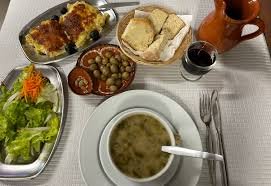
Portugal’s culinary heritage is a rich tapestry woven from centuries of tradition, regional diversity, and a deep appreciation for quality ingredients. From the bustling streets of Lisbon to the coastal towns of the Algarve, Portuguese cuisine offers a delightful array of flavors that reflect the country’s cultural heritage. This article delves into some of the most iconic dishes and beverages that define Portugal’s gastronomic identity.
Iconic Portuguese Dishes
Bacalhau: The Quintessential Salt Cod
Bacalhau, or salted cod, is often referred to as the “national dish” of Portugal. With over a thousand different recipes, it’s a staple in Portuguese households and restaurants alike. Whether it’s prepared in a creamy casserole, grilled, or served with potatoes, bacalhau showcases the versatility and depth of Portuguese cooking.
Caldo Verde: A Hearty Green Soup
Originating from the northern region of Portugal, caldo verde is a comforting soup made with kale, potatoes, chorizo, and olive oil. Its simplicity and warmth make it a beloved dish, especially during festive occasions and family gatherings.
Francesinha: A Hearty Sandwich
Francesinha, meaning “Little Frenchie,” is a Portuguese sandwich inspired by the French croque-monsieur. Layers of bread, steak, sausage, and ham are smothered in a rich beer and tomato sauce, then topped with melted cheese. This indulgent dish is particularly popular in Porto and is often enjoyed with a side of crispy fries.
Pastéis de Bacalhau: Codfish Fritters
Pastéis de bacalhau, or codfish fritters, are deep-fried delights made from a mixture of salted cod, potatoes, onions, and parsley. These savory bites are commonly served as appetizers or snacks in Portuguese taverns and are a testament to the country’s love for seafood.
Arroz de Marisco: Seafood Rice
Arroz de marisco is a flavorful seafood rice dish brimming with a variety of shellfish, such as shrimp, clams, and mussels. Cooked in a rich tomato and herb broth, this dish captures the essence of Portugal’s coastal regions.
Traditional Portuguese Beverages
Ginja: A Cherry Liqueur
Ginja, or ginjinha, is a traditional Portuguese cherry liqueur infused with alcohol, sugar, and other ingredients. Typically served in small shot glasses, it’s a popular drink in Lisbon and the town of Óbidos, where it’s often enjoyed as an aperitif or digestive.
Port Wine: A Fortified Delight
Port wine, originating from the Douro Valley, is a fortified wine known for its rich and sweet flavor profile. Available in various styles, including ruby, tawny, and white, port wine is often enjoyed as a dessert wine or paired with cheeses and nuts.
Vinho Verde: A Refreshing White Wine
Vinho verde, meaning “green wine,” is a young and slightly effervescent white wine from the Minho region. Its crisp and refreshing taste makes it an ideal accompaniment to seafood dishes and light appetizers.
Sweet Treats and Desserts
Pastel de Nata: Custard Tart
Pastel de nata, or custard tart, is a beloved Portuguese pastry consisting of a flaky pastry shell filled with a creamy custard. Sprinkled with cinnamon and powdered sugar, it’s best enjoyed warm and is a must-try for visitors to Lisbon.
Bolo de Bolacha: Biscuit Cake
Bolo de bolacha is a no-bake dessert made by layering Maria biscuits soaked in coffee and cream. Chilled until set, this dessert offers a delightful blend of textures and flavors and is often served during family gatherings and celebrations.
Baba de Camelo: Caramel Mousse
Baba de camelo is a rich and creamy caramel mousse made from sweetened condensed milk and eggs. Its smooth texture and sweet flavor make it a popular choice for dessert lovers.
Tips for Experiencing Portuguese Cuisine
- Explore Local Taverns (Tascas): Tascas are traditional Portuguese taverns where locals gather to enjoy hearty meals and drinks. These establishments offer authentic dishes like tripas à moda do Porto and rojões, served in generous portions.
- Visit Food Markets: Markets such as Mercado da Ribeira in Lisbon and Mercado do Bolhão in Porto are excellent places to sample a variety of Portuguese foods. From fresh seafood to artisanal cheeses, these markets provide a glimpse into the country’s culinary diversity.
- Join a Food Tour: Participating in a food tour can enhance your culinary experience by introducing you to hidden gems and local favorites. Guided tours often include tastings of regional specialties and visits to renowned eateries.
Conclusion: A Culinary Journey Worth Taking
Portugal’s cuisine is a reflection of its rich history, diverse regions, and deep-rooted traditions. From the savory delights of bacalhau to the sweet indulgence of pastéis de nata, each dish tells a story of the country’s cultural heritage. Whether you’re a seasoned foodie or a curious traveler, exploring Portugal’s culinary offerings is an adventure that promises delightful discoveries at every turn.