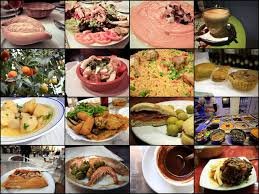
Spain’s culinary landscape is a rich tapestry woven from centuries of tradition, regional diversity, and a deep appreciation for quality ingredients. From the bustling streets of Madrid to the coastal towns of Galicia, Spanish cuisine offers a delightful array of flavors that reflect the country’s cultural heritage. This article delves into some of the most iconic dishes and beverages that define Spain’s gastronomic identity.
Iconic Spanish Dishes
Paella: A Symbol of Spanish Gastronomy
Paella, originating from Valencia, is perhaps Spain’s most internationally recognized dish. Traditionally, it’s made with rice, saffron, and a variety of proteins. The three main types are:
- Paella Valenciana: Features chicken or rabbit, along with sautéed ingredients like tomato, garlic, and pepper.
- Seafood Paella: Showcases an assortment of seafood, including shrimp, cuttlefish, and mussels.
- Mixta: A combination of both meat and seafood.
The dish is best enjoyed along the Mediterranean coast, particularly in Valencia, where it is prepared using traditional methods over an open flame.
Bocadillo de Calamares: A Madrid Staple
In Madrid, the bocadillo de calamares, or squid sandwich, is a beloved street food. This simple yet flavorful sandwich consists of breaded and fried squid rings served in a crusty baguette. It’s a must-try for visitors exploring the city’s culinary scene.
Pulpo a la Gallega: A Galician Delicacy
In the region of Galicia, pulpo a la gallega (also known as pulpo á feira) is a traditional dish that features octopus boiled in a copper cauldron, then sliced and sprinkled with sea salt, paprika, and a drizzle of olive oil. It’s typically served with boiled potatoes and enjoyed in rustic taverns known as polbeiras.
Pan con Tomate: A Catalan Classic
Pan con tomate, or pa amb tomàquet in Catalan, is a simple yet delicious dish from Barcelona. It consists of toasted bread rubbed with ripe tomatoes, drizzled with olive oil, and sprinkled with salt. Often enjoyed as a breakfast item or tapa, it’s a testament to the Catalan appreciation for fresh, quality ingredients.
Traditional Spanish Beverages
Rioja Wine: A Taste of Northern Spain
Rioja wine, hailing from the Rioja region, is one of Spain’s most esteemed red wines. The region is divided into three subregions: Rioja Alta, Rioja Alavesa, and Rioja Oriental, each producing wines with distinct characteristics. With over 600 wineries, Rioja offers a diverse range of wines that pair beautifully with Spanish cuisine.
Sidra: The Cider of Asturias
In the northern region of Asturias, sidra (cider) is a traditional beverage made from fermented apples. The unique aspect of Asturian cider is its pouring method: the cider is poured from a height into a glass held at waist level, allowing the drinker to savor its full flavor. It’s often enjoyed in local cider houses known as “sidrerías.”
Sweet Treats and Desserts
Churros con Chocolate: A Sweet Spanish Tradition
Churros con chocolate is a quintessential Spanish dessert, particularly popular in Madrid. The churros are deep-fried dough pastries, crispy on the outside and soft on the inside, dusted with sugar. They’re traditionally dipped into a thick, rich hot chocolate, creating a delightful contrast of textures and flavors.
Tarta de Santiago: A Galician Delight
Originating from Galicia, Tarta de Santiago is an almond cake flavored with lemon zest and topped with powdered sugar in the shape of the Cross of Saint James. It’s a traditional dessert often enjoyed during festivals and celebrations in the region.
Tips for Experiencing Spanish Cuisine
- Embrace the Tapas Culture: Tapas are small portions of various dishes, allowing you to sample a wide array of flavors in one meal. In cities like Barcelona and Madrid, tapas bars are abundant, offering both traditional and modern interpretations of Spanish dishes. (Viator)
- Visit Local Markets: Exploring local markets such as La Boqueria in Barcelona or Mercado de San Miguel in Madrid provides insight into Spain’s culinary diversity. These markets offer fresh produce, meats, cheeses, and ready-to-eat dishes that showcase regional specialties.
- Participate in Cooking Classes: Engaging in a cooking class can deepen your understanding of Spanish cuisine. For instance, in Barcelona, you can join a cooking class that includes a market visit, where you’ll learn to prepare traditional dishes like paella and tapas. (Viator)
Conclusion: A Culinary Adventure Awaits
Spain’s culinary offerings are as diverse as its landscapes and cultures. From the rich flavors of paella in Valencia to the sweet indulgence of churros in Madrid, each dish tells a story of tradition, regional pride, and a love for quality ingredients. Whether you’re a seasoned foodie or a curious traveler, exploring Spain’s gastronomy is an adventure that promises delightful discoveries at every turn. So, the next time you find yourself in Spain, be sure to indulge in these iconic dishes and beverages, and savor the authentic flavors that define this beautiful country.