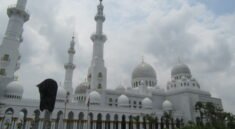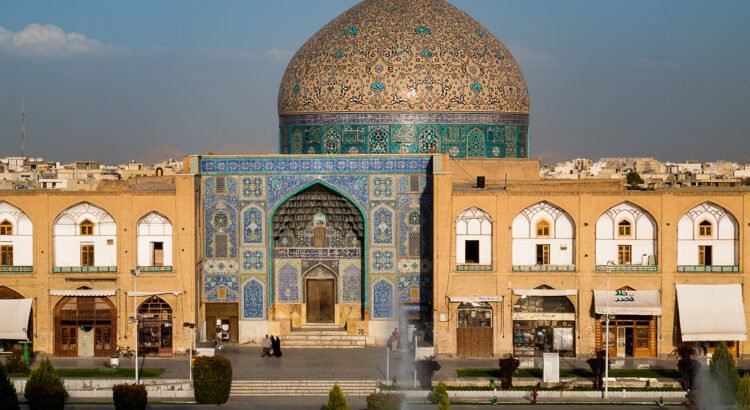
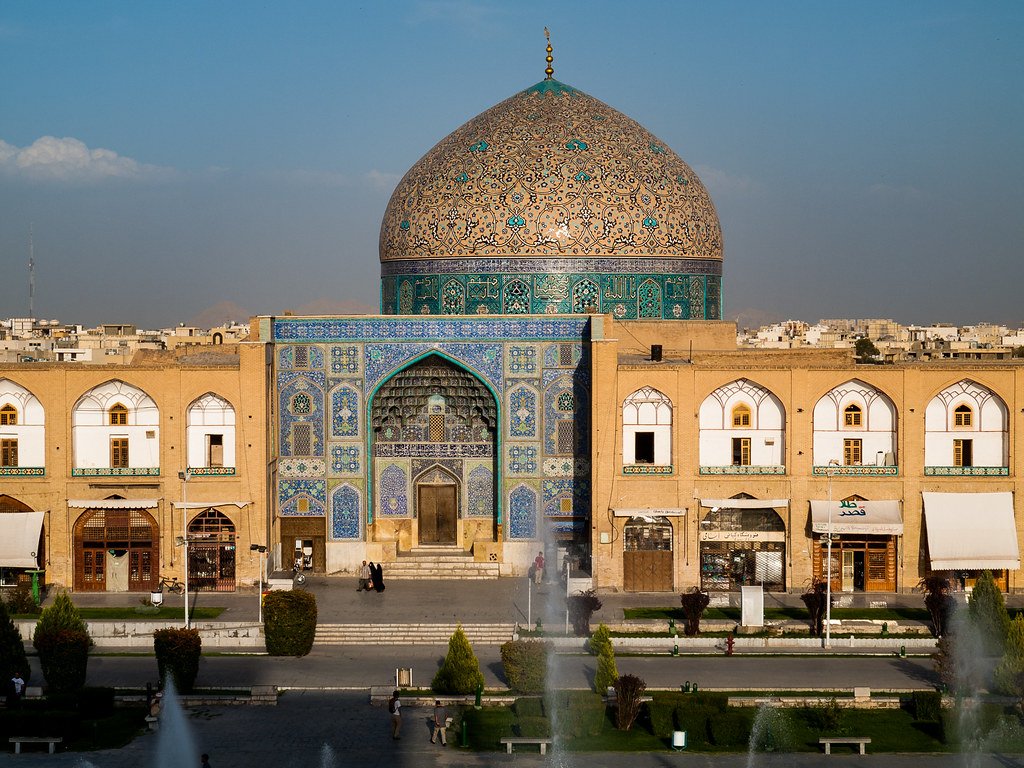
Isfahan, one of Iran’s most celebrated provinces, is often regarded as a treasure trove of Persian heritage. Renowned for its stunning squares, majestic mosques, ancient villages, and historical trade routes, the city offers visitors the chance to step back into the golden age of Persia. Among its highlights are Naqsh-e Jahan Square, the Jameh Mosque, the historical Abyaneh Village, and various UNESCO World Heritage Sites that preserve Iran’s cultural and architectural legacy.
World Heritage status, granted by UNESCO, is reserved for sites of outstanding universal value, recognized for their role in shaping human history and culture. Isfahan alone is home to ten such sites, many of which have stood the test of time for centuries or even millennia. Exploring these locations allows travelers to immerse themselves in both the grandeur of Persian civilization and the timeless artistry that has influenced cultures across continents.
The Ten UNESCO World Heritage Sites in Isfahan
Masjed-e Jameh (Jameh Mosque of Isfahan)
Designated as a UNESCO site in 2012, this mosque stands at the heart of Isfahan and represents one of the oldest preserved mosques in Iran. Built initially in 841 CE, it showcases the evolution of Islamic architecture across centuries. Occupying 20,000 square meters, the mosque is considered a prototype for many Central Asian mosques.
Its design integrates elements from Sassanid palaces, notably the four-courtyard layout, with innovative domes that highlight advancements in engineering. Intricate decorative details, evolving over centuries, reveal the artistic growth of Persian craftsmanship and make the mosque a masterpiece of Islamic design.
Naqsh-e Jahan Square
Also known as Imam Square or Shah Square, this monumental plaza was constructed between 1598 and 1629 during the Safavid Dynasty. Spanning approximately nine hectares—512 meters in length and 160 meters in width—it is the second-largest square in the world after Beijing’s Tiananmen Square.
Recognized as a UNESCO site in 1979, the square is surrounded by mosques, palaces, and bazaars. Historically, it served as both a civic and cultural hub, reflecting Persia’s rich social and political life. Today, it remains a symbol of Isfahan’s architectural grandeur and cultural vibrancy.
The Persian Garden
Persian gardens, scattered across nine provinces including Isfahan, were first designed during the reign of Cyrus the Great in the 6th century BCE. Though each garden varies, they follow a common principle of division into four quadrants with a central water system.
These gardens symbolize paradise on earth and embody Zoroastrian elements of sky, earth, water, and plants. With their careful balance of irrigation systems, pavilions, and decorative structures, Persian gardens influenced landscape design in countries such as Spain and India, making them an enduring model of harmony and beauty.
The Qanat System
Qanat technology, inscribed as a UNESCO heritage in 2016, demonstrates Iran’s ancient ingenuity in water management. These underground channels transport water from mountain sources to settlements and farmlands, ensuring sustainable distribution in the arid Iranian plateau.
Covering more than 19,000 hectares, the qanat system includes resting areas for workers, reservoirs, and watermills. By harnessing gravity, these networks not only supported agriculture but also sustained life in otherwise inhospitable desert regions.
Iran’s Textile Heritage
Recognized in 2017, this heritage site represents the industrial and cultural transformation of Isfahan during the late 19th century. Textile workshops, equipped with looms and spinning devices, shifted from traditional methods to more advanced production systems.
Isfahan’s textile industry blended modern techniques with traditional Persian patterns, influencing both local economies and global markets. Beyond economics, this transition reshaped the city’s social structure, showcasing the resilience and adaptability of Persian craftsmanship.
Traditional Persian Houses
Known for their spacious courtyards, Persian houses reflect the importance of water, plants, sky, and communal living. Surrounded by walls and interconnected rooms, these residences offered privacy while maintaining harmony with nature.
Originating from the pre-Islamic era, Persian houses evolved from the Char Soffe style, with quadrangular layouts that emphasized symmetry. Recognized by UNESCO in 2017, these homes highlight not only architectural brilliance but also the cultural values of family and social hierarchy in Persian society.
Agha Bozorg Mosque
Built in the late 18th century, the Agha Bozorg Mosque is named after Molla Mahdi Naraghi II, a respected religious scholar. More than a place of worship, it also hosted lectures and educational gatherings.
The mosque is considered one of the finest Islamic complexes in Kashan, Isfahan province. Featuring five floors, elegant iwans (vaulted halls), and a beautifully decorated mihrab, the mosque reflects both spiritual significance and architectural innovation of its time.
Abyaneh Historical Village
Nestled at the foot of rugged mountains, Abyaneh is famed for its red mud-brick houses that blend seamlessly into the landscape. Dating back to the Sassanid Empire, the village’s labyrinth-like alleys, multi-story homes, and historic monuments, including a Zoroastrian fire temple and unique mosques, make it a living museum.
Abyaneh offers travelers a glimpse into Iran’s ancient rural life, preserving traditions, attire, and customs that have survived for centuries.
Tepe Sialk
Located near Kashan, Tepe Sialk is an archaeological mound dating back to the 5th millennium BCE. Excavations revealed evidence of early farming practices, pottery, and tools, along with architectural remains, including a stepped pyramid resembling a ziggurat.
This site provides invaluable insight into the prehistoric development of agriculture, technology, and religious life in the Iranian plateau, making it one of the oldest and most significant heritage sites in Isfahan.
The Silk Road
Although the Silk Road extends beyond Iran, Isfahan played a pivotal role as a commercial and intellectual hub. Alongside Nishapur and Rey, it was one of the key Persian centers on this transcontinental trade route.
Beyond exchanging goods like silk and spices, the Silk Road facilitated the flow of ideas, technologies, and cultures. Isfahan’s prosperity and cultural richness were deeply tied to its strategic location, establishing it as an essential link between East and West.
Conclusion
Isfahan’s UNESCO World Heritage Sites embody the essence of Persian civilization. From majestic mosques and monumental squares to ingenious water systems and ancient villages, each site tells a story of resilience, creativity, and cultural brilliance.
Exploring these landmarks is more than sightseeing—it is an immersion into centuries of history that shaped not only Iran but also the wider world. Isfahan’s enduring legacy continues to inspire admiration and respect, making it an unmissable destination for travelers seeking to experience the splendor of Persia’s past.