The Moroccan Sahara Desert is one of the most captivating and iconic destinations in North Africa. Stretching for thousands of kilometers, it represents the largest hot desert in the world, covering vast areas with golden sand dunes, rocky plateaus, and dramatic landscapes that seem to extend endlessly. For travelers seeking adventure, tranquility, and cultural immersion, the Sahara is more than a place on a map—it is an experience that stays in memory forever. This article will uncover the natural beauty, cultural richness, thrilling adventures, and essential tips you need to know before embarking on your journey into the Moroccan Sahara Desert.
The Striking Natural Beauty of the Sahara
Endless Sandscapes
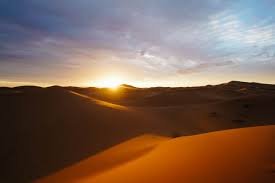
One of the most remarkable features of the Sahara Desert in Morocco is its sweeping golden dunes. These massive sand formations, such as those found in Erg Chebbi near Merzouga or Erg Chegaga near Zagora, stretch as far as the eye can see, creating a surreal environment where time seems to stand still. The undulating dunes shift their shapes with the wind, creating ever-changing landscapes that are mesmerizing to witness.
Magical Sunsets and Sunrises
The desert is particularly breathtaking during sunrise and sunset. As the sun dips below the horizon, the dunes glow in shades of orange, red, and violet, casting long shadows that accentuate their elegant curves. At dawn, the desert awakens with a soft, golden light, offering a tranquil moment that feels both spiritual and timeless. Many travelers describe these moments as highlights of their entire Moroccan journey.
A Glimpse into the Rich Cultural Heritage
Meeting the Berber People
The Moroccan Sahara is not just about landscapes—it is also home to indigenous Berber communities. These semi-nomadic people have lived in the desert for centuries, maintaining traditions and customs passed down through generations. By visiting their villages or staying in desert camps run by Berber families, you gain insight into their way of life, which revolves around hospitality, storytelling, and resilience in the face of the desert’s challenges.
Traditional Handicrafts and Cuisine
Cultural immersion also comes through arts, crafts, and food. Berber carpets, handwoven with colorful patterns, reflect deep symbolism and artistry. Jewelry crafted from silver and stones carries both beauty and cultural meaning. Culinary experiences are equally rich—expect to savor dishes such as tagine (slow-cooked stew), couscous, and freshly baked flatbreads. Meals often take place under the stars or inside traditional tents, adding a sense of authenticity to the dining experience.
Adventure Activities in the Sahara
Camel Treks Across the Dunes
No visit to the Sahara is complete without a camel trek. Riding these gentle animals across towering dunes allows you to experience the desert at a slower, more immersive pace. The rhythmic sway of the camel combined with the vast silence of the Sahara creates an unforgettable atmosphere.
Sandboarding, Quad Biking, and 4×4 Tours
For thrill-seekers, the desert offers adrenaline-pumping activities. Sandboarding down steep dunes is an exhilarating way to embrace the landscape, while quad biking and 4×4 off-road tours provide speed and excitement. These activities also allow you to explore remote parts of the desert that are otherwise hard to reach.
Overnight Desert Camping
Spending a night in the Sahara is a once-in-a-lifetime experience. Many tours include accommodation in Bedouin-style tents, complete with traditional rugs and lanterns. At night, the sky transforms into a glittering dome filled with countless stars, offering a sense of wonder rarely seen in urban environments. Around campfires, guests often enjoy music, drumming, and storytelling, deepening the cultural connection.
Oasis Escapes Amid the Sands
Despite its reputation as barren and dry, the Sahara also harbors oases—lush sanctuaries where palm groves and water sources thrive. Visiting an oasis is a refreshing break from the endless dunes. Here, travelers can enjoy the shade of date palms, relax by natural springs, or witness local farming practices. Some oases even offer swimming spots, where you can cool off and recharge before returning to the arid expanses.
Practical Information: Costs and Accessibility
Travel Costs
Unlike theme parks or landmarks, the Sahara Desert itself does not require an entrance ticket. However, costs are involved in arranging transportation, accommodation, and guided experiences. Organized tours typically range from $150 to $500 per person per day, depending on the season, level of luxury, and length of stay. Packages often include camel rides, overnight stays in desert camps, meals, and transfers from major Moroccan cities.
How to Reach the Sahara
The two main gateways to the Moroccan Sahara are Merzouga and Zagora.
- Merzouga (Erg Chebbi): Accessible from towns like Rissani or Erfoud, this area is famous for its towering dunes. Many travelers drive from Marrakech or Fes, stopping at scenic towns along the way.
- Zagora (Erg Chegaga): Known for a slightly less touristic atmosphere, Zagora can be reached via Ouarzazate. The dunes here are lower but spread out more widely, offering a different desert experience.
Both regions provide opportunities for camel rides, camping, and 4×4 tours.
Preparation and Essential Tips
What to Pack
Desert travel requires preparation. Essentials include lightweight yet modest clothing, sturdy footwear, hats, sunglasses, sunscreen, and plenty of water. Since temperatures can drop significantly at night, a warm jacket is also recommended.
Safety and Guidance
Traveling with an experienced local guide is strongly advised. The desert can be disorienting, and having professional support ensures both safety and a richer cultural experience. Guides often share stories, traditions, and practical knowledge that enhance the journey.
Respect for Culture and Environment
Visitors are encouraged to respect both local customs and the fragile desert ecosystem. Always dispose of waste responsibly, avoid disturbing wildlife, and honor Berber traditions when interacting with communities.
Conclusion
The Moroccan Sahara Desert is far more than just a vast stretch of sand—it is a place where natural wonders, cultural encounters, and thrilling adventures converge. From witnessing the beauty of golden dunes at sunrise to sharing tea with Berber hosts, every moment in the Sahara is steeped in meaning and magic. Whether you seek solitude, adrenaline, or cultural discovery, the desert delivers an experience unlike any other. With the right preparation and mindset, your journey into the Sahara will leave you with memories that last a lifetime—proof that this extraordinary desert truly is one of the greatest treasures of Morocco and the world.