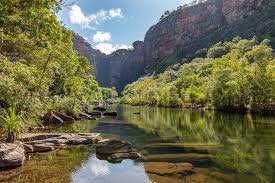
Have you ever dreamed of stepping into one of the largest and most fascinating national parks in the world? If so, Kakadu National Park in the Northern Territory of Australia should be at the top of your travel list. Spanning nearly 19,804 square kilometers—roughly the size of Slovenia—Kakadu is Australia’s largest national park and one of its most significant natural and cultural landmarks. Recognized as a UNESCO World Heritage Site, it combines breathtaking landscapes, remarkable biodiversity, and profound Indigenous heritage. This guide will walk you through the history, attractions, travel access, and essential tips to help you plan an unforgettable visit to Kakadu National Park.
A Brief History of Kakadu National Park
The name Kakadu originates from “Gagudju,” one of more than 20 Indigenous languages spoken in the area. Aboriginal people have lived here for over 60,000 years, making it one of the world’s longest continuous cultural histories. Their traditions, ceremonies, and environmental knowledge are still deeply connected to the land today. Visitors can witness this through sacred rock art, storytelling, and preserved cultural sites.
The park was officially established in 1979 after an agreement between the Australian government and the traditional owners. Today, it is jointly managed by Parks Australia and the Kakadu Board of Management, which includes representatives from Aboriginal communities. Kakadu has also been home to one of the world’s most productive uranium mines, the Ranger Mine, which ceased operations in January 2021.
Culturally, Kakadu boasts more than 5,000 documented rock art sites, including the world-renowned Ubirr, Nourlangie, and Nanguluwur galleries. These artworks illustrate life from prehistoric times to the era of European settlement. Beyond culture, Kakadu is celebrated for its extraordinary biodiversity, with diverse ecosystems ranging from wetlands to sandstone escarpments.
Things to See and Do
Discover Aboriginal Rock Art
Viewing Aboriginal rock art is one of the highlights of Kakadu. These ancient artworks portray hunting scenes, spiritual beliefs, and daily life across different eras. Sites such as Ubirr, Nourlangie, and Nanguluwur offer not only intricate paintings but also sweeping views over floodplains and rugged cliffs. For deeper insights, guided tours led by Aboriginal rangers provide context and meaning behind each artwork. While entry to rock art sites is included in the park pass, guided tours may require additional fees.
Explore the Park in Different Ways
Kakadu invites exploration through various activities depending on your interest and stamina. Visitors can hike scenic trails, cycle along bush paths, kayak across serene waterways, or camp under the stars. Along the way, you may encounter unique plant life, crocodiles basking on riverbanks, and colorful bird species. Natural wonders like cascading waterfalls, mysterious caves, and tranquil billabongs add to the park’s charm. Most trails are free with your park pass, though equipment rentals or organized activities may come with extra costs.
Learn About Local History and Culture
Kakadu offers rich opportunities to learn about both Aboriginal and non-Aboriginal histories. Beyond ancient rock art, you can explore visitor centers, museums, and cultural tours that showcase stories of explorers, missionaries, buffalo hunters, and miners who once shaped the region. Operators such as Kakadu Cultural Tours and Kakadu 4WD Safaris take visitors to significant sites, blending history with hands-on cultural experiences. Entry fees vary depending on the tour or attraction.
Enjoy Food and Entertainment
While nature takes center stage, Kakadu also offers memorable culinary and entertainment experiences. Local restaurants, cafes, and bars serve both international fare and traditional bush foods. Adventurous travelers can sample kangaroo, crocodile, or native shellfish prepared with modern flair. Festivals such as the Mahbilil Festival, Kakadu Bird Week, and Taste of Kakadu showcase music, dance, storytelling, and food, providing a deeper connection to the community.
Getting There
By Air
Flying is the fastest way to access Kakadu. Darwin International Airport, located about 250 kilometers from the park, connects with domestic and international cities through airlines such as Qantas, Virgin Australia, and Jetstar. Domestic flights range from $200 to $800, while international fares may cost between $800 and $1,500 depending on the season. From Darwin, visitors can rent a car, take a shuttle, or join a tour bus.
By Car
Driving offers flexibility and independence, allowing you to set your own pace. Car rentals from Darwin cost around $50–$100 per day. The journey to Kakadu takes approximately three hours along the Arnhem Highway. Travelers should ensure vehicles are roadworthy, check weather conditions, and carry enough fuel and emergency supplies.
By Bus
Budget-conscious travelers can opt for long-distance bus services such as Greyhound Australia. Buses connect Darwin with Jabiru, located in the heart of Kakadu, or Cooinda, near the famous Yellow Water Billabong. Fares typically range from $50–$100 for a one-way trip. While slower than flying or driving, buses offer a sustainable and cost-effective option.
Visitor Tips
Plan Your Visit by Season
Kakadu’s climate shifts dramatically between the dry season (May–October) and the wet season (November–April). The dry season offers cooler weather, accessible roads, and open sites, making it ideal for most travelers. The wet season, though hot and humid, transforms the landscape into lush greenery with powerful waterfalls. Some roads may flood, but the scenery becomes spectacularly vibrant.
Prepare for the Outdoors
Given its diverse environments, visitors should come prepared. Essentials include sturdy shoes, lightweight clothing, sun protection, insect repellent, and plenty of water. Checking weather forecasts and park alerts before heading out is crucial for safety.
Respect Nature and Culture
Kakadu is both a natural sanctuary and a cultural treasure. Respect local communities by following park rules, disposing of waste responsibly, and avoiding restricted areas. Supporting local businesses or conservation programs is another way to give back during your trip.
Embrace the Experience
Above all, enjoy what Kakadu has to offer. From rare wildlife sightings to centuries-old cultural stories, every moment in the park provides a unique perspective on Australia’s heritage.
Conclusion
Kakadu National Park is more than just Australia’s largest protected area—it is a living tapestry of culture, history, and biodiversity. Whether you are admiring rock art that spans millennia, cruising through wetlands alive with birdlife, or tasting bush-inspired cuisine, Kakadu promises an unforgettable adventure. Its combination of natural beauty and Indigenous heritage makes it one of the world’s most extraordinary travel destinations.
For travelers seeking a destination that inspires awe and respect in equal measure, Kakadu is not simply a place to visit—it is a journey into the heart of Australia’s identity.