Salar de Uyuni, the world’s largest salt flat, is a breathtaking natural marvel where the heavens seem to meet the earth. Situated in southwestern Bolivia at an elevation of 3,656 meters above sea level, this vast expanse of glimmering white salt stretches across more than 10,500 square kilometers. Its surreal landscapes make it one of South America’s most iconic destinations.
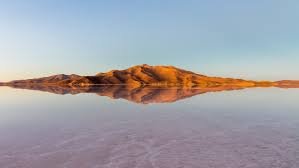
During the rainy season, the salt flat transforms into a colossal mirror, reflecting the sky so perfectly that it creates an infinite illusion of space. While Instagrammers and photographers flock to capture this extraordinary phenomenon, Salar de Uyuni is more than just a picture-perfect location. Its geological history, vibrant local culture, and unique ecosystem provide travelers with a rich and immersive experience.
The Origins of Salar de Uyuni
Salar de Uyuni is the remnant of the prehistoric Lake Minchin, which dried up approximately 40,000 years ago due to climate changes. Over millennia, evaporation left behind a salt crust that reaches up to 10 meters thick. Beneath this surface lie approximately 10 billion tons of salt and around 70% of the world’s lithium reserves, a critical resource for batteries in electronics and electric vehicles.
Location and How to Reach Salar de Uyuni
Salar de Uyuni is located in the Potosí Department of southwestern Bolivia, with the nearby town of Uyuni serving as the main gateway for travelers. There are several ways to reach this remote destination:
By Air
International visitors can fly into La Paz, Bolivia’s capital, and then take a domestic flight to Uyuni. Airlines such as Amaszonas and Boliviana de Aviación offer direct flights, making the journey relatively easy and quick.
By Road
For those starting from major cities like La Paz or Sucre, overnight buses to Uyuni are a popular choice. Though the trip can take 10–12 hours, it offers an unforgettable road experience through Bolivia’s dramatic landscapes.
From Chile
Salar de Uyuni is also accessible via tours from San Pedro de Atacama in Chile. Many travel agencies organize multi-day excursions that include the salt flats as a primary highlight.
Major Attractions of Salar de Uyuni
1. Giant Mirror Effect (December–April)
During the rainy season, a thin layer of water covers the salt flat, creating a massive natural mirror. This reflective surface duplicates the sky, clouds, and surrounding mountains, producing a mesmerizing effect that looks like walking on air. Photographers and travelers from around the world are drawn to this unique spectacle.
2. Isla Incahuasi – The Cactus Island
Amid the vast salt desert, Isla Incahuasi rises like an oasis, covered with massive Trichocereus cacti that can grow up to 10 meters tall and are hundreds of years old. Climbing to the island’s summit rewards visitors with 360-degree panoramic views of the endless white salt plains. Entrance is approximately 30 BOB (~$4.50 USD).
3. Train Cemetery (Cementerio de Trenes)
The rusting remains of 19th-century locomotives stand as silent witnesses to Bolivia’s mining past. This site has become a popular location for vintage-style photography, set against the dramatic Bolivian sky.
4. Laguna Colorada
Part of Eduardo Avaroa National Park, Laguna Colorada captivates visitors with its striking red waters, caused by mineral-rich algae. The shallow lake is home to thousands of Andean flamingos, creating an extraordinary wildlife viewing experience.
Fun Activities at Salar de Uyuni
Creative Photography
The flat, featureless salt surface allows for endless creative photo opportunities. Travelers can create optical illusions, such as “holding” a friend in their hand or “jumping” over oversized props. Small items like toys or bottles can make the photos even more imaginative.
Staying in Salt Hotels
Experience a night in structures entirely built from salt! Hotels like Palacio de Sal and Luna Salada use salt blocks for walls, floors, and furniture. Some even serve drinks in salt glasses, offering a unique and memorable stay.
Stargazing
With virtually no light pollution, Salar de Uyuni is an exceptional location for observing the Milky Way. Clear nights reveal countless stars reflecting off the salt, creating a magical celestial spectacle.
Multi-Day Tours
Three- to four-day tours provide an immersive experience of Salar de Uyuni and surrounding natural wonders. These excursions often begin in Uyuni, Bolivia, or San Pedro de Atacama, Chile, visiting highlights like Eduardo Avaroa National Reserve, colorful lakes, hot springs, and volcanic landscapes.
Facilities and Services
- Accommodation: Uyuni offers a range of hotels and hostels, including the famous salt hotels.
- Dining: Local restaurants serve traditional Bolivian cuisine.
- Tour Agencies: Numerous agencies provide one- to three-day tours of Salar de Uyuni and the surrounding attractions.
Ticket Prices & Operation
- Salar de Uyuni: Free to visit but guided tours are recommended (3-day tours start around 700 BOB/~$100 USD).
- Eduardo Avaroa National Park: Entry 150 BOB (~$22 USD).
- One-day tours typically cost $50–80 USD per person, while 3-day tours covering Laguna Colorada and Laguna Verde start at $150–200 USD.
Must-Try Local Cuisine
- Quinoa Soup: Warm and hearty, perfect for the cold high-altitude climate.
- Llama Steak: Grilled llama meat seasoned with local spices.
- Salteñas: Bolivian-style pastries filled with meat and vegetables.
Essential Travel Tips
- Acclimatization: Spend 1–2 days in La Paz or Uyuni to adapt to the high altitude.
- Cash: ATMs in Uyuni are limited; bring Bolivianos or USD.
- Layered Clothing: Temperatures can reach 20°C during the day and drop to -10°C at night.
- Sun Protection: Sunglasses and sunscreen are essential due to the reflective salt surface.
Nearby Destinations
1. Colchani Village
This small village thrives on traditional salt harvesting. Visitors can witness the production process and explore the Salt Museum, showcasing miniature sculptures and buildings made from salt. Some houses even incorporate salt blocks into their construction.
2. Sol de Mañana
A geothermal area at 4,850 meters above sea level, reminiscent of Mars. Geysers erupt 10–50 meters high, while boiling mud pools create dramatic sounds. Nearby Laguna Polques offers natural hot springs for relaxation.
3. Laguna Verde
A striking green volcanic lake colored by minerals such as arsenic and copper. It lies at the base of the cone-shaped Licancabur Volcano, which forms part of the Bolivia-Chile border. The area offers excellent photography, fumarole exploration, and hiking opportunities.
Conclusion
Salar de Uyuni is a place where nature’s grandeur and cultural richness intersect. From its vast reflective salt flats to its traditional villages and geothermal wonders, every corner offers a story. Whether you’re an avid photographer, an adventure seeker, or simply a lover of extraordinary landscapes, Salar de Uyuni promises an unforgettable journey through one of the world’s most unique natural settings.