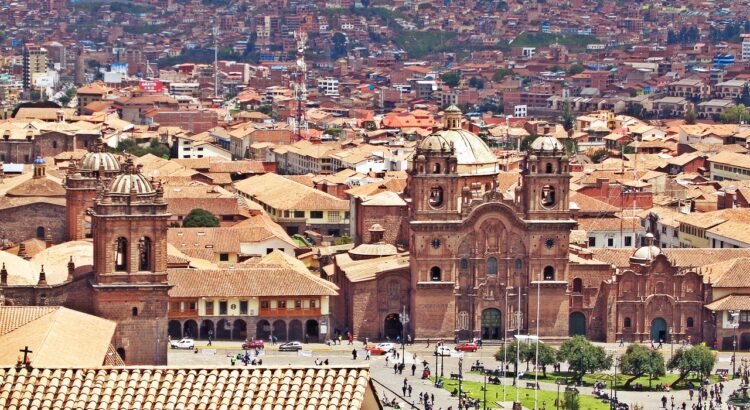
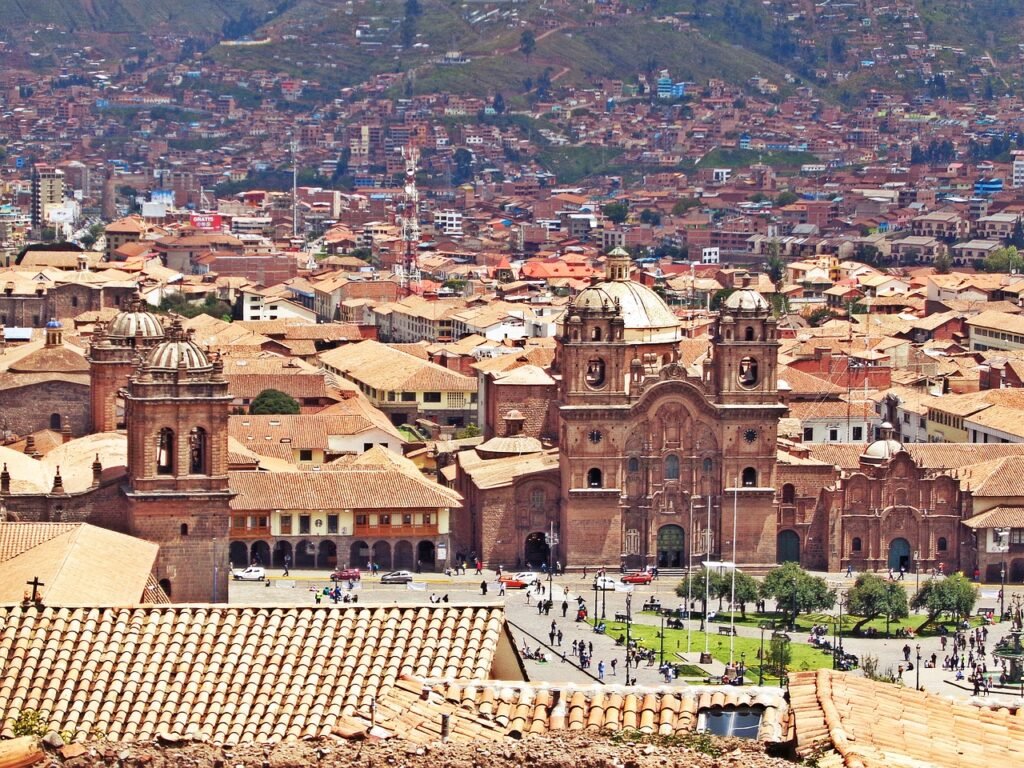
Cusco, often celebrated as the former capital of the Inca Empire, is widely regarded as one of the oldest continuously inhabited cities in the Americas. Nestled in the Peruvian Andes, this UNESCO World Heritage City offers a unique blend of Incan history and Spanish colonial architecture. While many travelers visit Cusco primarily as a gateway to Machu Picchu, the city itself boasts a wealth of historic sites, churches, and cultural landmarks that deserve exploration. From majestic fortresses to intricately designed cathedrals, Cusco provides a journey through centuries of history and artistry.
This guide will highlight some of the most fascinating attractions in Cusco beyond Machu Picchu, focusing on architectural marvels, cultural institutions, and the rich heritage that makes this city a must-visit destination in South America.
Inca and Colonial Heritage
Santo Domingo and Coricancha: The Temple of the Sun
One of Cusco’s most significant historical sites is Santo Domingo Church, built atop the ruins of the ancient Coricancha, or Temple of the Sun. Coricancha was a sacred Inca temple dedicated to the sun god, and today, its stone foundations remain visible beneath the colonial structure. The church’s interior features impressive six-meter-high arches that accentuate every corner, showcasing the unique fusion of Inca and Spanish architecture. Remarkably, Santo Domingo survived several major earthquakes in 1650, 1950, and 1986, making it a rare example of enduring colonial construction in the region.
Sacsayhuaman: The Inca Fortress
Located just north of Cusco’s city center, Sacsayhuaman is a monumental fortress built by the Incas in the 15th century. The site stretches approximately 300 meters and is renowned for its massive stone blocks, some weighing several tons, meticulously fitted together without mortar. Beyond its impressive scale, Sacsayhuaman continues to astonish modern engineers, who marvel at the precision and ingenuity of Inca construction methods. This fortress is not only a testament to the Incas’ architectural skill but also a symbol of their military and strategic prowess.
Religious Landmarks
Cusco Cathedral: A Renaissance Masterpiece
Construction of Cusco Cathedral began in 1559 and was completed in 1669. Built in the Renaissance style, it occupies the site of the former Inca royal palace, blending colonial and indigenous influences. Inside, the cathedral houses over 400 paintings from the 16th and 17th centuries, reflecting traditional European religious art. The three-story structure is supported by 14 pillars and stands proudly in the city’s main square, Plaza de Armas, serving as a central hub for both worship and tourism.
La Compañía: Baroque Splendor
Situated adjacent to Cusco Cathedral in Plaza de Armas, La Compañía Church is an exquisite example of Baroque architecture. Its façade has historically sparked debates for potentially outshining the neighboring cathedral. The church is renowned for its detailed stonework and decorative elements. In the evening, La Compañía is beautifully illuminated, creating a stunning visual effect that highlights its intricate architectural features and enhances the city’s nighttime charm.
La Merced: A Church of Riches and History
La Merced Church, also located in Plaza de Armas, is considered the third most important church in Cusco. Although originally completed in 1556, the structure suffered significant damage from earthquakes and was rebuilt in the mid-17th century. Today, it is famous for its golden altars, precious stones, and large pearls, which serve as key attractions for visitors. The church combines historical significance with artistic beauty, offering a glimpse into Cusco’s religious and colonial heritage.
Cusco’s Cultural and Architectural Treasures
Cusco is a city where every street tells a story. Beyond the major churches and fortresses, the city’s colonial architecture, vibrant plazas, and historic neighborhoods reflect centuries of cultural fusion. The Plaza de Armas itself is a microcosm of the city’s history, surrounded by stunning colonial buildings, local markets, and lively cafés. Strolling through these areas allows visitors to experience the daily life of Cusqueños while appreciating the artistic and architectural legacy of both Inca and Spanish influences.
The city also offers numerous museums, cultural centers, and artisan shops that showcase Peruvian crafts, textiles, and artworks. From intricate carvings to traditional weaving techniques, these cultural venues provide visitors with an immersive experience into the local heritage.
Tips for Visiting Cusco
- Plan for Altitude: Cusco sits at over 3,400 meters above sea level, so visitors should allow time to acclimate and stay hydrated.
- Explore Beyond Machu Picchu: While the famous citadel is a must-see, dedicate time to visit the city’s churches, fortresses, and plazas.
- Hire Knowledgeable Guides: To fully appreciate Cusco’s history and architecture, consider hiring local guides who can provide context and stories behind the landmarks.
- Respect Local Customs: Cusco’s sites are not only tourist attractions but also sacred places. Observing local customs and rules helps preserve the cultural and historical integrity of these spaces.
- Wear Comfortable Footwear: Many streets are cobblestone, and exploring the city and nearby ruins involves walking on uneven terrain.
Conclusion
Cusco is far more than a gateway to Machu Picchu—it is a vibrant city steeped in history, culture, and architectural wonders. From the sacred Inca stones of Coricancha to the grandeur of Cusco Cathedral, La Compañía, and La Merced, the city offers countless treasures for history enthusiasts, art lovers, and curious travelers alike. Sacsayhuaman’s massive stones and sophisticated construction remind us of the ingenuity of the Inca civilization, while the colonial-era churches and plazas showcase the Spanish influence that shaped the city over centuries.
Visiting Cusco provides an opportunity to immerse oneself in a rich tapestry of cultural heritage, making it a unique destination in the Americas. Beyond Machu Picchu, Cusco’s historical sites, vibrant plazas, and architectural masterpieces ensure that every traveler leaves with memories of a city where the past and present harmoniously coexist.