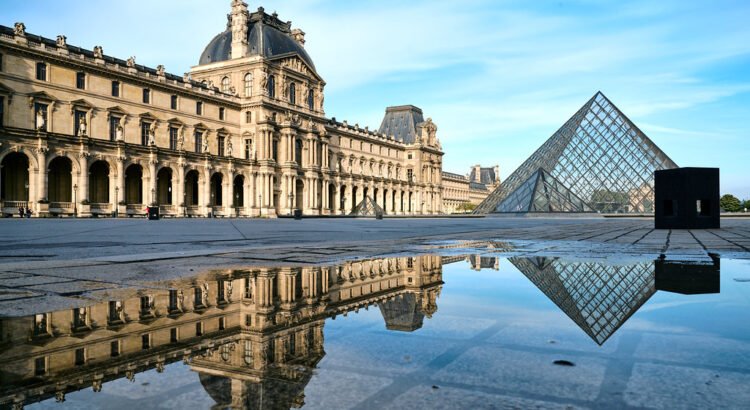
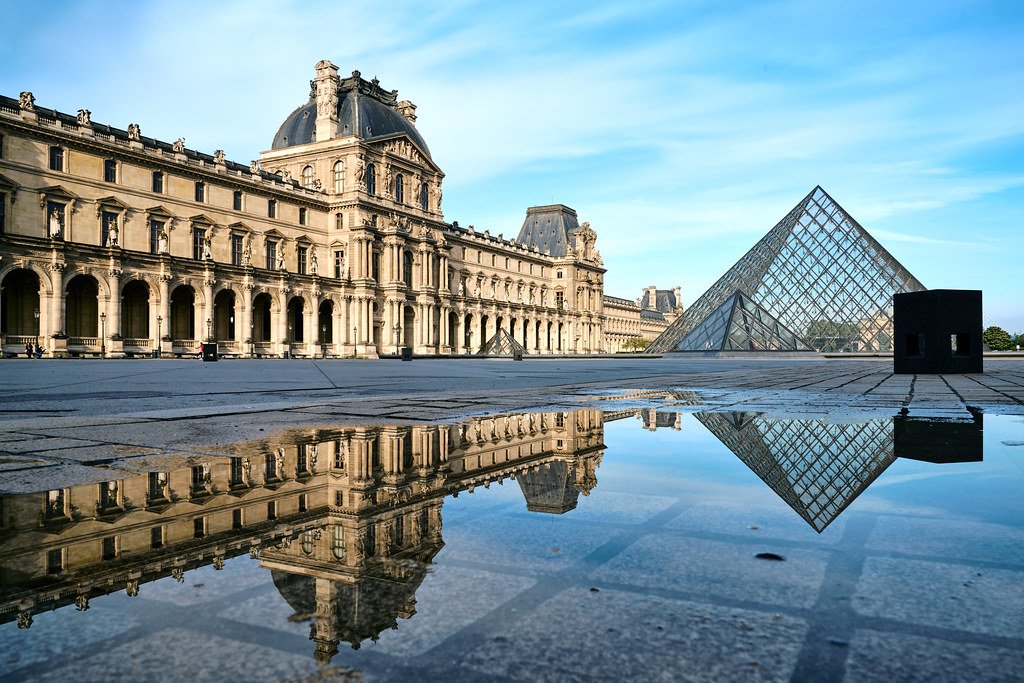
Planning a trip to Paris soon? Whether you are an art enthusiast, history buff, or simply curious about the world-famous painting with the enigmatic smile, the Louvre Museum is an essential stop. Home to Leonardo da Vinci’s iconic Mona Lisa, the Louvre welcomes millions of visitors each year. Its glass pyramid entrance and grand halls, filled with centuries of European art and history, have made it the most visited art museum in the world.
With over 35,000 works of art on display, a visit can feel overwhelming. But don’t worry—this guide provides everything you need to make the most of your Louvre experience, from its fascinating history and must-see highlights to practical tips on avoiding long queues.
A Brief History of the Louvre Museum
From Fortress to Royal Palace
Did you know that the Louvre was not always a museum? Originally built as a medieval fortress in the late 12th century under King Philip II, it later became a royal residence during the 16th century. Over time, the palace underwent numerous transformations, reflecting the tastes and ambitions of successive monarchs.
Transition to a Public Museum
In the 17th century, King Louis XIV moved the royal residence to Versailles, seeking privacy from the public and centralizing his power. The Louvre gradually lost its status as a royal residence and fell into disuse. Finally, in 1793, during the French Revolution, the National Assembly officially opened the Louvre to the public as a museum. Over the centuries, expansions and modifications by new rulers have shaped the Louvre into the monumental cultural landmark we know today.
Spanning approximately 652,300 square feet—equivalent to about eight and a half soccer fields—the Louvre displays thousands of artworks in its expansive halls.
Why the Louvre Is World-Renowned
A Living Timeline of Art and Culture
The Louvre Museum is more than just a collection of artworks; it is a living timeline of art, culture, and history. From royal residence to world-class museum, it houses masterpieces from around the globe. The museum’s renown stems not only from its size and grandeur but also from the quality and diversity of its collection.
Visitors can encounter ancient Egyptian mummies, Greek statues, Renaissance paintings, and Islamic art—all under one roof. Iconic pieces such as the Venus de Milo, the Hellenistic statue Winged Victory of Samothrace, and of course, Leonardo da Vinci’s Mona Lisa, draw millions each year.
The Iconic Glass Pyramid
Designed by architect I.M. Pei, the Louvre’s glass pyramid serves as a modern architectural landmark that rivals even the Eiffel Tower in popularity. It provides a striking entrance and has become a symbol of the museum’s fusion of classical and contemporary design.
Planning Your Visit
When to Go
The Louvre is open daily from 9:00 a.m. to 6:00 p.m., except Tuesdays when it is closed. On Wednesdays and Fridays, the museum remains open until 9:00 p.m. Weekdays are generally quieter, while weekends see larger crowds. Visitors can enter until the last admission time, but galleries close 30 minutes before the museum itself closes.
Skip the Lines
To maximize your time, it is recommended to purchase tickets online in advance. This allows you to bypass long queues and enter the museum directly, saving valuable time for exploration.
How to Get There
The Louvre is located in the heart of Paris, in the 1st arrondissement. The easiest way to reach it is via the Paris Metro: take Line 1 or Line 7 to Palais Royal – Musée du Louvre station, then follow the signs to the main entrance beneath the glass pyramid.
How Much Time Do You Need
Given the museum’s immense size, it is impossible to see everything in a single visit. Most visitors spend around four hours exploring the highlights, which allows time to admire the most famous works without feeling rushed. If you want a more leisurely experience, plan to spend at least half a day exploring the main wings: Denon, Sully, and Richelieu.
What to Expect Inside the Louvre
The museum is divided into three primary wings:
Denon Wing
Home to the Mona Lisa, Liberty Leading the People, and other iconic paintings. The Denon Wing also features the expansive Grande Galerie.
Sully Wing
Features ancient Egyptian artifacts, the Venus de Milo, and remnants of the original fortress.
Richelieu Wing
Showcases French sculptures, Napoleon’s apartments, and additional masterpieces.
Curatorial Departments
The Louvre has eight main departments: Egyptian Antiquities, Near Eastern Antiquities, Greek, Etruscan and Roman Antiquities, Paintings, Sculptures, Decorative Arts, Prints and Drawings, and Islamic Art. Artworks range from 600 BCE to the 19th century, offering a comprehensive view of human artistic achievement across millennia.
The “Big Three” Must-See Works
If your time is limited, prioritize these world-famous pieces:
- Mona Lisa (La Joconde) – This small portrait with its enigmatic smile draws huge crowds daily, but its subtle charm captivates every viewer.
- Venus de Milo – An iconic Greek statue representing classical beauty, located in the Sully Wing.
- Winged Victory of Samothrace – A dramatic Hellenistic sculpture of the goddess Nike, perched atop the Daru staircase, appearing ready to take flight.
Additional Highlights
Other notable works include Liberty Leading the People by Eugène Delacroix, The Coronation of Napoleon by Jacques-Louis David, and the Code of Hammurabi, one of the oldest known written legal codes.
Final Tips Before You Go
- Two hours enough? If you aim only to see the Big Three, two hours can suffice. For a deeper exploration, plan at least half a day.
- Plan your route in advance to ensure you don’t miss your favorite artworks.
- Bring a guidebook or app to enhance your experience and provide historical context.
Conclusion
The Louvre Museum is a must-visit destination in Paris, combining unmatched historical significance, artistic excellence, and architectural beauty. From the enigmatic Mona Lisa to ancient masterpieces and iconic sculptures, it offers a comprehensive journey through human creativity and history. With careful planning, visitors can enjoy a fulfilling and memorable experience, whether spending a few hours or an entire day exploring its vast galleries. For anyone traveling to Paris, the Louvre remains an unmissable cultural treasure.