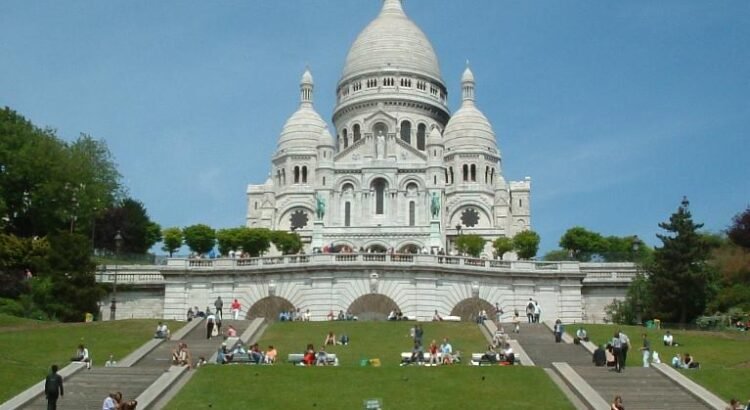
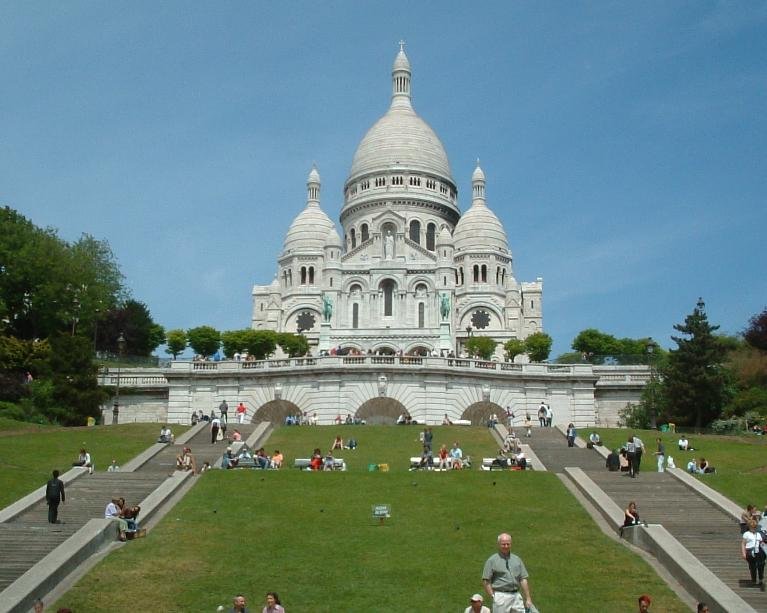
Paris, often hailed as the City of Love and the City of Art, is a destination that captivates travelers from around the world. Among its many treasures, Montmartre and the Sacré-Cœur Basilica stand out as must-visit sites. Montmartre, a picturesque hill in northern Paris, offers a rich blend of history, culture, and artistic heritage. Perched atop this hill is the Sacré-Cœur Basilica, a magnificent Catholic church that not only dominates the skyline but also provides visitors with unforgettable views and experiences. Together, Montmartre and Sacré-Cœur present a unique opportunity to immerse yourself in the artistic and spiritual essence of Paris.
History and Cultural Significance
The Origins of Montmartre
Montmartre boasts a long and fascinating history. Its name is derived from the Latin term Mons Martis, meaning the Hill of Mars, after the Roman god of war. According to legend, the site is where Saint Denis, the patron saint of Paris, was beheaded by the Romans in the 3rd century. It is said that his head was carried by angels to the location that later became the Basilica of Saint Denis.
During the Middle Ages, Montmartre became home to a Benedictine abbey founded by King Louis VI in 1134. The abbey was renowned for its vineyards, producing wine that was highly prized, and it served as a residence for several notable saints, including Saint Bernard of Clairvaux and Joan of Arc.
Montmartre as an Artistic Hub
In the 18th and 19th centuries, Montmartre emerged as a thriving center for artists, writers, and painters. Renowned figures such as Vincent van Gogh, Pablo Picasso, Claude Monet, Henri de Toulouse-Lautrec, Edgar Degas, and Pierre-Auguste Renoir lived and worked in this area. The neighborhood’s bohemian atmosphere and vibrant cafés, bars, and cabarets, including the Moulin Rouge, Le Chat Noir, and Lapin Agile, provided the perfect setting for creativity and artistic collaboration.
Historical Events of the 20th Century
Montmartre witnessed key moments in French history, from the Paris Commune of 1871 to World Wars I and II, the Liberation of Paris in 1944, and the social movements of May 1968. During this period, the Sacré-Cœur Basilica was conceived and constructed as a symbol of penance and devotion, built to commemorate France’s perceived moral restoration following the defeat in the Franco-Prussian War of 1870–1871.
Sacré-Cœur Basilica Construction
Construction of the Sacré-Cœur Basilica began in 1875 and was completed in 1914. Designed by architect Paul Abadie in a Roman-Byzantine style, the basilica is crowned by a dome reaching 83 meters, making it the second-highest point in Paris after the Eiffel Tower. Among its remarkable features is the Savoyarde, the largest bell in France, weighing 19 tons, which echoes the basilica’s spiritual presence throughout the city.
Attractions and Activities
Panoramic Views of Paris
One of Montmartre and Sacré-Cœur’s main draws is the breathtaking view of Paris from 130 meters above the city. From the hilltop, visitors can enjoy sweeping vistas that include the Champs-Élysées, Place de la Concorde, the Louvre, the Eiffel Tower, and Notre-Dame Cathedral. For a more elevated perspective, climbing to the top of the basilica’s dome provides an even more spectacular panorama. Tickets for this experience cost approximately €6 for adults and €4 for children.
Admiring the Basilica’s Architecture and Art
Sacré-Cœur is one of Paris’ most striking churches, with its pristine white exterior and elaborate design. Inside, visitors can marvel at the grand mosaic of the Sacred Heart of Jesus, spanning 475 square meters, intricate statues of saints and angels, colorful stained-glass windows, and a magnificent pipe organ. The basilica also houses the Tomb of the Unknown Soldier, complete with an eternal flame honoring those who perished in World War I.
Exploring Montmartre’s Artistic Life
For lovers of art and culture, Montmartre is a treasure trove. The neighborhood preserves the legacies of its famous artists, writers, and painters. Museums such as the Musée de Montmartre, Musée Gustave Moreau, and Espace Dalí offer insight into Montmartre’s rich artistic heritage. Visitors can also witness street painters selling their work at Place du Tertre or enjoy performances at local theaters like Théâtre de l’Atelier, Théâtre des Abbesses, and Théâtre du Trianon. Additionally, the area’s historic cabarets and cafés continue to provide a lively cultural scene.
Experiencing Montmartre’s History and Traditions
Montmartre’s history is visible in its historic buildings, including the Basilica of Saint Denis, the Benedictine Abbey, and the Moulin de la Galette. Guided tours provide detailed insights into local legends and historical events. Seasonal festivals, such as the Fête des Vendanges in October, the Fête de la Musique in June, and the Fête du Printemps in May, allow visitors to experience local traditions and celebrations firsthand.
Shopping and Dining
Montmartre is also ideal for shopping and dining. Visitors can explore unique boutiques offering antiques, books, handmade jewelry, and Montmartre-themed souvenirs. Dining options range from traditional French cuisine to international flavors, including Italian, Moroccan, Vietnamese, and Indian dishes. Must-try local specialties include crêpes, croque-monsieur, and quiche, which reflect the neighborhood’s culinary charm.
How to Reach Montmartre and Sacré-Cœur
Public Transportation
Visitors can easily access Montmartre and Sacré-Cœur via the Paris Métro:
- Anvers Station (Line 2): About a 10-minute walk north to Sacré-Cœur.
- Abbesses Station (Line 12): Take stairs or a lift to Place des Abbesses, then walk 15 minutes northeast to the basilica.
- Lamarck – Caulaincourt Station (Line 12): Approximately a 10-minute walk south to Sacré-Cœur.
Buses (Lines 30, 54) and the Montmartrobus provide additional options. A funicular near Anvers or Abbesses offers a convenient ride to the hilltop for €1.90 per single trip, or visitors can use a valid metro ticket.
Private Transportation
For those driving, several parking options are available near Montmartre and Sacré-Cœur, including Parking Anvers, Parking Clichy Montmartre, Parking Place du Tertre, and Parking Sacré-Cœur. Fees vary based on location and duration.
Visitor Tips
- Dress Appropriately: Montmartre’s hilltop location can be cold and windy year-round. Warm, wind-resistant clothing, comfortable shoes, sunglasses, hats, sunscreen, and water are recommended.
- Choose the Right Time to Visit: To avoid crowds, visit early in the morning, late afternoon, or on weekdays. Avoid major holidays or special events.
- Use Public Transportation: Metro, buses, or funicular rides are convenient and cost-effective. Consider Paris Visite or Navigo Découverte cards for unlimited travel within a certain period.
- Take a Guided Tour: Guided tours enhance your experience with historical and cultural insights. Options include local operators, online platforms, or free volunteer-led tours. Audio and app-based tours are also available.
- Respect Local Etiquette: Montmartre and Sacré-Cœur are places of cultural, historical, and religious importance. Visitors should behave respectfully, honor local customs, and adhere to rules such as no smoking, proper attire, and minimal noise in sacred areas.
Conclusion
Montmartre and the Sacré-Cœur Basilica epitomize the artistic and spiritual soul of Paris. From panoramic city views to historic churches and vibrant cultural streets, these landmarks offer a unique combination of history, art, and breathtaking scenery. Whether you are an art aficionado, a history enthusiast, or simply a traveler seeking memorable experiences, Montmartre and Sacré-Cœur provide an unforgettable glimpse into the heart of Paris. Careful planning, respectful behavior, and a sense of curiosity will ensure that your visit to this iconic area is both inspiring and enjoyable.