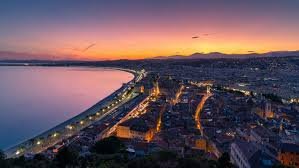
The French Riviera, also known as the Côte d’Azur—literally the “Blue Coast”—has long been synonymous with glamour, sun-soaked beaches, and lavish lifestyles. Stretching along the Mediterranean coastline of southeastern France, this region has been a playground for aristocrats and celebrities since the 18th century. Beyond its luxury villas and sparkling marinas, the Riviera offers a wealth of cultural attractions, picturesque villages, fragrant lavender fields, and vibrant local traditions. Here’s a guide to ten must-see destinations along the French Riviera, along with tips on where to stay and what to experience in each location.
Saint-Tropez: The Iconic Coastal Gem
No discussion of the French Riviera is complete without mentioning Saint-Tropez. This iconic coastal town, long associated with international jet-setters and French film stars like Brigitte Bardot, epitomizes the essence of the South of France. Its marinas are filled with luxury yachts, while charming boutique hotels and fresh local cuisine define its allure. Visitors can savor the region’s signature bouillabaisse or indulge in the famous tarte tropézienne. Saint-Tropez remains a symbol of elegance and Mediterranean leisure.
Menton: A Serene Escape
For travelers seeking a quieter experience, Menton offers the charm of a coastal village without the crowds. Its six beaches remain mostly empty outside peak holiday seasons, and boutique-lined streets are far less congested than more famous Riviera towns. Known as the “Pearl of France,” Menton enjoys over 316 days of sunshine each year. Its gardens are stunning, and its cuisine blends French and Italian influences due to its proximity to the border. A short train ride connects visitors to Monaco or the Italian resort town of Ventimiglia. In February, the city hosts the famed Lemon Festival (La Fête du Citron), celebrating its historic citrus cultivation.
Antibes: Literary and Artistic Heritage
Beyond glamorous yachts and photogenic beaches, Antibes is steeped in history and artistic legacy. The Cap d’Antibes area, particularly Villa Saint Louis (now the Belles-Rives Hotel), was home to F. Scott Fitzgerald and his family in the 1920s, inspiring part of his novel Tender Is the Night. The city also offers cultural attractions like Cours Masséna, local Provençal markets, and the Picasso Museum, housed in the former Château Grimaldi where Picasso lived and worked in 1946. Antibes presents a perfect blend of scenic beauty, cultural richness, and artistic history.
Marseille: A Vibrant and Emerging Destination
Although often overshadowed by glitzy Riviera towns, Marseille—the second-largest city in France—offers an authentic and affordable coastal experience. Its dynamic art scene, stylish beach clubs, and innovative gastronomy make it increasingly popular among travelers. Notable culinary spots include Livingston, featuring chef residencies, and Planète Livre Marseille la Passerelle, a trendy natural wine bar. Recent infrastructural improvements for the 2024 Olympics and Marseille’s previous designation as European Capital of Culture have enhanced the city’s appeal, making it a must-visit destination in 2025.
Old Town, Nice: Colorful Streets and Urban Charm
Vieille Ville, or Old Town, in Nice is a labyrinth of narrow, picturesque streets filled with restaurants, galleries, and bustling shops. Cafés dot the town squares, perfect for leisurely people-watching over coffee. Visitors can explore the nearly one-mile-long Promenade du Paillon, a public park connecting the city’s botanical gardens with the Museum of Modern and Contemporary Art (currently under renovation) and the famous Promenade des Anglais, Nice’s iconic waterfront walkway.
La Colline du Château: Panoramic Views of Nice
After exploring Old Town, a climb up La Colline du Château (“Castle Hill”) rewards travelers with breathtaking panoramic views of Baie des Anges, the Old Town, and the diverse cityscape of Nice. Overlooking the sparkling Mediterranean, the hill also features a green park ideal for picnics and relaxation. While only a few castle ruins remain at the summit, the scenery alone makes the climb worthwhile.
Cannes: Culture, Beaches, and Islands
Famed worldwide for the Cannes Film Festival and luxury lifestyle, Cannes retains its charm as a sun-soaked coastal destination. Beyond the glitz, visitors can explore cultural and natural attractions. Le Suquet, the old quarter, features pastel-colored houses and winding streets, leading to the Musée des Explorations du Monde in a medieval fortress overlooking the marina. For a peaceful escape, take a 15-minute ferry to the Lérins Islands: Île Saint-Honorat, known for its historic monastery and forested landscapes, and Île Sainte-Marguerite, with secluded beaches and hidden coves.
Èze: Medieval Village on a Cliff
Perched atop steep cliffs overlooking the Mediterranean, Èze is a serene step back in time. Well-preserved stone buildings, winding alleys, 14th-century chapels, and dramatic coastal views create a fairy-tale atmosphere. The summit, 1,400 feet above sea level, can be reached via scenic trails like the famous Nietzsche Path, which inspired the philosopher while writing Thus Spoke Zarathustra. At the top, visitors find the medieval fortress and the Jardin Exotique, filled with exotic succulents and desert flora, making it a photographer’s dream.
Grasse: Perfume Capital of the World
Grasse, a tranquil medieval town, is internationally renowned as the perfume capital. Famous perfume houses, such as Fragonard, offer free tours, but the true attraction is the surrounding lavender fields, which dominate the hilly landscape. August brings the Jasmine Festival, a three-day celebration featuring parades, dancing, and floral displays. Conveniently located between Cannes and Nice, Grasse is perfect for a short visit to explore its perfume heritage and enjoy the scent of endless lavender fields.
Monaco: Luxury and Glamour
Nestled between France and the Mediterranean, Monaco epitomizes opulence. Known for its lavish lifestyle, visitors can explore iconic sites such as the Prince’s Palace, Fort Antoine, and Monaco Cathedral without overspending. The port offers views of luxury yachts, while Monte Carlo Casino provides a glamorous finale to the Riviera experience. Despite its reputation, Monaco remains accessible for travelers who appreciate sophistication and Mediterranean elegance.
Conclusion
The French Riviera is more than a playground for the wealthy; it is a diverse region combining natural beauty, historic charm, cultural richness, and world-class cuisine. From the bustling streets of Nice and the medieval heights of Èze to the lavender fields of Grasse and the glamour of Saint-Tropez and Monaco, each destination offers a unique perspective on the Côte d’Azur. Whether exploring coastal towns, indulging in culinary delights, or soaking up the Mediterranean sun, the French Riviera invites visitors to experience luxury, history, and scenic splendor in one unforgettable journey.