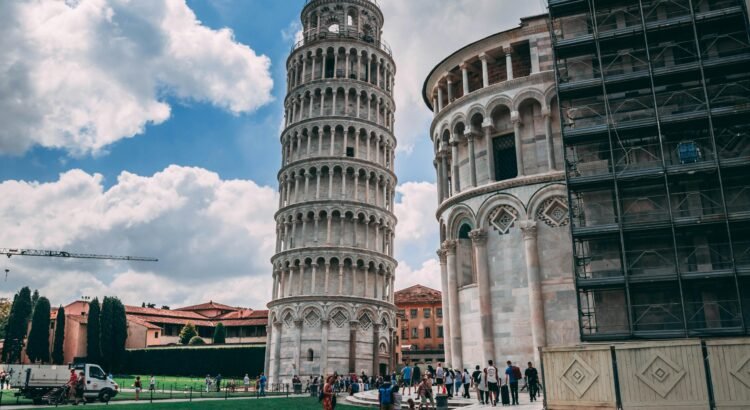

The Leaning Tower of Pisa, located in the charming city of Pisa, Italy, stands as one of the most recognizable landmarks worldwide. Renowned for its distinctive tilt, this architectural marvel draws millions of visitors each year who come to witness its unique charm and historical significance. Beyond its famed inclination, the tower forms part of a larger UNESCO World Heritage site, the Piazza dei Miracoli, which includes the Pisa Cathedral, Baptistery, and Camposanto Monumentale. This article provides a comprehensive guide to the history, unique features, activities, and travel tips for visiting the Leaning Tower of Pisa.
Visiting Pisa is not only about seeing a leaning tower; it’s about immersing yourself in centuries of art, history, and engineering ingenuity. Whether you plan to climb the tower, explore the surrounding religious and cultural sites, or simply capture stunning photographs, Pisa offers an unforgettable experience for travelers of all interests.
History of the Leaning Tower of Pisa
Origins and Construction
Construction of the Leaning Tower of Pisa began in 1173 as part of the grand cathedral complex in the Piazza dei Miracoli, also known as the Square of Miracles. The tower was originally intended to serve as a freestanding bell tower for the Pisa Cathedral. However, shortly after completing the third floor, the structure began to lean due to its foundation being laid on soft, unstable soil.
Construction was halted for nearly a century because of wars and political instability. Interestingly, this pause allowed the soil beneath the foundation to settle, preventing a more catastrophic collapse. The tower was finally completed in 1372, reaching approximately 56 meters at its tallest point and 55 meters at its lowest. Over the centuries, Pisa Tower became a symbol of architectural resilience and human ingenuity, capturing the fascination of engineers, historians, and tourists alike.
Preservation Efforts
In the 20th century, significant stabilization efforts were undertaken to prevent the tower from leaning further. Engineers employed modern techniques, including soil extraction and anchoring, to maintain the tower’s iconic tilt while ensuring safety for visitors. Today, the Leaning Tower of Pisa remains one of the most well-preserved medieval structures in Europe.
Unique Features and Attractions
Iconic Tilt
The defining characteristic of the Leaning Tower of Pisa is its tilt, which measures approximately 3.97 degrees. Rather than being a flaw, the lean has become the tower’s most celebrated feature, making it one of the world’s most photographed and visited architectural wonders.
Romanesque Architecture
The tower exemplifies Romanesque architecture with its elegant white marble façade and detailed carvings. Each tier features a series of columns and arches that highlight the medieval craftsmanship and artistic sensibilities of the period. The tower’s style resonates with the broader architectural aesthetics of the Pisa Cathedral and the surrounding Piazza dei Miracoli.
Piazza dei Miracoli
The Leaning Tower of Pisa is located within the Piazza dei Miracoli, a UNESCO World Heritage site that also includes the Pisa Cathedral, Baptistery, and Camposanto Monumentale. This square represents centuries of religious, cultural, and artistic development in Pisa and serves as a central hub for tourists exploring the city’s historical heritage.
Activities at the Leaning Tower of Pisa
Climbing the Tower
One of the most memorable experiences is ascending the Leaning Tower of Pisa. Visitors must climb 294 winding steps, navigating the tilted structure as they ascend. At the summit, travelers are rewarded with panoramic views of Pisa, including its charming rooftops, cathedral, and the surrounding Tuscan landscape.
Creative Photography
The tower is famous for interactive photography, with tourists often posing as if they are holding up or pushing over the leaning structure. This playful tradition has become a must-do activity for visitors, providing fun and memorable photo opportunities.
Visiting Pisa Cathedral
Adjacent to the tower, Pisa Cathedral showcases breathtaking art and architecture. The interior features mosaics, intricate ceilings, and religious artifacts that highlight medieval artistry. A visit to the cathedral complements the tower experience, offering deeper insight into Pisa’s historical and spiritual significance.
Exploring the Baptistery and Camposanto
The Baptistery in Pisa is noted for its remarkable acoustics and classical architectural design, making it a highlight for visitors interested in religious art and history. The Camposanto Monumentale, a monumental cemetery, contains medieval frescoes and sculptures, providing a reflective and culturally rich experience for travelers.
Shopping for Souvenirs
Around Piazza dei Miracoli, numerous shops sell Pisa-themed souvenirs, such as miniature tower replicas, local crafts, and Italian products. These make perfect keepsakes to commemorate your visit.
Practical Information
Location and Opening Hours
- Address: Piazza del Duomo, 56126 Pisa PI, Italy
- Opening Hours:
- November–February: 09:45–17:15
- March: 09:00–18:00
- April–September: 09:00–20:00
- October: 09:00–19:00
Opening hours may vary seasonally, so checking official sources before visiting is recommended.
Transportation Tips
- From Florence: Trains run from Santa Maria Novella Station to Pisa Centrale, taking about one hour. From the station, visitors can walk 20 minutes or take a local bus to Piazza del Duomo.
- From Rome: High-speed trains from Roma Termini Station reach Pisa Centrale in 2.5–3 hours. Tickets range between EUR 25–50.
- From Pisa Airport: Galileo Galilei International Airport is just 15 minutes from the city center. Shuttle buses, taxis, or local trains are convenient options to reach the tower.
- Local Transport: Pisa’s LAM Rossa bus line stops near the tower, with fares around EUR 1–2 per ride.
Ticketing Information
- Climbing the Tower: EUR 20 per adult
- Combined Ticket (Cathedral, Baptistery, Camposanto): EUR 27
- Children under 8 are not permitted to climb the tower.
- Online reservations are recommended to avoid long queues.
Travel Tips
- Visit During Off-Peak Hours: Early morning or late afternoon visits minimize crowds.
- Wear Comfortable Shoes: The area requires substantial walking, especially when climbing the tower.
- Bring a Camera or Smartphone: Capture creative photos of the tilted structure and surrounding piazza.
- Book Tickets in Advance: Secure your entry online to save time and guarantee availability.
- Explore Surrounding Sites: For a comprehensive experience, visit the Pisa Cathedral, Baptistery, and Camposanto.
Conclusion
The Leaning Tower of Pisa is more than just an architectural curiosity—it is a testament to medieval ingenuity, Italian culture, and historical resilience. Its iconic tilt, Romanesque elegance, and location within the Piazza dei Miracoli make it a must-see destination for anyone visiting Italy. Whether climbing its stairs, taking playful photographs, or exploring nearby historical sites, a visit to Pisa offers a rich blend of history, art, and entertainment.
Beyond Pisa, Italy offers a wealth of attractions, from the Colosseum and Vatican City in Rome to the romantic canals of Venice, the Renaissance wonders of Florence, and the stunning Amalfi Coast. Each destination promises unique experiences, making Italy an unforgettable journey for travelers seeking culture, history, and natural beauty.
The Leaning Tower of Pisa, with its fascinating history and extraordinary tilt, remains a symbol of Italy’s timeless allure—a landmark that continues to captivate and inspire millions of visitors from around the world.