Among Beijing’s most celebrated landmarks, the Summer Palace stands out as a remarkable blend of imperial history, traditional Chinese architecture, and breathtaking natural landscapes. Originally built in the 18th century, this sprawling complex became the royal family’s summer retreat, offering peace and beauty far from the bustle of the Forbidden City. Today, the Summer Palace is not only a UNESCO World Heritage Site but also one of the most visited attractions in Beijing, drawing millions of tourists eager to admire its serene gardens, ornate pavilions, and tranquil lakes.
A Brief History of the Summer Palace
Origins During the Qing Dynasty
The Summer Palace was commissioned in 1750 by Emperor Qianlong of the Qing Dynasty as a retreat for the imperial court during the sweltering Beijing summers. The centerpiece of the complex is the expansive Kunming Lake, complemented by Longevity Hill, both carefully designed to reflect harmony between man-made architecture and natural beauty. The gardens and structures were inspired by classical Chinese design, creating a space that embodies elegance, balance, and symbolism.
Destruction and Restoration
In 1860, during the Second Opium War, the Summer Palace suffered devastating damage at the hands of British and French troops. Later, in the late 19th century, Empress Dowager Cixi restored and expanded the palace, controversially diverting naval funds to finance its reconstruction. She transformed the Summer Palace into her personal residence, enhancing its grandeur and ensuring its survival as a cultural treasure. Today, it is preserved as one of the best examples of Chinese garden design and imperial luxury.
The Main Attractions of the Summer Palace
Kunming Lake
Covering nearly three-quarters of the Summer Palace grounds, Kunming Lake is an artificial body of water that creates a calm, reflective centerpiece. Visitors can rent traditional boats or pedal boats to enjoy panoramic views of the surrounding pavilions, bridges, and hills.
Longevity Hill
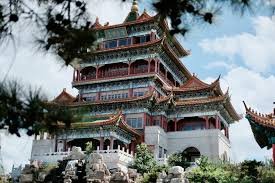
Rising majestically in the center of the complex, Longevity Hill provides sweeping views over Kunming Lake and the palace grounds. Its summit features religious structures, including the iconic Tower of Buddhist Incense, which dominates the skyline.
The Long Corridor
Stretching for 728 meters, the Long Corridor is one of the palace’s most distinctive features. Each section of the corridor is adorned with vivid paintings, totaling over 14,000 depictions of myths, folklore, landscapes, and historical scenes. It is both a shelter for strolling visitors and a gallery of Chinese artistry.
The Marble Boat
Situated on the edge of Kunming Lake, the Marble Boat is a symbol of the Qing Dynasty’s opulence. Built from stone, it is a stationary vessel decorated with intricate designs and remains a favorite photo spot for visitors.
The Tower of Buddhist Incense
Standing at the top of Longevity Hill, this striking pagoda-style structure is perhaps the most recognizable building in the Summer Palace. It was once used by emperors for Buddhist ceremonies and offers commanding views of the entire area.
Activities to Enjoy at the Summer Palace
Walk Along the Long Corridor
Strolling through the Long Corridor allows visitors to admire its thousands of detailed paintings while enjoying shaded views of the gardens and lake.
Take a Boat Ride on Kunming Lake
Gliding across Kunming Lake in a traditional boat is one of the best ways to appreciate the scale and beauty of the Summer Palace.
Climb Longevity Hill
For those who enjoy a bit of adventure, climbing Longevity Hill provides rewarding views and leads to historic landmarks like the Tower of Buddhist Incense.
Visit Buddhist Temples
The palace grounds are home to sacred temples where visitors can experience peace and spiritual reflection amid ornate architecture.
Photograph the Marble Boat
The Marble Boat’s unique design makes it a popular backdrop for photographs, capturing both imperial extravagance and lakeside tranquility.
Explore Suzhou Street
Suzhou Street replicates the canals of Suzhou, a famous water town in southern China. Visitors can stroll along the waterways, shop for souvenirs, and enjoy the lively atmosphere.
Discover the Hall of Benevolence and Longevity
This hall once served as Empress Dowager Cixi’s audience chamber for hosting important guests. It is a fine example of Qing-style architecture and ceremonial space.
Admire the Artwork of the Long Corridor
Each section of the Long Corridor features paintings that tell different stories, offering hours of discovery for art and history enthusiasts.
Sip Tea in the Pavilion of the Fragrance of Buddha
The pavilion provides a quiet retreat where visitors can relax with traditional Chinese tea while admiring the serene surroundings.
Wander Through Smaller Gardens and Pavilions
Scattered throughout the palace grounds are smaller gardens and pavilions, each with its own unique charm, perfect for peaceful exploration.
Location and How to Get There
The Summer Palace is located in the Haidian District, approximately 15 kilometers from central Beijing.
By Subway
Take Line 4 and exit at Beigongmen Station (North Palace Gate), which is just a short walk from the entrance.
By Bus
Several bus routes, including numbers 303, 331, 332, and 726, stop near the palace gates, making it accessible by public transportation.
By Taxi
Taxis are a convenient option for groups or travelers with luggage. To avoid confusion, it’s best to carry the destination’s Chinese address to show the driver.
Tour Options for Visiting the Summer Palace
Summer Palace and Temple of Heaven Private Tour
This tour combines visits to both the Summer Palace and the Temple of Heaven, complete with a private guide who provides in-depth historical and cultural insights.
Beijing Private Tour: Multiple Iconic Sites
For a more comprehensive experience, visitors can join a private tour covering the Summer Palace, the Forbidden City, Tiananmen Square, and the Temple of Heaven. These tours offer flexibility and a personalized itinerary.
Practical Tips for Visiting the Summer Palace
- Arrive Early: Weekends and holidays can be very crowded, so mornings are the best time to visit.
- Dress Comfortably: The grounds are extensive, so wear comfortable shoes and clothing.
- Stay Hydrated: Beijing summers can be hot, making water essential during your visit.
- Use a Guide or Audio Tour: To enrich your experience, consider hiring a guide or renting an audio device.
- Check the Weather: Since most activities are outdoors, avoid visiting during heavy rain for the best experience.
Conclusion
The Summer Palace in Beijing is more than just a royal retreat—it is a living testament to China’s rich cultural heritage. With its sweeping lake, towering hills, and elegant structures, it perfectly captures the harmony between nature and architecture. Visitors can immerse themselves in history, admire artistic treasures, and find moments of tranquility within its gardens. Whether you’re exploring pavilions, gliding across Kunming Lake, or climbing Longevity Hill, the Summer Palace promises an unforgettable journey into the heart of imperial China.