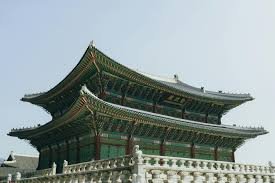
If you are planning a trip to Seoul, Gyeongbokgung Palace should undoubtedly be on your itinerary. This majestic palace does not merely showcase the charm of Korea’s traditional architecture, but it also preserves centuries of history that captivate every visitor. Walking through its grounds feels like stepping back into the era of the Joseon Dynasty.
As one of South Korea’s most iconic landmarks, Gyeongbokgung draws large numbers of tourists from both within the country and abroad. From witnessing the grand guard-changing ceremony to discovering filming spots reminiscent of Korean dramas, the palace offers a wide range of experiences. To help you make the most out of your visit, this guide provides detailed insights covering location, entrance, activities, tips, and must-visit photo spots.
Location and How to Get There
Address and Accessibility
Gyeongbokgung Palace is situated at 161 Sajik-ro, Jongno-gu, Seoul, South Korea. Its central location makes it easily accessible from different parts of the city. The most convenient way to reach the palace is by subway. Travelers can take Line 3 and exit at Gyeongbokgung Station, specifically Exit 5, which leads directly to the main entrance of the palace.
For those who enjoy exploring the city on foot, the palace is also within walking distance from Gwanghwamun Square. Another option is to take the city tour bus, which conveniently stops right in front of the palace gates. This option is especially useful if you wish to explore multiple iconic attractions in a single day.
Operating Hours and Admission Fees
Visiting Hours
The palace welcomes visitors every day except on Tuesdays. Opening hours are from 9:00 AM to 6:00 PM local time. Early mornings are highly recommended for a visit, as the weather is cooler and the crowds are lighter. Additionally, spring and autumn are considered the best seasons to explore Gyeongbokgung, thanks to the breathtaking cherry blossoms or golden autumn foliage that enhance the palace’s surroundings.
Ticket Information
Entrance fees are relatively affordable, making it an accessible cultural destination for all. Adult tickets are priced at 3,000 won, while children can enter for 1,500 won. Travelers who wish to see more royal sites can purchase a combination pass, which includes entry to other palaces such as Changdeokgung and Changgyeonggung.
A special tip: visitors wearing traditional Korean attire, or hanbok, can enter the palace free of charge. Besides saving money, dressing in hanbok creates memorable photo opportunities, allowing you to blend seamlessly with the historical backdrop.
Things to Do at Gyeongbokgung Palace
Witness the Guard-Changing Ceremony
One of the highlights of visiting Gyeongbokgung is the traditional guard-changing ceremony, held at the main Gwanghwamun Gate. The ceremony, which occurs twice daily, features performers in vibrant, traditional uniforms, complete with drums, gongs, and colorful banners. It is not only visually striking but also deeply symbolic, offering visitors a glimpse into Korea’s rich heritage.
Experience Wearing Hanbok
Renting and wearing hanbok is another must-try activity. Strolling through the palace grounds in traditional attire allows you to experience the atmosphere of Korea’s past firsthand. Moreover, it provides a unique opportunity to take stunning photographs against the palace’s picturesque backdrop.
Explore the Museums Within the Complex
Within the Gyeongbokgung complex, visitors will also find the National Palace Museum of Korea and the National Folk Museum of Korea. These institutions house a wealth of artifacts, offering deeper insight into Korea’s royal traditions, cultural practices, and daily life throughout history. Visiting the museums is perfect for those seeking a blend of leisure and learning.
Tips for an Enhanced Visit
What to Prepare
Since the palace grounds are extensive, comfortable footwear is highly recommended. Carrying a water bottle will help you stay hydrated, particularly during summer months when temperatures can soar. Don’t forget to fully charge your camera or smartphone beforehand, as there are countless photo-worthy moments throughout the site.
Best Times for Photography
If your goal is to capture the beauty of the palace without large crowds in the background, consider arriving just before opening hours or later in the afternoon. Another smart tip is to check the palace’s official schedule for special events or seasonal festivals that may add extra charm to your visit.
Best Photo Spots at Gyeongbokgung Palace
Gwanghwamun Gate and Beyond
The grand Gwanghwamun Gate is a favorite photo location, framed by the majestic Bugaksan Mountain in the distance. This iconic setting perfectly encapsulates the blend of natural and architectural beauty.
Iconic Red Pillar Corridors
Inside the palace, the long corridors lined with red wooden pillars provide a dramatic backdrop. These corridors often appear in historical Korean dramas, making them an irresistible spot for visitors who want cinematic-style photographs.
Gyeonghoeru Pavilion and Gardens
Do not miss the Gyeonghoeru Pavilion, located beside a serene pond. During spring and autumn, the surrounding blossoms and colorful leaves enhance the pavilion’s elegance. The reflection of the building on the water creates enchanting photo compositions. For those dressed in hanbok, every angle around the pavilion feels like stepping into a scene from a storybook.
Conclusion
Gyeongbokgung Palace is far more than just another tourist attraction in South Korea—it is a destination where history, culture, and beauty intertwine. From the immersive guard-changing ceremony to the educational museums and breathtaking photography spots, every corner of the palace offers something unique.
Whether you are exploring Seoul for the first time or returning for another trip, Gyeongbokgung promises a meaningful experience that blends the splendor of Korea’s past with the vibrancy of its present. With thoughtful planning, comfortable preparation, and a touch of curiosity, your journey through this grand palace will be both memorable and inspiring.