Standing proudly at 3,765 meters above sea level, Mount Fuji holds the title of Japan’s highest peak and serves as an enduring symbol of the country. Its nearly symmetrical cone makes it one of the most photographed and admired volcanoes in the world. Located between Shizuoka and Yamanashi prefectures, and only about two hours from Tokyo, a trip to Mount Fuji is considered a must for anyone visiting Japan’s capital.
Recognized as one of Japan’s “Three Sacred Mountains” alongside Mount Tate and Mount Haku, Fuji is not only a natural wonder but also a spiritual landmark. Whether you wish to admire it from afar, explore the foothills, or attempt a climb to its summit, Mount Fuji offers a wide range of experiences. This guide will provide insights into the best seasons to visit, how to get there, where to find the most stunning viewpoints, and activities you can enjoy around the iconic peak.
Best Time to Visit Mount Fuji
To enjoy Fuji in its full splendor, a clear, sunny day is essential. The mountain often hides behind clouds, so a good dose of luck—along with monitoring weather forecasts—is necessary.
- Winter, Spring, and Autumn generally offer the clearest skies, with cooler temperatures reducing cloud cover.
- Late April to May is an especially enchanting period due to the Fuji Shibazakura Festival. During this event, carpets of pink moss phlox bloom near Lake Motosuko, creating a breathtaking contrast with Fuji’s snow-capped peak.
Capturing this sight on a bright day guarantees photographs that look like they belong on postcards.
How to Reach Mount Fuji
Joining a One-Day Tour from Tokyo
One of the most convenient ways to explore the Fuji area is by joining a guided day tour. With transport and itineraries arranged, you can sit back and enjoy the ride.
- Group Tours (Open Trips): Travelers meet at a designated point and travel by bus with other tourists, accompanied by a guide.
- Private Tours: These offer hotel pick-ups and often allow customization of your itinerary, making them more flexible and comfortable.
Traveling by Train
There are two primary options for reaching Fuji by train:
Regular Train Route
- Take the JR Chuo Line from Shinjuku Station to Otsuki Station.
- Transfer to the Fujikyu Railway Line and continue to Kawaguchiko Station.
- A nationwide JR Pass covers the journey only up to Otsuki. The Fujikyu Railway section requires a separate ticket (around 1,170 yen).
- Alternatively, the JR Tokyo Wide Pass covers the full trip to Kawaguchiko, except for premium seating on limited express trains.
Fuji Excursion Express
This limited express train travels directly from Shinjuku to Kawaguchiko without transfers. Departures are limited—three trains each morning from Tokyo and three returns in the afternoon—so planning ahead is crucial.
Can You Climb Mount Fuji?
For adventure seekers, climbing Mount Fuji is absolutely possible. Roughly 300,000 hikers make the ascent each year, but there are a few points to keep in mind:
- Climbing Season: Official trails are open only from early July to mid-September. Outside this period, conditions are unsafe.
- Trails: The most popular is the Yoshida Trail, starting from Fuji Subaru Line 5th Station and passing through several checkpoints before the summit.
- Duration: Expect a 5–8 hour climb, depending on the trail and pace.
- Accommodation: Tents are prohibited, but mountain huts are available at different stations. Early booking is advised, especially for those hoping to see the sunrise from the summit.
- Essentials: Carry cash for conservation donations, toilets, and small purchases, as digital payments are not accepted on the mountain.
Best Scenic Spots to View Mount Fuji
Fuji Five Lakes Region
The northern foothills of Mount Fuji are home to five lakes, collectively called Fuji Goko, each offering unique perspectives of the mountain.
- Lake Kawaguchi (Kawaguchiko): The most accessible and famous spot, especially for reflections of Fuji on the water’s surface.
- Lake Yamanaka (Yamanakako): The largest of the five, best enjoyed by cycling along the northern shore.
- Lake Shoji (Shojiko): The smallest, yet ideal for sunset photography and hikes to Panorama Dai viewpoint.
- Lake Motosu (Motosuko): Known as the viewpoint featured on Japan’s 1,000 yen bill, though it requires more effort to access.
- Lake Sai (Saiko): Often less crowded, home to the cultural village of Saiko Iyashi-no-Sato Nenba.
Cultural and Natural Attractions
- Saiko Iyashi-no-Sato Nenba: A reconstructed traditional village with museums, workshops, and direct views of Fuji framed by thatched rooftops.
- Oshino Hakkai: A collection of eight crystal-clear ponds formed from Fuji’s melted snow, offering picturesque reflections of the peak.
Elevated Viewpoints
- Mount Fuji 5th Station: At 2,300 meters, it provides close-up views of Fuji without climbing the summit.
- Mt Fuji Panorama Ropeway (Kachi Kachi Ropeway): A quick ascent near Lake Kawaguchiko that leads to observation decks and hiking trails with sweeping views.
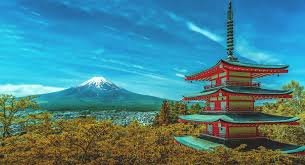
- Chureito Pagoda: Perhaps the second most iconic Fuji shot after the lakes, especially during spring when cherry blossoms frame the five-story pagoda with Fuji in the background.
Other Unique Experiences
- Fuji-Q Highland: A thrilling amusement park where roller coasters and Fuji views combine for a one-of-a-kind experience.
- Lake Ashi (Ashinoko) in Hakone: Famous for views of Fuji alongside the red torii gate of Hakone Shrine, often seen from sightseeing boats.
Activities Around Mount Fuji
Seasonal Festivals
- Shibazakura Festival: Fields of pink moss blooming near Lake Motosu create a surreal springtime landscape.
- Autumn Foliage Viewing: The area around Fuji offers striking autumn colors, making for spectacular photo opportunities.
Outdoor Adventures
- Cycling: Rent a bike and circle Lake Yamanaka or Kawaguchiko.
- Hiking: Trails around Fuji’s base provide easier alternatives to the summit climb, often with equally rewarding views.
- Onsen Hot Springs: Relaxing in a traditional hot spring with Mount Fuji in the distance is a quintessential Japanese experience.
Conclusion
Mount Fuji is more than a mountain—it is a cultural icon, a spiritual site, and a natural wonder that captures the hearts of travelers worldwide. Whether you wish to marvel at its beauty from the tranquil lakes, ride a ropeway for panoramic views, or embark on the challenge of climbing to the summit, Fuji offers countless ways to create unforgettable memories.
With accessible transportation from Tokyo, diverse attractions, and seasonal highlights throughout the year, visiting Mount Fuji should be on every traveler’s itinerary. By planning carefully—choosing the right season, travel method, and viewpoints—you’ll discover why this majestic peak continues to inspire awe and admiration, standing tall as Japan’s most beloved landmark.