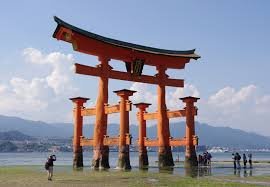
Among Japan’s many spiritual and cultural landmarks, few are as striking and iconic as the Great Torii of Miyajima. Standing proudly in the sea off the coast of Miyajima Island, this massive gate is not only a sacred entrance to Itsukushima Shrine but also a worldwide symbol of Japanese heritage. Alongside Hiroshima Peace Memorial, it has become one of the most recognizable attractions of Hiroshima Prefecture, drawing countless visitors eager to experience its mystical presence.
Unlike other Japanese structures, the Torii does not have a direct translation in Indonesian or English. It is deeply rooted in Shinto belief, marking the boundary between the human world and the spiritual realm. According to tradition, deities pass through the center of the Torii to enter a shrine, while visitors are encouraged to walk along the sides as a sign of respect. This concept adds to the spiritual aura surrounding the Great Torii, making it more than just a sightseeing spot—it is a passage into Japan’s cultural soul.
Visiting the Great Torii of Miyajima
A Short Walk from the Port
The Great Torii is easily accessible, located about a 12-minute walk from Miyajima Port. Along the way, visitors encounter charming souvenir shops, local restaurants, and smaller shrines that add to the island’s spiritual atmosphere. Wild deer freely roam the area, often amusing guests by attempting to snatch snacks from their hands.
Upon reaching Itsukushima Shrine, the magnificent view of the Great Torii awaits. Rising from the sea as though it floats on water, the structure creates a scene that feels almost magical. For those seeking a closer encounter, kayaks are available to rent for around 800 yen, allowing adventurers to paddle directly near the Torii. However, non-Japanese speakers may find it challenging to understand the guides, so the kayaking experience is optional.
Impressive Design and Structure
Despite its appearance of floating, the Great Torii is firmly grounded. It is not anchored by deep foundations but rather held in place by its immense weight. The gate stands 16 meters tall and weighs about 60 tons, perfectly balanced to withstand the sea’s tides. This remarkable feat of engineering demonstrates the harmony of strength, precision, and spirituality in Japanese craftsmanship.
Best Time to Visit
Timing is essential for those who wish to walk up close to the Torii. During low tide, usually in the morning before 9 a.m., visitors can approach the gate on foot. This requires an early start from Hiroshima, with trains departing as early as 6 a.m. Alternatively, staying overnight on Miyajima Island offers a more relaxed opportunity to enjoy the sight of the Torii at low tide and even catch the sunrise casting golden hues across the water.
Beyond the Torii: Other Attractions on Miyajima
Daishoin Temple: The Sacred Sanctuary
Not far from the Great Torii lies Daishoin Temple, one of Miyajima’s most revered Buddhist temples. Nestled at the base of Mount Misen, the temple complex houses numerous Buddha statues, intricate halls, and spiritual pathways. The atmosphere here is serene, allowing visitors to reflect while appreciating the artistry of Japanese temple architecture.
Hiking or Taking the Ropeway to Mount Misen
For adventurous travelers, Mount Misen offers an unforgettable experience. Accessible by a two-hour hiking trail from Daishoin Temple or by the Miyajima Ropeway, the mountain is the island’s highest peak and is considered sacred by locals. From its summit, panoramic views stretch across the Seto Inland Sea, the Great Torii, and even the mainland of Hiroshima. Whether you hike or take the ropeway, the journey to Mount Misen is both scenic and spiritual.
Strolling Through Omotesando Street
After exploring shrines and mountains, a visit to Omotesando Street provides a glimpse into Miyajima’s local life. As the island’s main shopping street, it is lined with souvenir stalls, traditional sweet shops, cozy cafés, and ice cream vendors. Visitors can sample regional specialties, purchase handcrafted goods, or simply enjoy the lively yet warm atmosphere of this bustling street.
How to Get to Miyajima
By Train and Tram
Reaching Miyajima from Hiroshima is convenient. Travelers can take the JR Sanyo Line from Hiroshima Station to Miyajimaguchi Station in about 25 minutes for 400 yen. A more budget-friendly option is the Hiroden Tram, which takes around 70 minutes at a cost of 270 yen.
By Ferry
From Miyajimaguchi Station, ferries depart regularly for Miyajima Island. The ride takes about 10 minutes and costs 170 yen. Both JR and Matsudai ferries are available, and the short journey across the Seto Inland Sea offers stunning views of the Great Torii rising from the waves, as well as the surrounding shrines. Feeling the sea breeze while approaching Miyajima sets the perfect mood for exploring this sacred island.
Cultural and Spiritual Significance of the Torii
The Symbolic Gateway
In Shinto tradition, the Torii represents a transition into a sacred space. The Great Torii of Miyajima, however, magnifies this symbolism due to its unique placement in the sea. At high tide, it appears to float, emphasizing the divine boundary between the human and spiritual worlds. At low tide, visitors can walk beneath it, symbolizing their connection with the sacred.
A Timeless Icon of Japan
The Torii is not only a spiritual marker but also a cultural treasure that has stood the test of time. Its grandeur and beauty have made it a frequent subject in Japanese art, literature, and photography. For travelers, standing before it is a reminder of Japan’s dedication to preserving its traditions while sharing them with the world.
Conclusion
The Great Torii of Miyajima is more than just a gate—it is a cultural beacon that embodies Japan’s spiritual traditions, architectural mastery, and natural beauty. From walking along the island’s scenic paths, exploring Daishoin Temple, and ascending Mount Misen, to savoring local delicacies along Omotesando Street, Miyajima offers a rich blend of experiences.
Visiting the Great Torii is not simply about sightseeing; it is about stepping into a world where the human and spiritual coexist in harmony. Whether viewed from a distance across the Seto Inland Sea or touched during a morning walk at low tide, the Great Torii remains an unforgettable symbol of Japan’s heritage. For anyone traveling through Hiroshima Prefecture, Miyajima Island—and its magnificent Torii—should not be missed.