A trip to Yogyakarta would not be complete without immersing yourself in its rich cultural heritage, culinary delights, and vibrant markets. Among the many attractions in the city, Pasar Beringharjo stands out as a must-visit destination for anyone wanting to experience the essence of Yogyakarta. From traditional batik textiles to local snacks and unique souvenirs, this historic market offers a blend of history, culture, and modern shopping that draws tourists from across the globe. Before planning a visit, it is worth exploring the history, location, and experiences this market has to offer.
Getting to Know Pasar Beringharjo
Historical Background
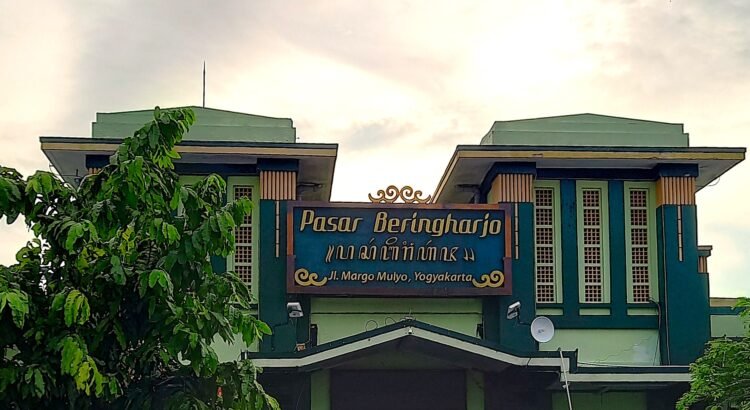
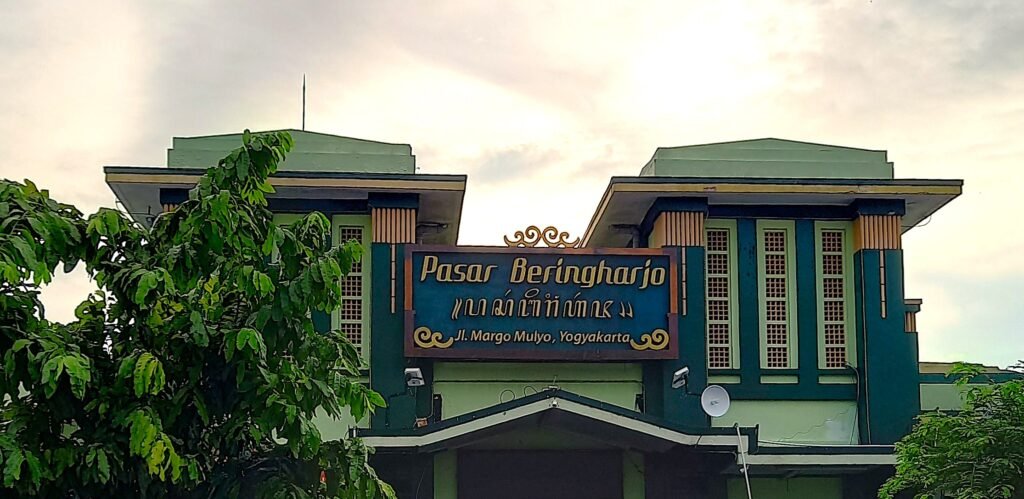
Pasar Beringharjo is the oldest market in Yogyakarta, serving as a witness to the city’s evolving culture, economy, and tourism over centuries. Established in 1758, the area initially functioned as a banyan tree forest where local communities conducted trade. In 1925, the Keraton Yogyakarta commissioned the Nederlansch Indisch Beton Maatschappij (Dutch East Indies Concrete Company) to construct permanent market stalls. Today, visitors can still admire the colonial Dutch architecture that stands proudly amidst the bustling street vendors surrounding the market.
The name “Beringharjo” was bestowed by Sri Sultan Hamengku Buwono VIII, signifying a place that once was a banyan forest (bering) and hoped to bring prosperity (harjo) to the community.
Location and Access
Conveniently located at Jl. Margo Mulyo No.16, Gondomanan, Pasar Beringharjo is near the iconic Malioboro Street and a short distance from Tugu Station. Travelers can reach the market by:
- Walking or taking a short ride (about 1.3 km) from Tugu Station via Malioboro Street using an online ride-hailing service or Trans Jogja bus.
- Driving a private vehicle, with navigation apps like Google Maps providing easy directions.
Its strategic location in the city center makes Pasar Beringharjo highly accessible and a top choice for both locals and tourists.
Attractions of Pasar Beringharjo
A Blend of Tradition and Modernity
Pasar Beringharjo showcases the fusion of Javanese tradition and contemporary trends. Visitors can explore stalls selling traditional batik fabrics, now creatively adapted into modern clothing and accessories. Items such as blangkon, kebaya, baju lurik, and beskap are available in both classic and stylish modern designs.
Food enthusiasts will also find a delightful array of options, from classic local dishes to trendy culinary treats. The market provides a perfect combination of cultural immersion and contemporary shopping experience.
Affordable Shopping Experience
One of the market’s key attractions is its affordable pricing. Travelers can purchase a variety of souvenirs, snacks, and local products without breaking the budget. While premium items are also available, careful browsing allows visitors to find high-quality goods at reasonable prices. Arriving early ensures ample time to explore the numerous stalls and discover hidden treasures.
Cultural Significance of Pasar Beringharjo
Pasar Beringharjo is not merely a shopping destination; it is a living testament to the city’s historical and economic growth. Since its establishment in 1758, it has been an integral part of Catur Tunggal, the four pillars of Yogyakarta consisting of the Keraton, Alun-Alun, and the market itself, which collectively represent the city’s social, cultural, and economic life. The market has undergone various renovations, symbolizing the stages of human economic development. Its name reflects the philosophy of prosperity, rooted in the banyan tree, a traditional symbol of shelter and continuity.
What to See and Do in Pasar Beringharjo
Shopping and Window Browsing
Visitors can spend hours exploring the market’s diverse offerings, from batik dresses and blangkon to woven bags, homeware, and traditional herbal products. Haggling is part of the experience, so prepare some cash and your best bargaining skills. The market offers both traditional and contemporary items, ensuring something for everyone.
Sampling Local Cuisine
Pasar Beringharjo is also a culinary destination, with a wide range of local delicacies available. From pecel, sate jando, sate koyor, mangut lele, leker, dawet ayu, siomay, to bakpia, the market offers a flavorful journey through Javanese cuisine. Street vendors and food stalls are located throughout the market, providing authentic tastes for visitors to savor.
Photography and Cultural Observation
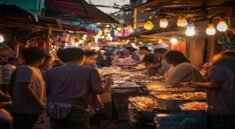
For photography enthusiasts, Pasar Beringharjo offers vibrant scenes of daily life, colorful merchandise, and lively interactions between locals and tourists. It is a perfect location for street photography and capturing cultural moments, reflecting the essence of Yogyakarta’s dynamic urban life.
Market Layout and Shopping Highlights
- Front and Back Western Sections: Traditional snacks and market foods.
- Northern Front Area: Brem, a traditional sweet made from palm sugar and sesame seeds.
- Southern Section: Popular items such as bakpia, hong kwe, and nagasari.
- Rear Section: Toys and traditional musical instruments, including ting-ting.
- Batik and Traditional Textiles: Batik fabric is located in the northwestern market stalls, while ready-made batik clothing is available throughout the western sections.
- Second Floor Eastern Section: Herbs and traditional medicinal ingredients such as ginger, turmeric, and temulawak, ideal for preparing traditional drinks at home.
Facilities and Services
Pasar Beringharjo is well-equipped for visitors with facilities including:
- Public restrooms
- Musala (prayer room)
- Parking areas
- Trash bins
- Security personnel and information officers
These amenities ensure a comfortable and convenient experience for shoppers and tourists.
Conclusion
A cultural and city tour in Yogyakarta is incomplete without a visit to Pasar Beringharjo. As the city’s oldest market, it is a perfect blend of history, tradition, and modern shopping, providing a unique insight into the local culture. Visitors can enjoy everything from traditional batik and handicrafts to authentic Javanese cuisine, all within a vibrant and historically rich setting. With its central location, diverse offerings, and deep cultural significance, Pasar Beringharjo is a must-visit destination for anyone exploring Yogyakarta’s cultural and city tours. Whether shopping, tasting local flavors, or capturing photographs, this historic market promises an unforgettable experience that highlights the richness of Yogyakarta’s heritage.